
 Australia
  Brazil
  Canada
  Chile
Chile  China
China  Columbia
  Denmark
  Egypt
Egypt  France
  India
India  Indonesia
  Ireland
  Italy
Italy  Malaysia
  New Zealand
  Norway
  Panama
  Peru
Peru  Poland
  Portugal
  Saudi Arabia
  Singapore
  South Korea
  Spain
Spain  Sweden
  Taiwan
  Thailand
  Türkiye
  United Kingdom
  United States
  Vietnam


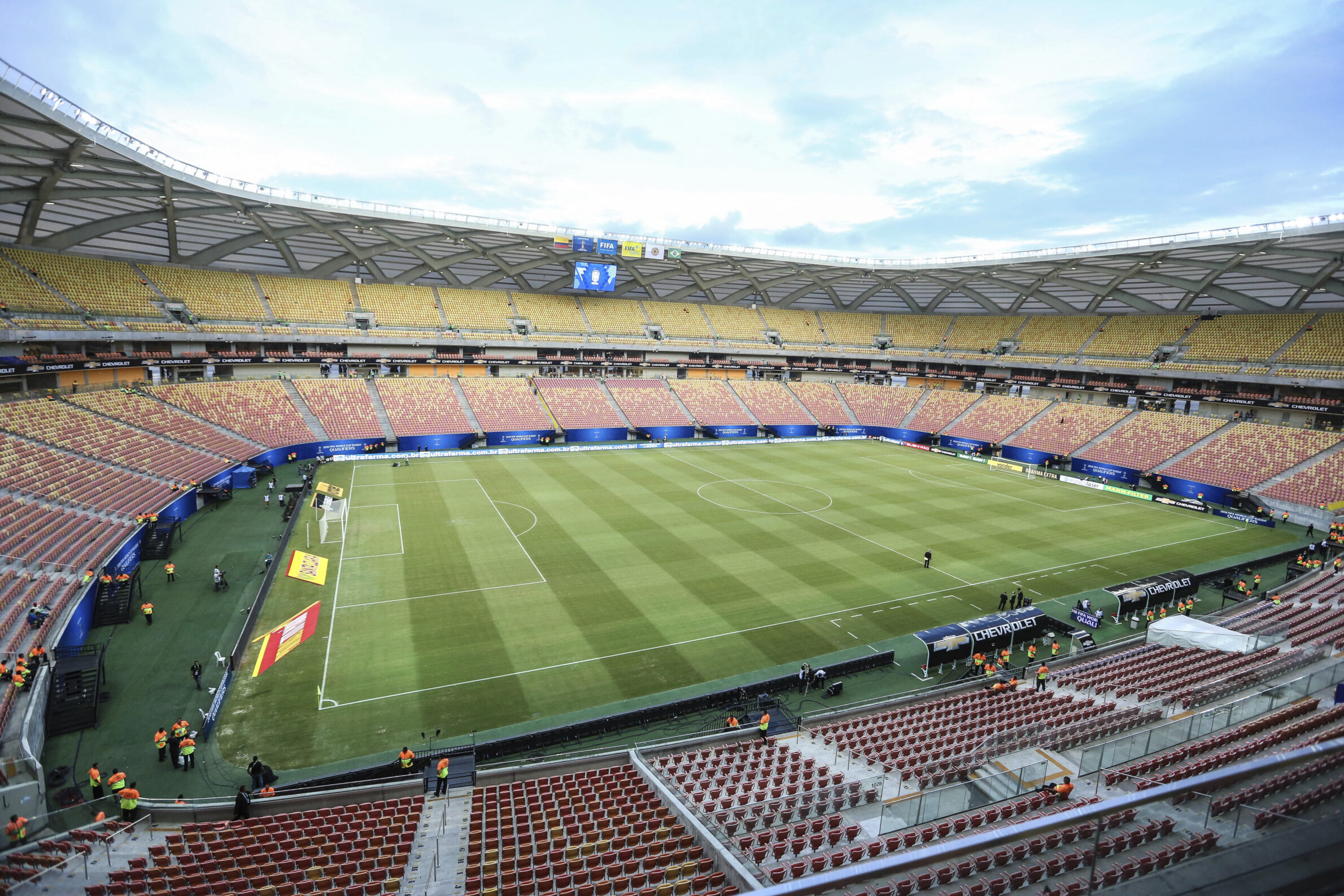
Ahead of the 2014 FIFA World Cup, Manaus, capital of the state of Amazonas, developed a new stadium meeting the technical and operational requirements of an international competition. SYSTRA supervised its construction.
Beyond meeting the technical and operational standards required for a major international event, the project was also intended to support the long-term development of the city and the wider region.
A comprehensive construction supervision assignment
From 2011 to 2014, SYSTRA worked in partnership with Aeroservice Consultoria e Engenharia de Projeto Ltda., mobilising multidisciplinary teams to deliver this major project. The assignment covered the entire construction process, from design review through to on-site inspections and final verification.
The scope included the review and approval of construction design documentation, oversight of additional works, and checks on the consistency and compliance of all technical documents. The teams also monitored productivity and construction performance indicators throughout the works.
A stadium inspired by its surroundings
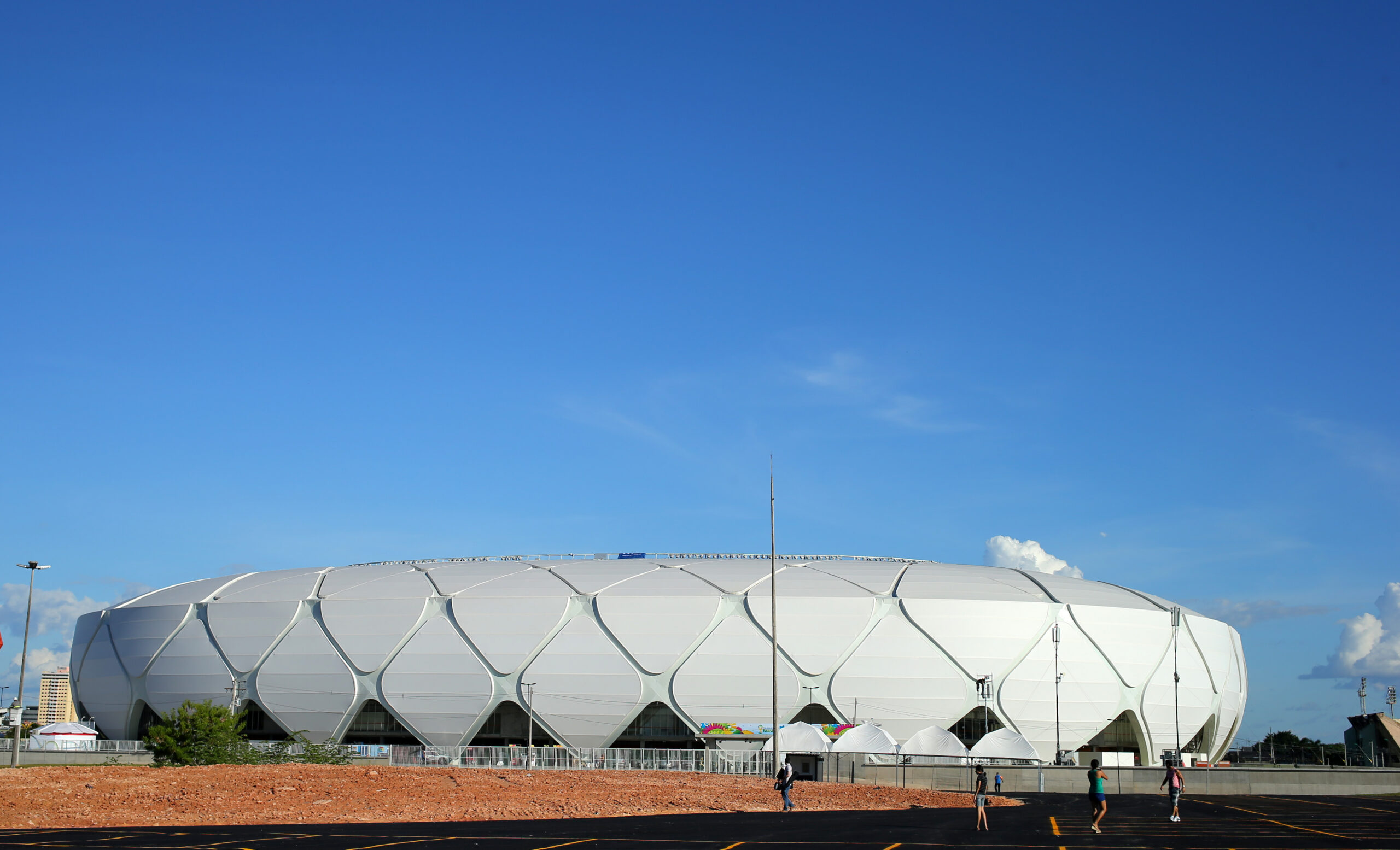
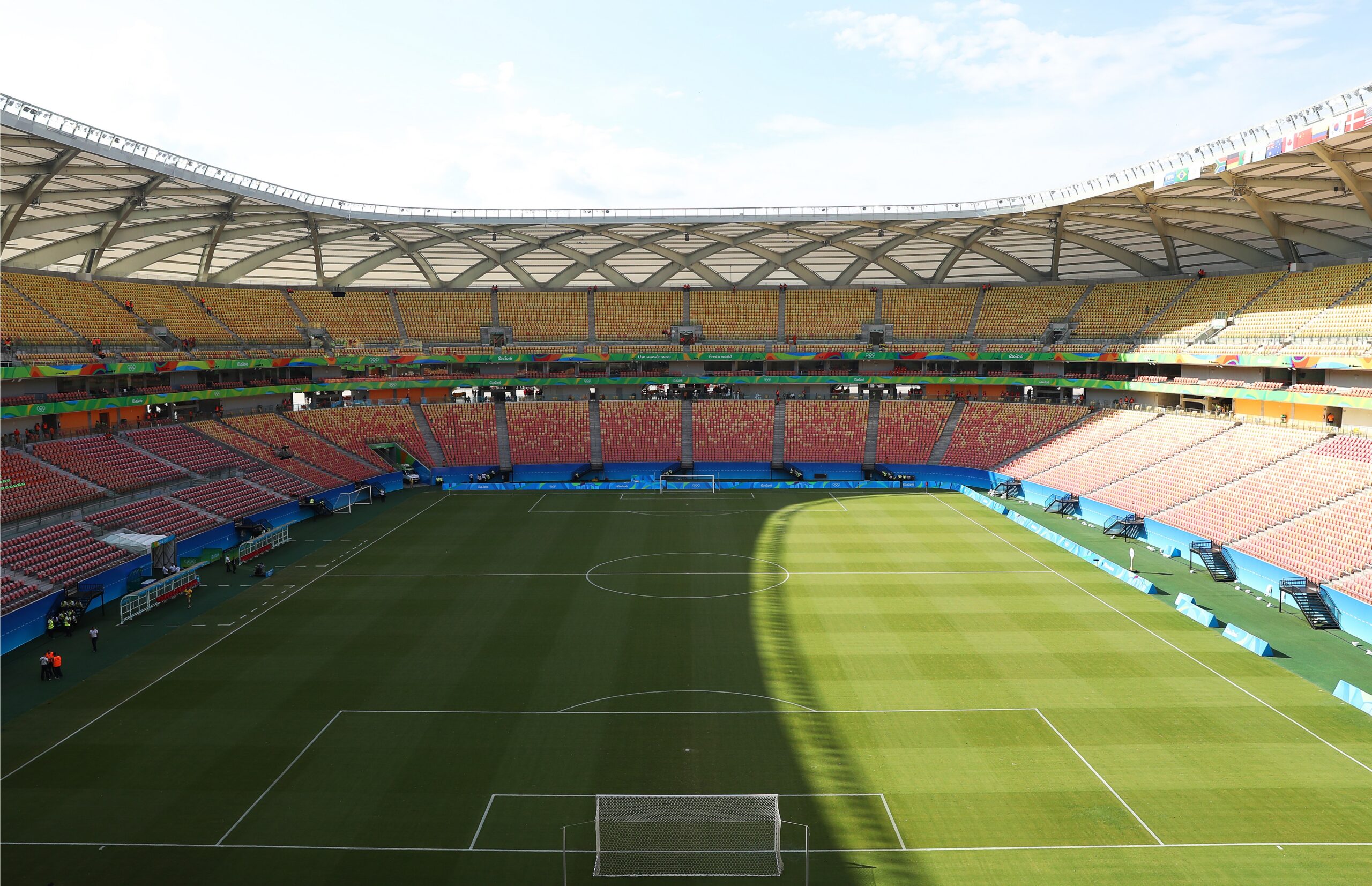
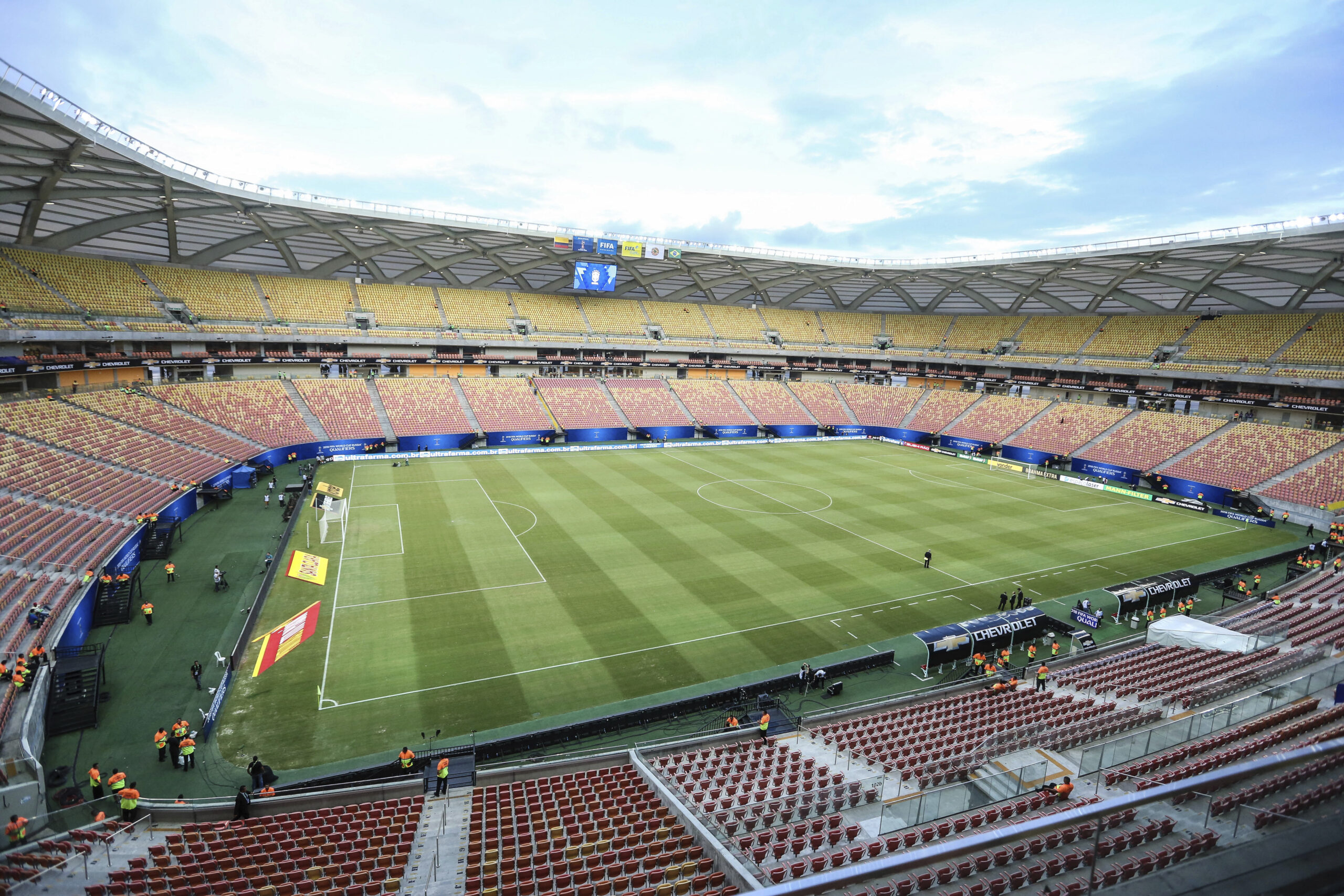
Given its scale, complexity and tight delivery schedule, Arena Amazonia presented major technical challenges. With a total built area of more than 170,000 m², the stadium can accommodate over 43,300 spectators in the stands and almost 1,000 VIP guests in private hospitality suites.
To address Manaus’s extremely hot and humid climate, the stadium was designed to maximise spectator comfort. Its white, reflective outer envelope reduces heat accumulation, while shaded stands and openings in the facade promote natural ventilation.
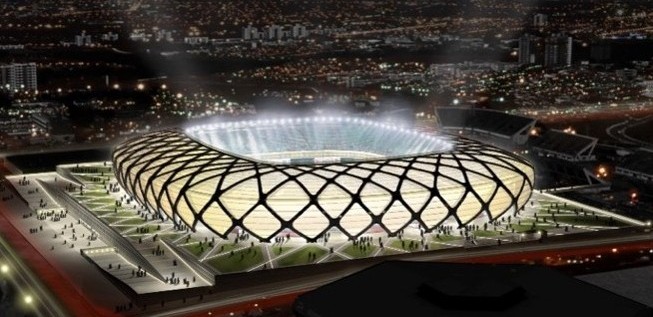
The design and construction of the foundations, superstructure and structural steelwork were central to both the building’s robustness and its architectural identity. The Arena outer design draws inspiration from the surrounding rainforest and the region’s traditional woven baskets.
At the same time, integrating the building’s mechanical, electrical and plumbing (MEP) services — including heating, ventilation and air conditioning (HVAC) — with the building management system (BMS), fire protection, IT, telecommunications and audiovisual systems required close multidisciplinary coordination. Quality control was supported by topographical surveys, inspections and testing throughout construction.
Sustainability embedded at every stage
Sustainability considerations were embedded in the design from the outset, in line with the requirements of the international LEED (Leadership in Energy and Environmental Design) green building certification system. The ambition, however, went beyond certification itself: the aim was to deliver an efficient, high-performing facility that would retain its value beyond the World Cup.
The site has dedicated rainwater harvesting and wastewater treatment systems, reducing pressure on municipal utilities. In addition, 95% of the materials generated by the demolition of the former stadium were recovered and reused.
Arena Amazonia was among the first stadiums in the world to achieve LEED certification from the US Green Building Council.