 Australia
  Brazil
  Canada
  Chile
Chile  China
China  Columbia
  Denmark
  Egypt
Egypt  France
  India
India  Indonesia
  Ireland
  Italy
Italy  Malaysia
  New Zealand
  Norway
  Panama
  Peru
Peru  Poland
  Portugal
  Saudi Arabia
  Singapore
  South Korea
  Spain
Spain  Sweden
  Taiwan
  Thailand
  Türkiye
  United Kingdom
  United States
  Vietnam


Extending asset life while reducing embodied carbon
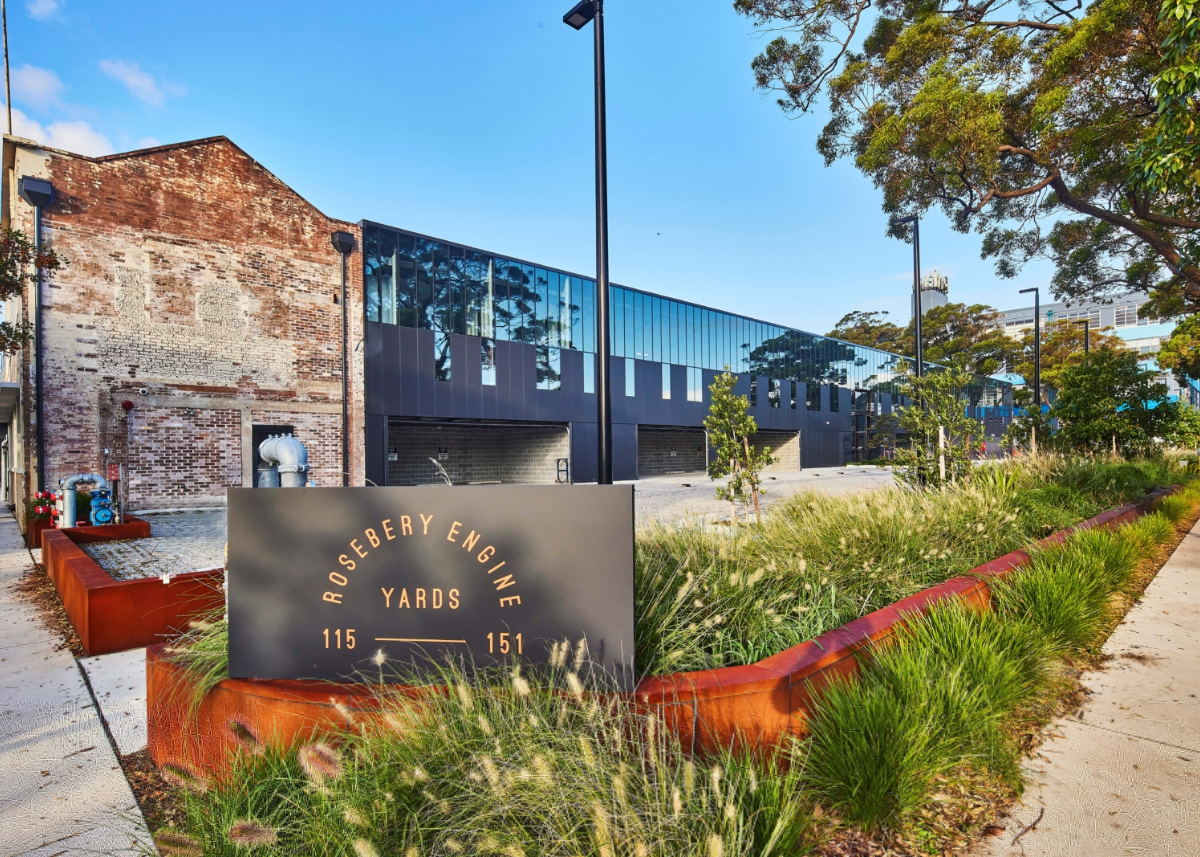
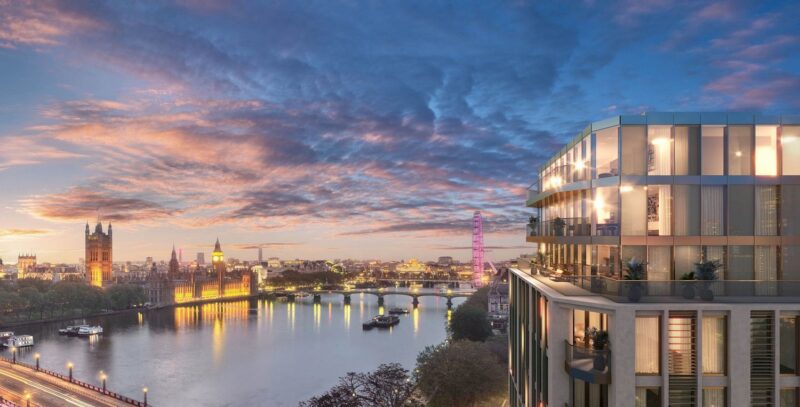
Adaptive re-use has emerged as one of the most effective strategies for reducing embodied carbon while responding to changing demands across the built environment. By repurposing existing assets, owners can deliver future-ready infrastructure while preserving the cultural, economic and environmental value embedded in existing structures.
With the building and construction sector responsible for nearly 40% of global greenhouse gas emissions, adaptive reuse is increasingly central to meeting decarbonisation targets and sustainability commitments.
Across Europe, the UK and Nordic countries, demolition-and-rebuild proposals now require justification where reuse opportunities exist. Similar momentum is building across the Asia-Pacific, as asset owners and governments prioritise lifecycle performance and long-term asset value.
Delivering complex adaptive reuse projects
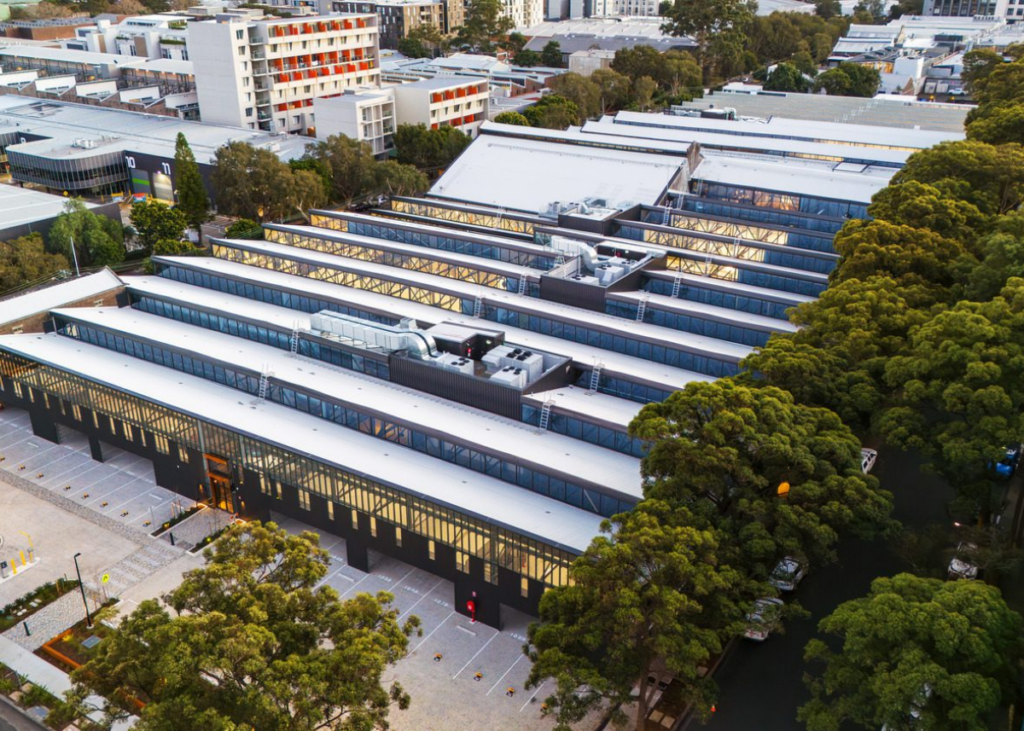
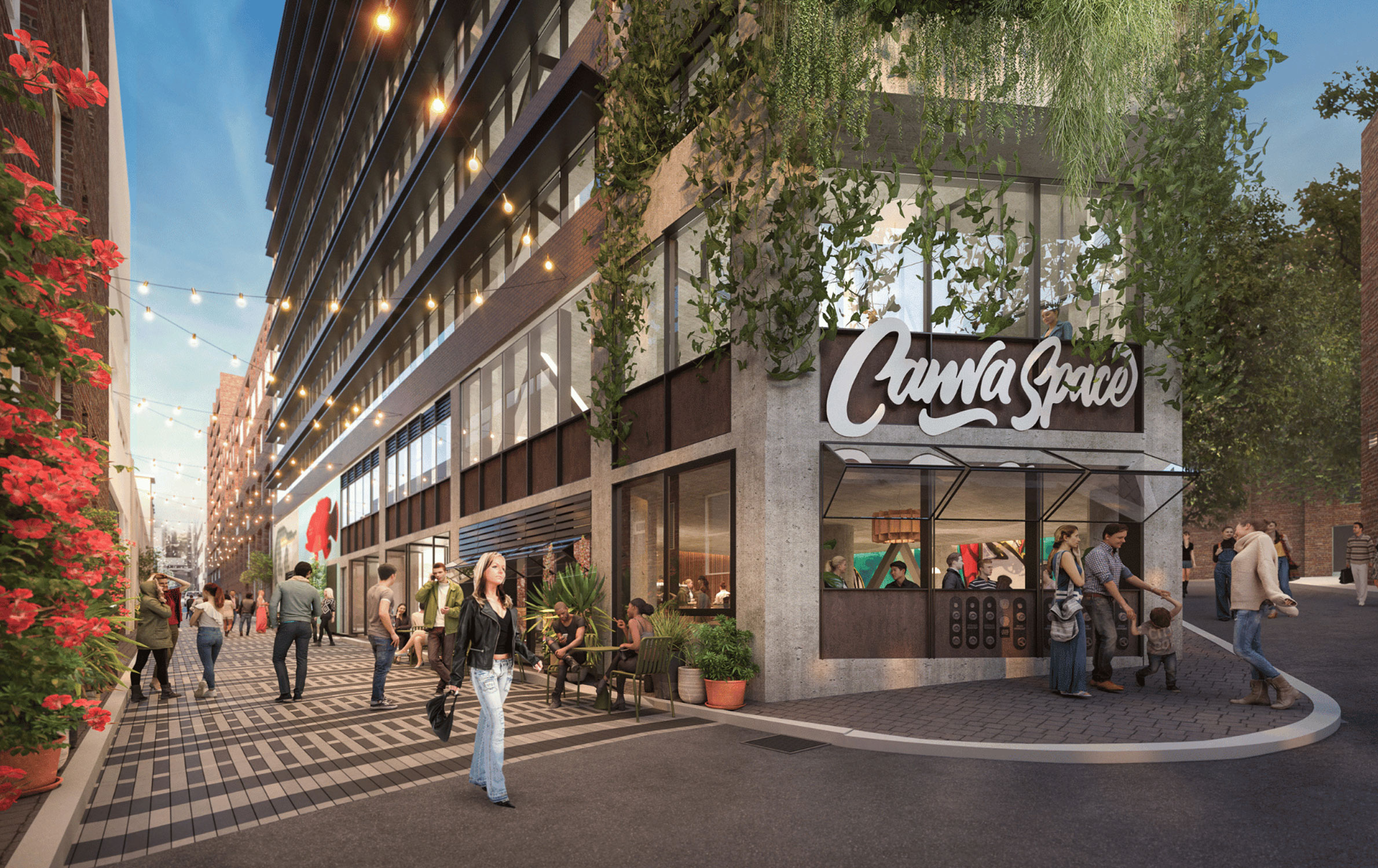
SYSTRA delivers adaptive reuse projects across commercial, residential, cultural, heritage, healthcare and education sectors through close coordination across structural, façade, construction engineering, and materials and durability disciplines. This integrated capability enables detailed assessment of existing assets to deliver designs optimised for buildability, performance and reuse.
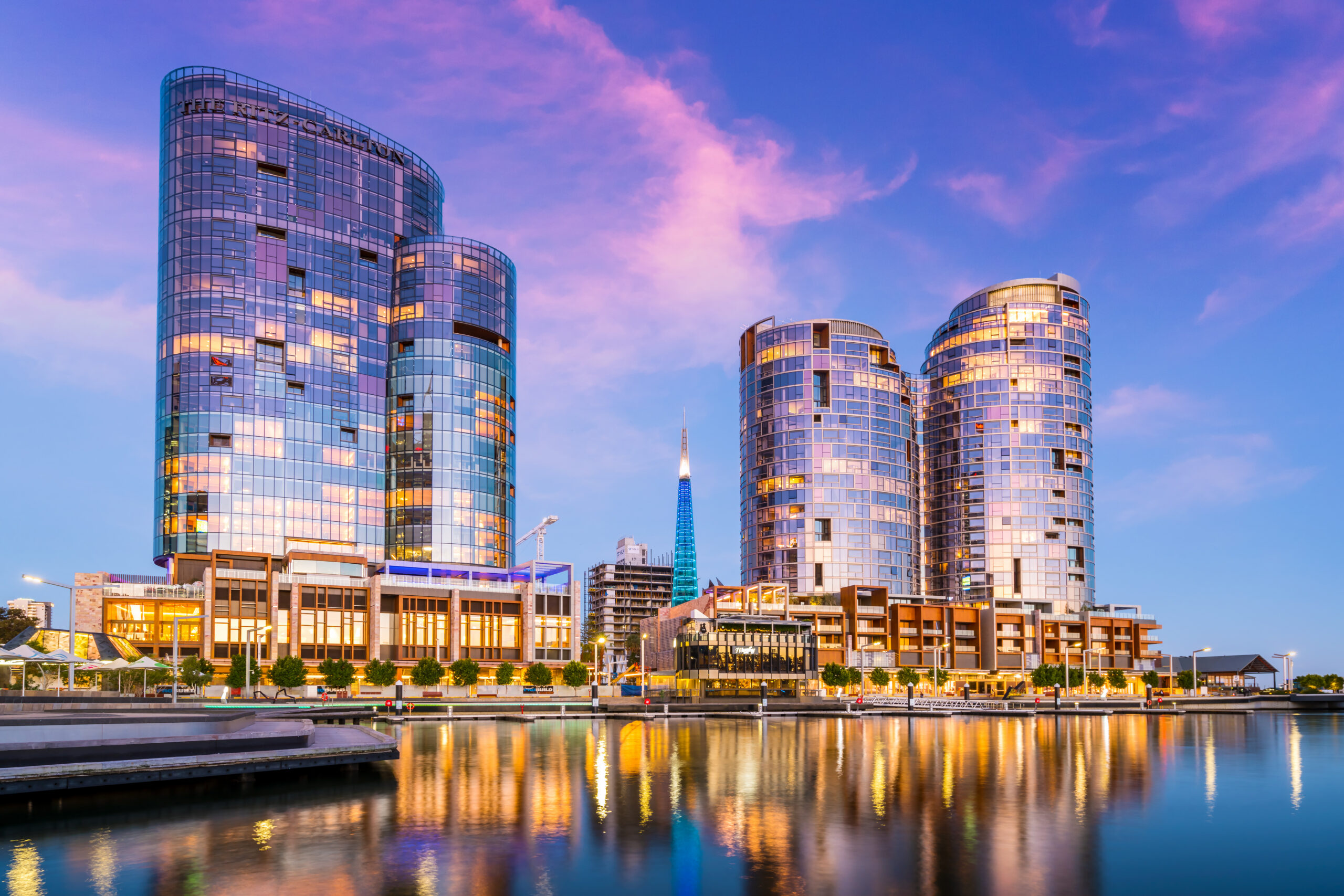
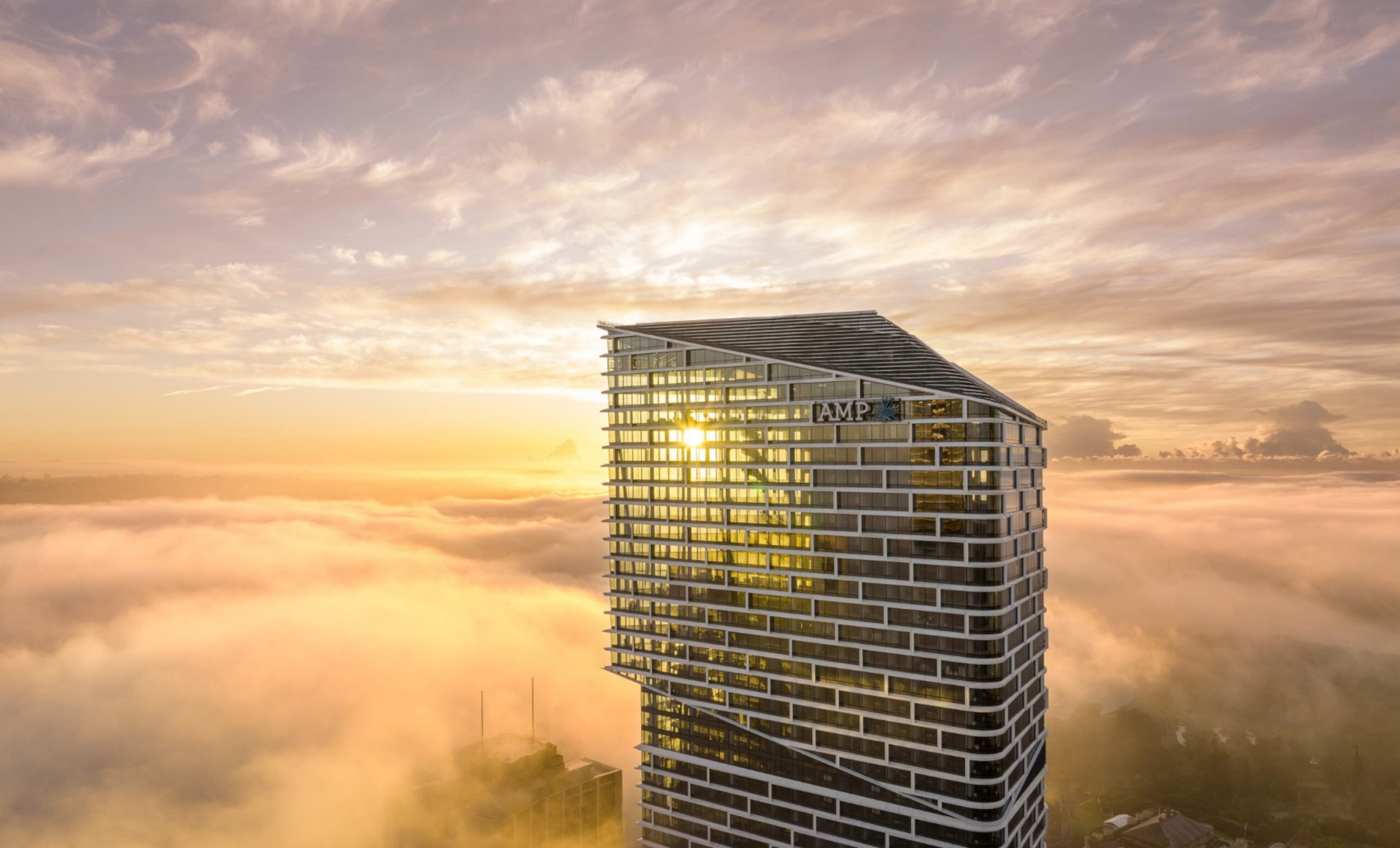
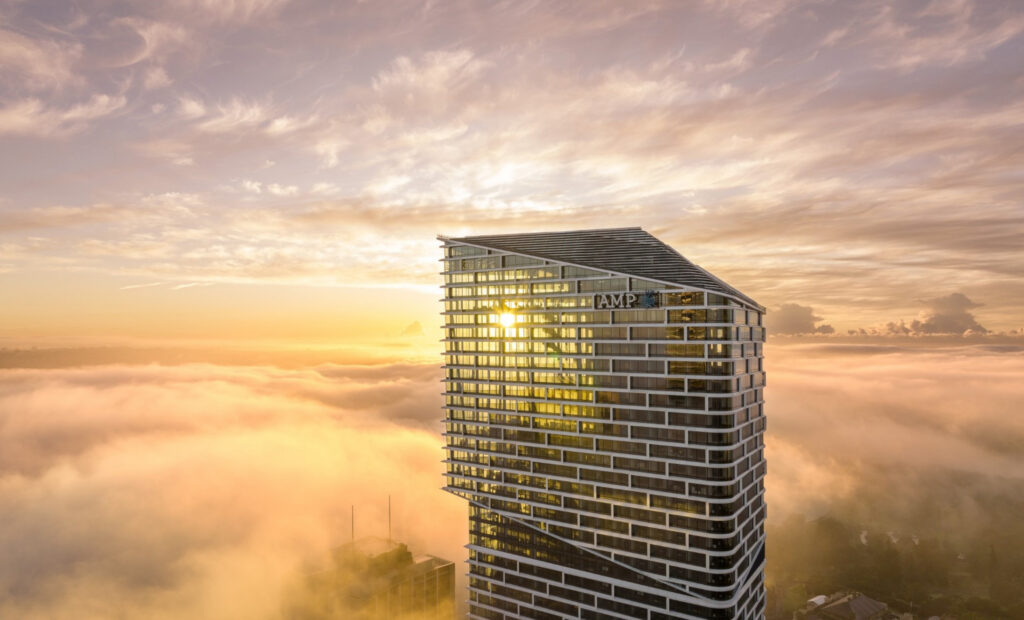
The Quay Quarter Tower in Sydney, Australia, commonly known as the AMP Tower, is a representative example. The 50-year-old, 45-storey building was redeveloped into a high-performance commercial tower. In one of the earliest applications of this construction methodology globally, part of the tower was demolished and rebuilt while the remainder was retained and refurbished simultaneously, preserving approximately two-thirds of the original structure and conserving around 12,000 tonnes of embodied carbon
The project was awarded World Building of the Year at the 2022 World Architecture Festival and the International High-Rise Award 2022/23.
A multidisciplinary international network
BG&E, acquired by SYSTRA in 2025, brings over 50 years of structural engineering experience in the Australian market across all major sectors. This track record strengthens SYSTRA’s international capability in the transformation of existing infrastructure and buildings, combining global infrastructure expertise with deep experience in technically complex and constrained built environments.
Integrated disciplines spanning structural, façade, construction engineering, materials, sustainability and digital engineering enable SYSTRA to manage technical risk and operational constraints – extending asset life while improving performance and sustainability outcomes.