 Brazil
  Canada
  Chile
Chile  China
China  Columbia
  Denmark
  Egypt
Egypt  France
  India
India  Indonesia
  Ireland
  Italy
Italy  Malaysia
  Norway
  New Zealand
  Panama
  Peru
Peru  Poland
  Portugal
  Saudi Arabia
  Singapore
  South Korea
  Spain
Spain  Sweden
  Taiwan
  Thailand
  Türkiye
  United Kingdom
  United States
  Vietnam


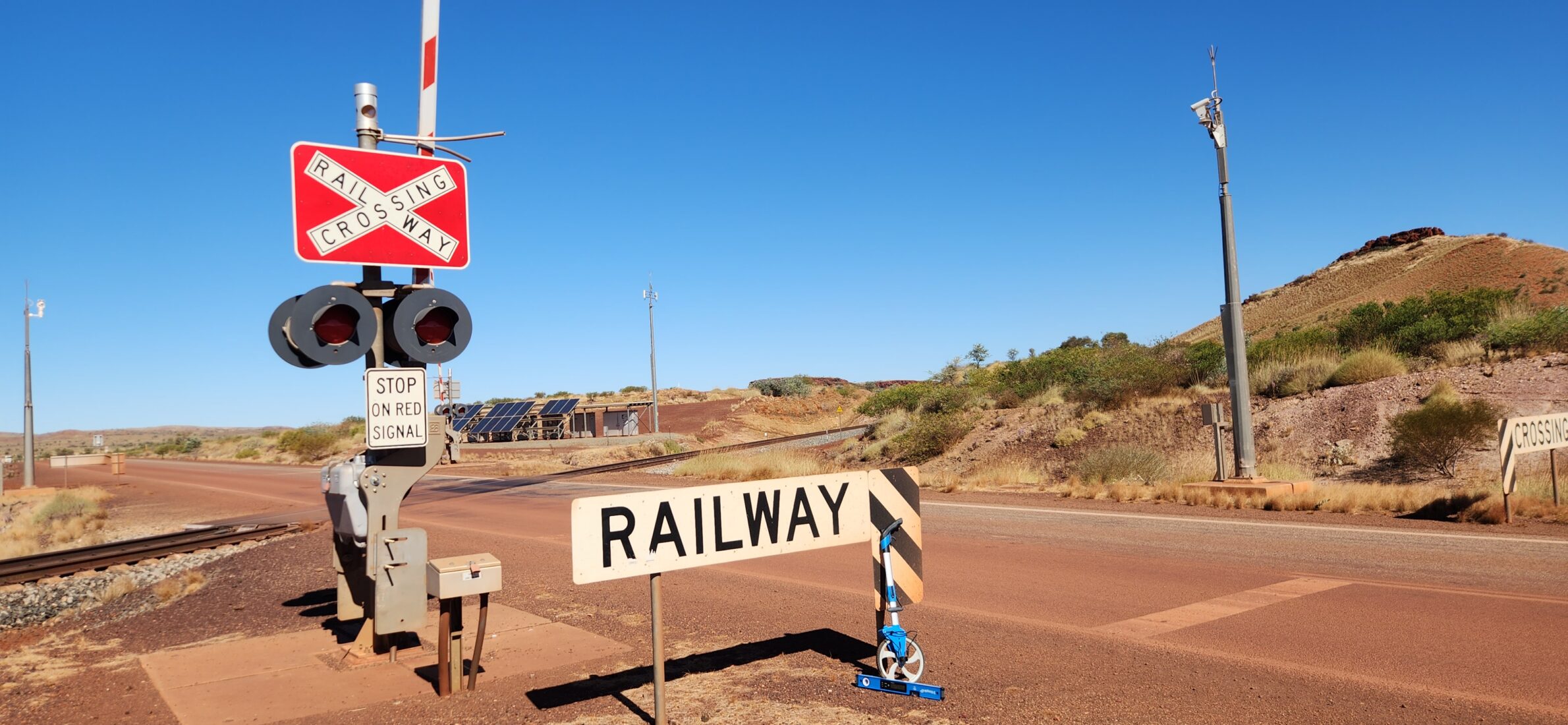
The recognition is an especially significant achievement for Ollie, a signalling design engineer, as he has become the first person to receive this qualification since the new Survey & Rating Course was developed.
The Australian Level Crossing Assessment Model (ALCAM) is a comprehensive assessment tool managed by the Australian Rail Industry Standards Organisation (ARISO) and used to identify risks at level crossings across Australia and New Zealand.
Typically managed by road and rail operators, the tool is used to standardise data and offer comparisons across similar level crossings, with each crossing needing to be surveyed every five years. ALCAM uses data and historical comparisons to identify risk and help prioritise funding. This in turn leads to significant improvements in safety and productivity, as the level crossings requiring urgent care are prioritised.
Simon Bilston, Director – Systems West, SYSTRA, says, “Ollie is an outstanding young professional. This qualification is a serious milestone and a testament to his capability. As the first person outside government to achieve it, Ollie brings a real point of difference that is going to be widely valued by our clients. We are now able to offer an extension of our rail and bridge services that was not previously possible.”
Based in our Perth office, Ollie adds, “Having worked for the Victorian Level Crossing Authority for nearly four years, I quickly developed a strong understanding of these projects and the types of work involved. Now part of SYSTRA and being heavily involved in rail signalling, I could see there was an opportunity to extend my skillset into level crossing surveys.
To learn more about Ollie’s accreditation, please contact him here.
Want to read more?

- markets
Bridges
Read more sur Bridges
- markets
Rail
Read more sur Rail
- projects
ALCAM Pedestrian Model
Read more sur ALCAM Pedestrian ModelNeed more information?
For more information, please get in contact with us. Alternatively, if you wish to subscribe to receive communications, hit keep in touch.
High Speed Rail has the potential to do far more than reduce journey times. For Australia, it represents a long-term opportunity to strengthen national productivity, improve connectivity between cities and regions, support housing and jobs growth, and build a more competitive and resilient transport network. But realising that opportunity depends on more than ambition alone. High Speed Rail is a complex, whole-of-system undertaking that requires decades of disciplined planning, strong governance, proven delivery models and the confidence to apply international lessons in an Australian context.
This article explores key criteria with insights from leaders across our business that help to explain the long-term vision, including:
- Why does Australia need a High Speed Rail line
- Why it is so complex
- What Australia can learn from global experience and
- Why SYSTRA is uniquely placed to deliver on that
- A selection of globally relevant case studies we can learn from
Why does Australia need a high speed rail
High Speed Rail offers Australians a proven nation building proposition. Not just a fast train. It promises to reshape how people live, work and connect by bringing cities, regions and communities closer together. In the Sydney–Newcastle corridor, rising population, housing pressure and constrained transport networks are impacting the communities that reside between them. A high speed line provides the opportunity to overcome these challenges by expanding access to jobs and services, improving productivity and supporting regional growth. It creates a more resilient and competitive transport system by providing a reliable alternative to congested roads, ageing rail infrastructure and short-haul flights, while supporting a lower-emissions future.
Why delivering High Speed Rail is complex
Delivering high speed rail is unlike anything we have completed in Australia. It requires industry collaboration through design, delivery and integration to bring it to life, as well as total community buy-in and bipartisan support for decades. For the delivery of the project, the biggest cost and risks sit in the civils side of construction, where poor scope definition, difficult ground conditions and unresolved interfaces can quickly escalate time and cost. In Australia, that challenge is intensified by the scale of the corridor, heavy tunnelling and environmental constraints. Success depends on strong leadership, clear governance and disciplined planning from the outset to integrate the system properly and manage risk before it becomes integrated into delivery.
What lessons can Australia learn from around the world
Australia doesn’t need to reinvent something that has been delivered around the world. The most valuable lesson to be learnt is that adopting service-proven technologies and processes is far more reliable and cost-effective than chasing unproven innovations. Because of the complexity involved, High Speed Rail requires every single component to work together as a completely integrated system from day one. International experience shows that success relies on planning thoroughly to resolve these complex technical interfaces long before construction begins. By adapting these established global delivery models to local challenges, Australia can build a network that achieves exactly what it is meant to on time and within budget.
What makes SYSTRA the Signature Team
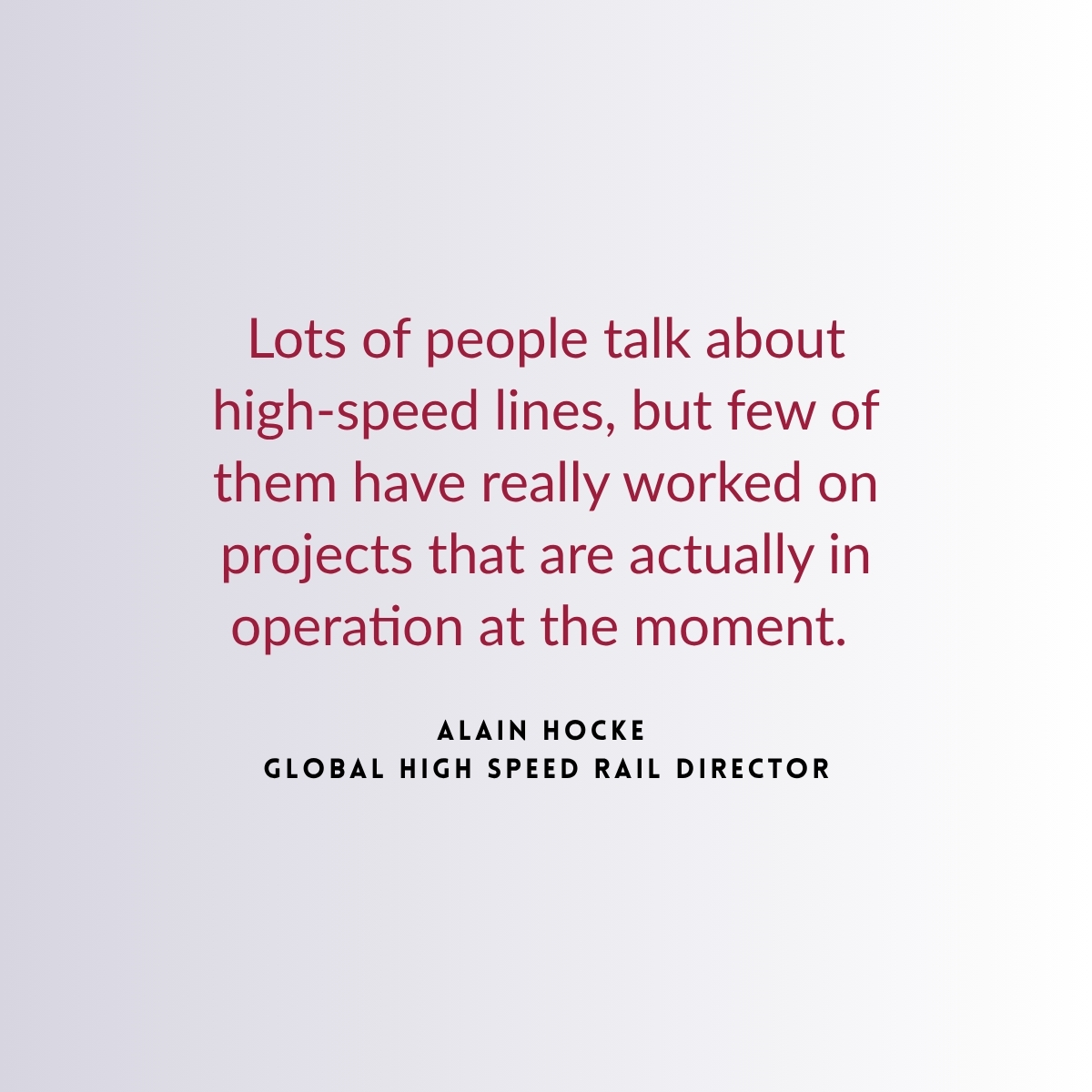
SYSTRA has worked on one in two high-speed rail lines around the world, with origins stemming from SNCF, the original proponents of modern high-speed rail in France. This deep heritage offers the proven global experience needed to bridge Australia’s capability gap. For more than 65 years, SYSTRA has been designing, delivering, and integrating complex projects that keep society moving. Today, with more than 1,000 local experts backed by a team of 11,000 global colleagues, SYSTRA is uniquely positioned to bring the inaugural high-speed rail to Australia.
Want to know more about how we’ve already helped bring to life the Sydney to Newcastle line?
Globally Relevant High Speed Rail Case Studies for Australia

- projects
Paris-Bordeaux High Speed line – France
Read more sur Paris-Bordeaux High Speed line – France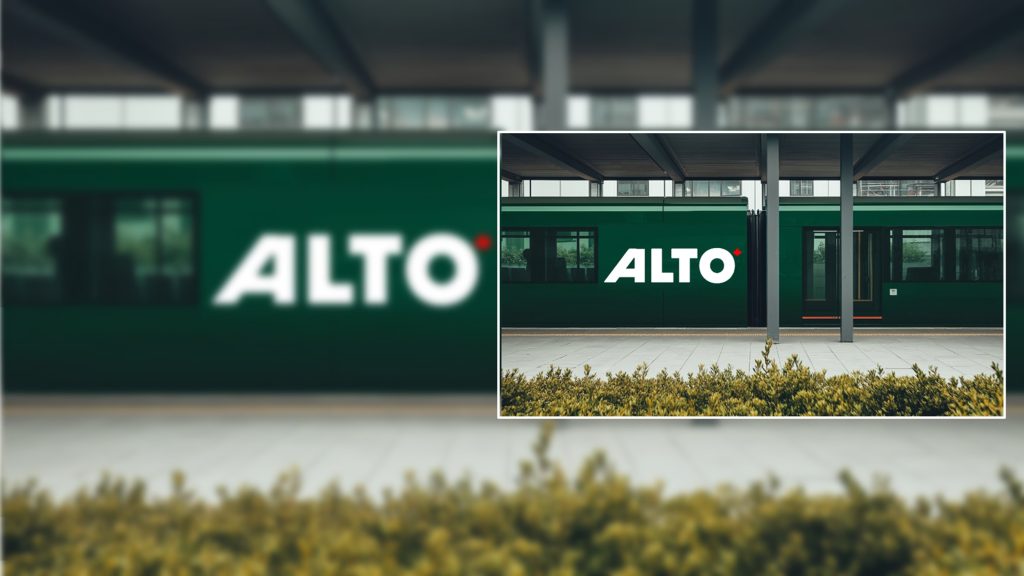
- projects
High speed line ALTO – Canada
Read more sur High speed line ALTO – CanadaWhat’s your job about?
SYSTRA is an engineering consulting firm so that means that I’m helping clients understand what their needs or issues are and working with them on a day-to-day basis. I’m currently undergoing my first rotation with a senior engineer in the transport sector and I’m shadowing him through his career to get a better idea of the work he does and learn more about the company. It’s really helpful having such a good mentor because it means I can ask him anything and we talk almost everyday. He’s really good at getting me involved in “bite-sized” tasks for different areas of the business so I get to try different things and meet different people within the company. My average day usually consists of a few meetings, going through emails, lunch with colleagues, and scheduling some extra productive hours to get work done, and usually the days go by pretty quickly. As a graduate, you tend to get a lot of “odd jobs” which I don’t mind because it’s 1-2 hours of work and when you’re done you feel more accomplished rather than working on a massive project where you can’t really see the end product for a few years.
What’s your background?
I grew up in the northern suburbs of Melbourne and moved closer to the city when I was in high school which had a pretty big impact on my schooling and my friends at the time. Changing schools in Year 10 was pretty tough but it helped me become more independent and I even got my first job. While I knew working in retail wasn’t for me in the long run, my colleagues made the job worthwhile. In my final year at university, I wanted to get some industry experience so I got a job in maintenance at a chocolate mousse factory. At times, juggling full-time university and two jobs was really tough but you learn a lot about yourself and if you can prioritise your time, you can actually achieve anything. When I finally graduated, I was pretty burnt out and I quit my job and I went backpacking through Europe for 3 months. I knew it was something I really wanted to do, as my family is Italian and Maltese and I definitely want to go back soon.
Flash forward to February 2023, I got off the plane and started my new job at SYSTRA two days later. Now it’s crazy to look back on because I’ve already been working for SYSTRA for four months! The final year was stressful enough and applying for jobs made it even more stressful but I’m glad it paid off and I could focus on my exams knowing I had a position at SYSTRA.
“There are so many different projects that the management team tries really hard to put you on a project that makes sense for your background and skill set.”
Could someone with a different background do your job?
Definitely yes, all of the graduates I’ve met at SYSTRA come from different backgrounds, the only things we have in common are an engineering degree, a willingness to learn and respect for the company. There are so many different projects that the management team tries really hard to put you on a project that makes sense for your background and skill set. That being said, there are some characteristics that will help you thrive no matter what company you work for, an open mind, a good attitude and persistence go a long way.
What’s the coolest thing about your job?
My job is pretty unique because I’m working so closely with a senior engineer it’s really easy for me to know if I’m doing my job well. We have daily meetings, usually only 15-30 minutes, where we go through what I’ve done and what I’ll be doing until the next meeting. It really gives me a chance to ask any questions and get feedback. In addition, my colleagues in Melbourne make an effort to try all the different lunch spots in our area so there’s always an open invite for some good food. We also have a tennis court in our building!
What are the limitations of your job?
Engineering consulting is such a broad and overwhelming industry so sometimes it can be hard to see where you fit in. Especially as a graduate, sometimes a project lead will need someone more experienced and because it’s a client’s request, there isn’t much room to persuade them otherwise. I think the biggest limitation of my job is being underestimated, sometimes it might feel like you’re not being utilised to your full potential but I think as time goes on, people get to know you better personally and professionally and you have a better sense of belonging.
3 pieces of advice for yourself when you were a student…
- Study hard but when you graduate, I promise you won’t remember that one test you failed in your second year, it’s not worth compromising your mental health over, just try your best.
- If you don’t understand something or need an extension, just email your lecturer, the worst they can say is no.
- Get yourself a diary. Digital. Physical. A Kmart one. It doesn’t matter but get one you like and write all of your due dates in there from week 1. Keep to-do lists and make internal deadlines for yourself so you can break down those bigger assessments.
To find out more about the SYSTRA ANZ Graduate Program click here.

Graduate Program
Read more sur Graduate Program
Pathways
Read more sur PathwaysWe are pleased to announce that we have partnered with the National Association of Women in Construction (NAWIC).
From May this year, we will be members of NAWIC, an Australian association striving to champion and empower women in the construction and related industries to reach their full potential. It is NAWIC’s primary goal to empower women in construction, and their allies, from all walks of life, cultures, ages and career stages to foster a supportive community of like-minded individuals.

NAWIC welcomes SYSTRA as an Organisational Member and looks forward to their engagement across the NAWIC community.
Messy Munoz, Membership Coordinator
Joining NAWIC is an important milestone for our business as we strive to achieve gender parity not only within our organisation but across our industry.
Through our partnership, we are providing our people access to incredible networking opportunities, professional development, mentorship and the chance to be part of the change we all want to see.”
Dave Cahilap, Director – Learning & Talent Development, SYSTRA
Our partnership adds to our long running history of advocacy for a more gender balanced industry.
Earlier this year at the Work180 awards, we took home the top award in two of the four categories we were nominated for including Equitable Workplace Award and the Overall Engineering & Construction Industry Award. This comes after we were recognised by Work180 in the Herald Sun as Australia’s 7th top Employer for Women.
In late 2025, we also reaffirmed our long-standing commitment to diversity, equity and inclusion (DEI) by becoming one of the early signatories of the Australasian Railway Association (ARA)’s Rail Gender Equity Charter.
For more information on how we’re committed to pursuing a diverse, equitable and inclusive culture, please click here.
Want more information?

Diversity, Equity & Inclusion
Read more sur Diversity, Equity & Inclusion
Why SYSTRA?
Read more sur Why SYSTRA?
- News
14 October 2025
SYSTRA becomes early signatories on Rail Gender Equity Charter
We are pleased to welcome Peter Neal to our ANZ team as Director – Telecommunications, based in Sydney.
Peter brings to the business a unique skillset that spans engineering, product and market growth across ANZ and Asia Pacific. He has led complex telecommunications programs, scaled an energytech startup, and has consistently demonstrated expertise in turning innovation into client benefit and measurable productivity outcomes.
Peter’s appointment aligns with our strategic focus on becoming the Systems Integrator of choice across Australia and New Zealand. Through Peter and other key hires within our Telecommunications and Systems team more broadly, we’re investing so that we are there for our clients where it matters. We’re designing, integrating and delivering solutions that lift productivity, improve safety and uplift customer experiences throughout the lifecycle of a project.
Tom Warner, Executive General Manager – Systems, SYSTRA ANZ
Peter joins SYSTRA at a time when Australia is leading the way for the global adoption of Future Radio Mobile Communication System (FRMCS). Positioned at the forefront of this new standard for the rail industry, Peter will focus on business development and delivery support across the east coast, translating what can be a complex transition into clear strategies that help clients navigate this once in a generation shift.

It’s an exciting time to join SYSTRA. I’m looking forward to partnering with clients, providing them with our signature expertise and turning complex technology into practical outcomes. For our clients and the community, that means improved safety, a more resilient network, and a clear pathway to an improved passenger experience.
Peter Neal
Peter’s appointment comes after SYSTRA recently announced its partnership with Sydney Trains to partner in delivering the NEXTGEN Digital Train Radio System.
For more information on our expertise in telecommunications and FRMCS, please click here.
Vi is a Signalling Project Engineer in our Systems team in Sydney and aspires to grow into a people-oriented leader.

I am thrilled to be part of the Future Leaders Program and to receive formal recognition and training aligned with where I want to develop. I am looking forward to the opportunity to build new skills and expand my network with likeminded peers and the senior executives who champion the program.
Vi Dinh – Future Leader
We are delighted that Vi’s application was accepted and excited to see her continued development. Investing in our next generation is essential to our success and to achieving our vision as the signature team for infrastructure.
Paul Furniss, Director – Signalling & Train Control East at SYSTRA and sponsor of Vi’s application
With five years in the industry, Vi is a passionate advocate for rail signalling and systems engineering. “I love solving the unique and challenging problems that signalling presents,” she said. “Projects succeed when people come together. The problems we tackle are bespoke and complex, so no one can know everything. Through the leadership skills I will develop in the Future Leaders Program, combined with real‑world experience, I want to be the person who brings teams of experts together to help clients solve the most complex issues. It’s challenging—and exciting.”
About the ARA Future Leaders Program
The ARA 2026 Future Leaders Program is an exclusive leadership initiative that equips emerging leaders with the concepts, tools, networks, and self awareness needed for effective leadership. The comprehensive program is grounded in contemporary leadership best practice and offers a unique opportunity for the professional and personal development of rail professionals who are expected to shape the industry over the coming decades.
Relocating from Germany, Hendrik brings nearly 30 years of hands-on experience. He’s led major upgrades for railway communication across Europe including German DB GSM-R upgrade, Dutch NS Reizigers GSM-R fleet upgrade and more recently in Israel as well. He has also played a key role in shaping the Future Railway Mobile Communication System (FRMCS) through his work with the International Union of Railways (UIC), the European Telecommunications Standards Institute (ETSI) and the Unitel Committe of UNIFE between 2013-2025.
“Hendrik is a strategic hire for our business as we look to further enhance our capabilities within the rail telecommunications sector. With FRMCS set to replace incumbent Global System for Mobile Communication – Railway (GSM-R) networks over the coming years, our clients will require a team with deep expertise in both technologies and system integration.
“Hendrik’s proven experience further enhances our ambition to become the industries system integrator of choice. He offers a unique point of difference and one that will be incredibly valuable to our team and our clients.”
Jason Powell, Director – Rail Systems East Division
“I’m thrilled to join SYSTRA, a company recognised globally for its leadership in rail systems. Having helped other networks through similar transitions, I’m looking forward to bringing that experience to the Australian market.
“It’s an exciting time to be part of an industry on the cusp of major transformation.”
Hendrik Holz
Hendrik is also a passionate advocate for rail telecommunications, regularly sharing insights at industry events and international conferences.
His appointment further enhances our capabilities in rail telecommunications, GSMR and FRMCS.
For more information on our expertise in rail telecommunications, please click here.
With nearly two decades experience working with the client, vendor and contractor on numerous high-profile infrastructure and transportation projects, Jon brings to the business diverse and deep expertise in Telecommunications for railways.
“We are excited to have Jon join our team. He will bolster our Telecommunications expertise, offering our clients extensive support across the full lifecycle of the project.”
Tom Warner, Executive General Manager – Rail Systems, SYSTRA
As new technologies continue to transform global railways, Jon’s experience will be vital in navigating this period of change.
“In his role, Jon will bridge the gap between engineering and project management to guide our clients through their telecommunications journey—providing clarity, insight, and dependable support.”, says Tom.
He adds “As operators look to incorporate FRMCS into their networks, Jon’s expertise ensures SYSTRA is the lifecycle partner of choice for all telecommunications projects.”
With both formal qualifications and industry certifications in Telecommunications and Network Engineering, Jon is passionate about infrastructure of national significance, and more specifically rail’s increasingly important role in the mix of sustainable mass transportation solutions.
“Rail telecommunications impact how efficiently railways operate, and how sustainably communities and even countries connect. As the sector becomes increasingly digitalised and more progressive, there will be many exciting opportunities for further engineering and technological innovation.”
“Being part of a team renowned for its rail systems and integration expertise is incredibly exciting. I look forward to working with many new partners and clients to bring their projects to life while also collaborating with colleagues in Australia and around the world to position us as the Signature Team for systems and infrastructure solutions.”
Jon Stubing, Technical Director – Systems – SYSTRA
To learn more about Jon Stubing, please connect with him on LinkedIn or reach out via email.

- services
Rail Telecommunications
Read more sur Rail Telecommunications
- markets
Rail
Read more sur Rail
- services
Project Management
Read more sur Project ManagementThe PTAANZ Emerging Mobility Leaders is made up of passionate young transport professionals that plan and implement initiatives and activities to bring together their peers to advance their skills and support their role in the public transport industry.
A graduate within our Infrastructure Engineering team in Sydney, Matt is passionate about delivering innovative solutions in public transport – particularly through his work in tunnelling.
“I got into engineering so that I could play a part in helping to connect cities. Only in my second year in the industry, I have so much to learn and by getting involved with the PTAANZ and the Emerging Mobility Leaders committee, I will be able to better engage with others, understand more about what they do, and become a more well-rounded engineer as a result.”
Matt continues SYSTRA’s proud history of involvement within the Emerging Mobility Leaders committee with Benjamin Voss also having been involved.
“I’m looking forward collaborating with the other emerging professionals and championing a sustainable public transport future in ANZ,” says Matt.
As tunnelling becomes an increasingly vital part of how we shape our cities—particularly in delivering faster, more efficient rail—Matt’s experience and perspective with the emerging leaders committee will be instrumental.
We’re proud to have young professionals like Matt improving our industry through new ways of thinking.
Based out of our Sydney office, Maud returns having previously worked for SYSTRA from 2009 through to 2019 which included a relocation from Paris to Sydney in 2014.
“We are thrilled to welcome Maud back to our business,” says Rob Scarbro, Director – Systems, SYSTRA. He adds, “Maud will play a crucial role in helping us strengthen our position as the Systems Integrator of choice across the Australian and New Zealand markets.
“She will offer our existing clients outstanding technical expertise where she specialises in rail operations planning, with a particular emphasis on operational modelling. She will also play a key role in helping us win work and grow our team.”
At a time when significant upgrades to our rail network are set to be rolled out as well as major investment in High-Speed Rail, Maud’s expertise in complex rail systems including the integration of ETCS and CBTC will be crucial to helping our clients navigate what will be a unique period of change.
“There is so much opportunity ahead for the ANZ market with the rail system in both regions undergoing significant change,” says Maud.
She adds, “Operational Planning will be important to the success of these projects in that we will be working closely with our Integration team to ensure the systems and technologies achieve their desired objectives. I’m excited to be back, working closely with our clients across the full lifecycle of projects to ensure interoperable networks are achieved.”
Within the Operational Modelling space, Maud believes that with these exciting projects in the pipeline, there is a lot of room for us to push the boundaries of innovation, using data and technology to achieve safety and productivity benefits across the industry.
She says, “I’m looking forward to being at the forefront of that change, upholding our core values of bold leadership, excellence and connected teams to make this period of change one of great benefit to our clients and the community.”
To find out more about Maud’s experience and expertise, please click here.
Related Content

- services
Operational Integration
Read more sur Operational Integration
- services
Systems Integration
Read more sur Systems Integration
Interoperability: The fast track to a seamless, railway system
Read more sur Interoperability: The fast track to a seamless, railway systemNeed more information?
For more information, please get in contact with us. Alternatively, if you wish to subscribe to receive communications, hit keep in touch.