Australia
  Brazil
  Canada
  Chile
Chile  China
China  Columbia
  Denmark
  Egypt
Egypt  France
  India
India  Indonesia
  Ireland
  Italy
Italy  Malaysia
  New Zealand
  Norway
  Panama
  Peru
Peru  Poland
  Portugal
  Saudi Arabia
  Singapore
  South Korea
  Spain
Spain  Sweden
  Taiwan
  Thailand
  Türkiye
  United Kingdom
  United States
  Vietnam


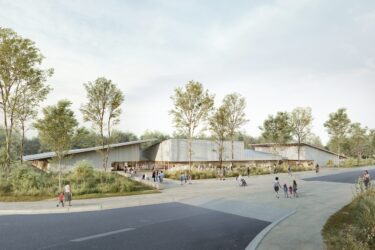
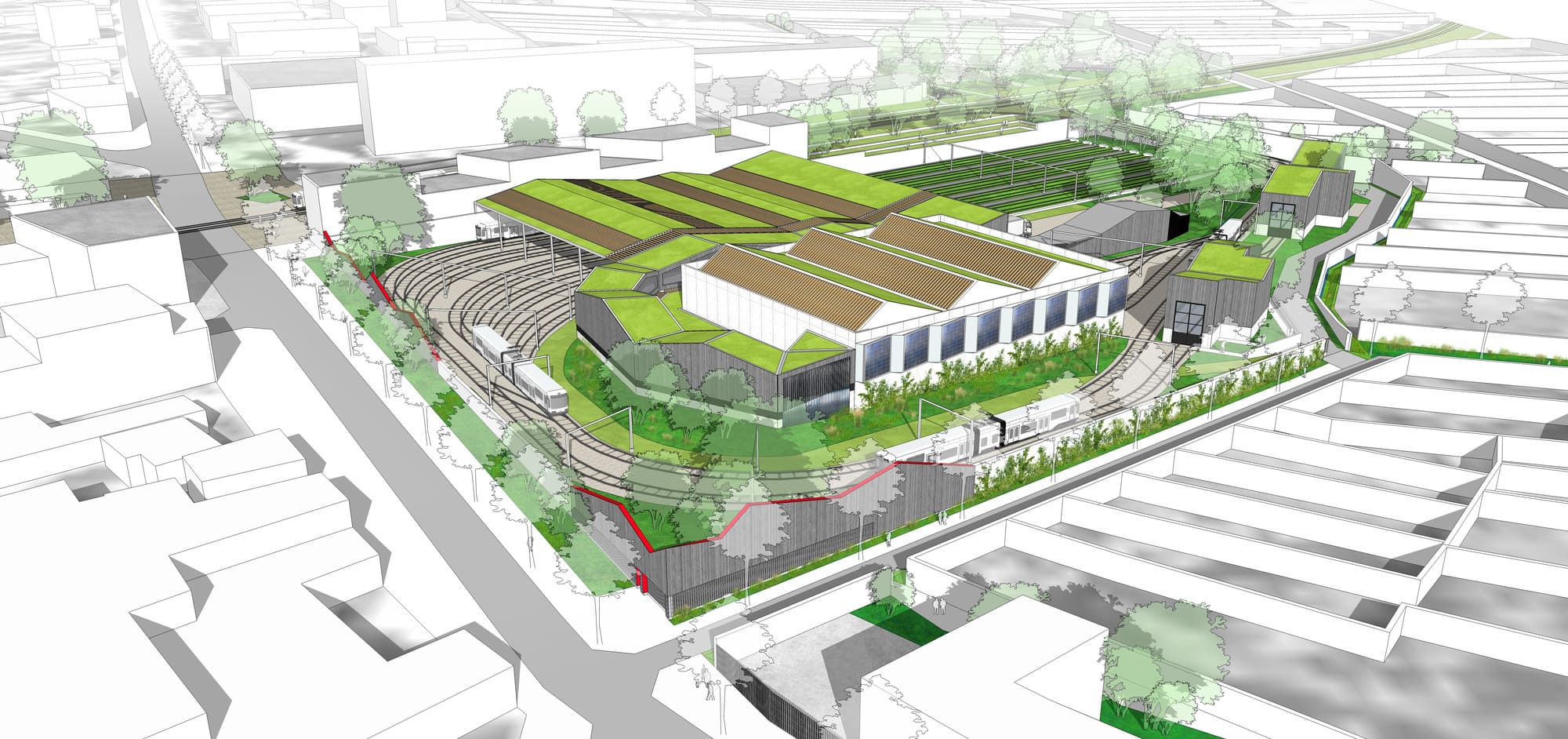
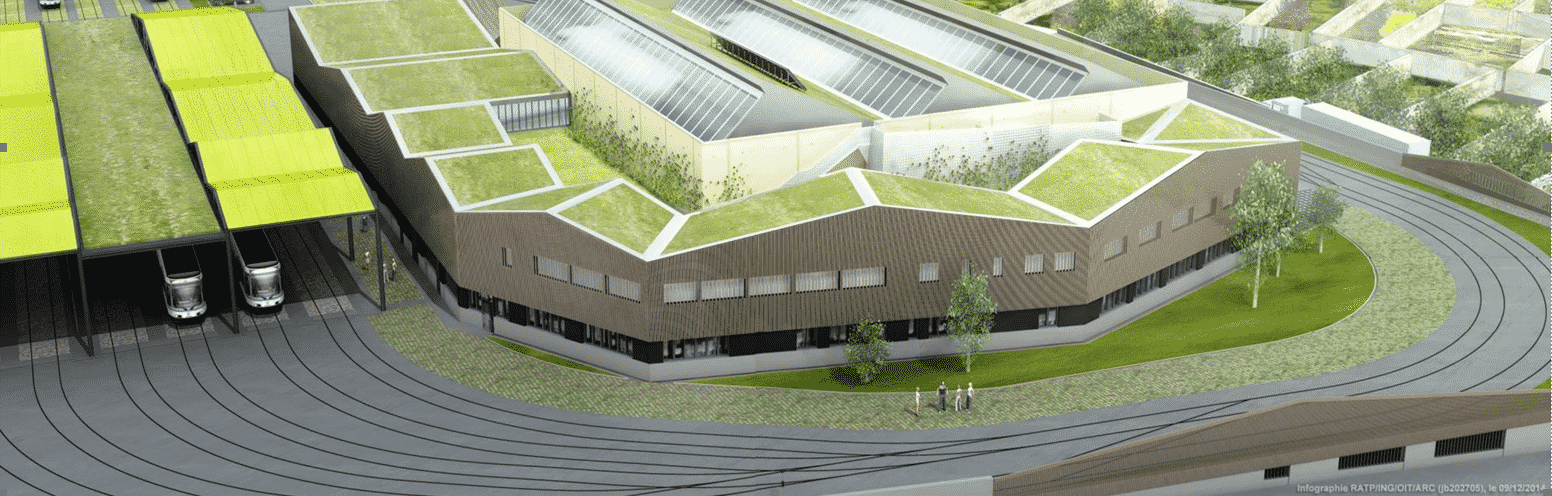
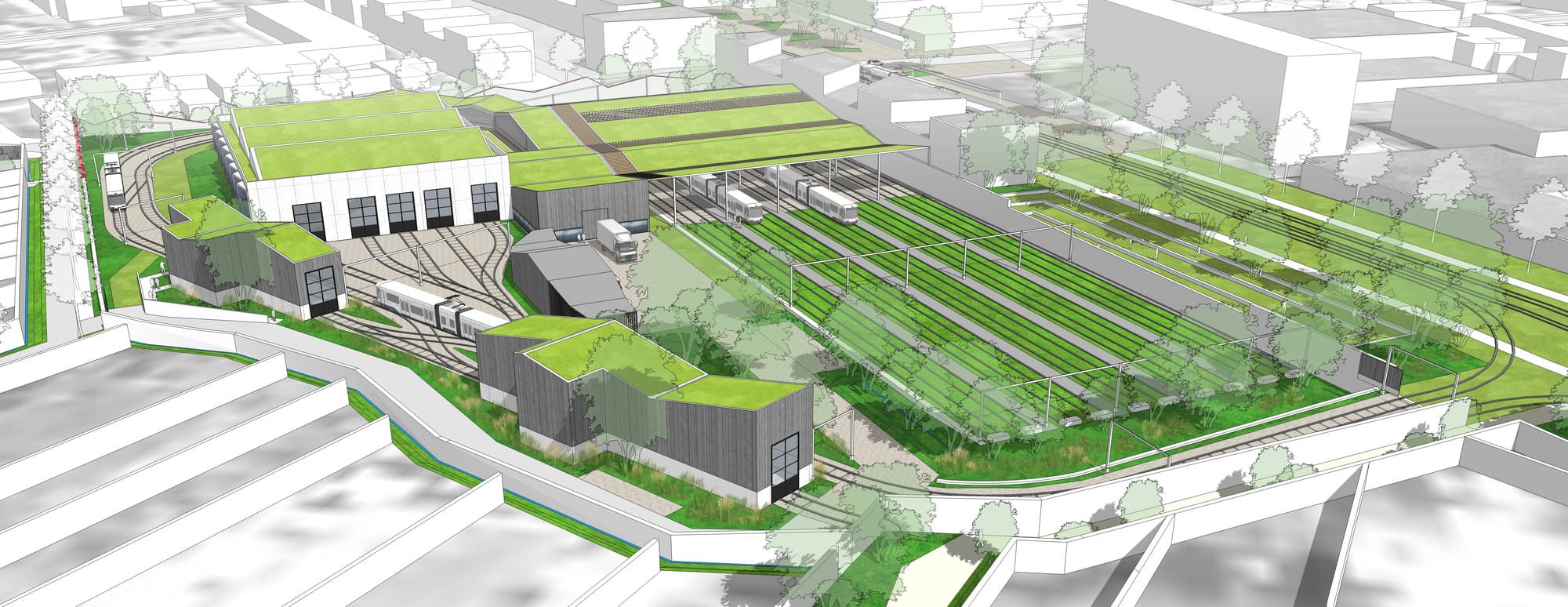
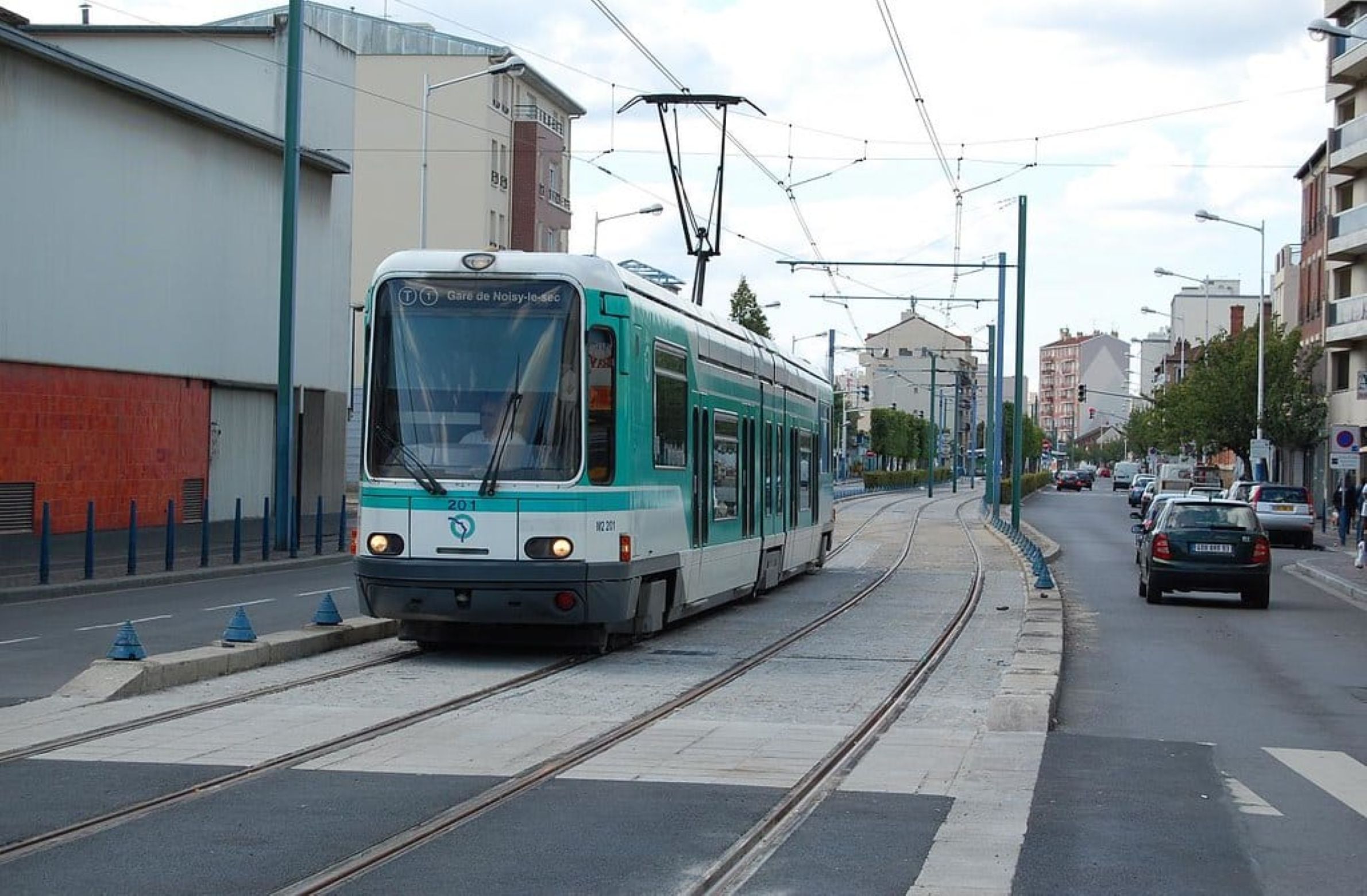
The new tram maintenance depot in Montreuil, France, supports the renewal of the T1 tram fleet and the line’s eastward extension. Designed for RATP by the SYSTRA/ERA Paysagistes consortium, the 2.2-hectare depot can accommodate and maintain up to 40 new-generation trams. Completed after three years of construction and operational since 2026, it complements the existing depot in Bobigny.
A purpose-built facility for the T1 line
The site is organised around ten tracks for maintenance and overnight storage. The main building houses mechanical, lubrication and electrical workshops for tram maintenance and repair. Tracks equipped with inspection pits provide access to the brakes, wheels and electrical equipment.
A vehicle-cleaning area with a wash plant supports routine servicing. The administrative and technical buildings accommodate maintenance teams and drivers, while an integrated control centre oversees tram movements, shunting and storage across the site.
An industrial facility integrated into its surroundings
Located near the Murs à Pêches, a historic horticultural landscape dating back to the 17th century, the depot lies along the route of the future tram extension. The choice of site and its integration into this emblematic Montreuil landscape were developed in close consultation with local stakeholders, including the City of Montreuil.
SYSTRA and ERA Paysagistes provided the depot’s technical, architectural and landscape design, as well as construction supervision. The façades combine timber cladding with white- and grey-stained concrete to reduce the visual impact of the industrial facility and integrate it into its urban and landscape setting. The boundary landscaping draws on traditional local techniques, notably lime-rendered walls.
Rainwater management combines planted swales with a roof-water harvesting system. Designed around a catchment area of approximately 1,800 m², the system was sized to cover nearly 80% of the combined water demand for sanitary facilities and irrigation. Depending on the scenario, it could recover between 40 and 60 m³ of water per month. Green roofs and planting also help integrate the built volumes and create new ecological habitats.
The construction phase itself followed a low-impact approach aimed at minimising disturbance to local residents and ecosystems, conserving raw materials, water and energy, and reducing pollution.