 Australia
  Brazil
  Canada
  Chile
Chile  China
China  Columbia
  Denmark
  Egypt
Egypt  France
  India
India  Indonesia
  Ireland
  Italy
Italy  Malaysia
  New Zealand
  Norway
  Panama
  Peru
Peru  Poland
  Portugal
  Saudi Arabia
  Singapore
  South Korea
  Spain
Spain  Sweden
  Taiwan
  Thailand
  Türkiye
  United Kingdom
  United States
  Vietnam



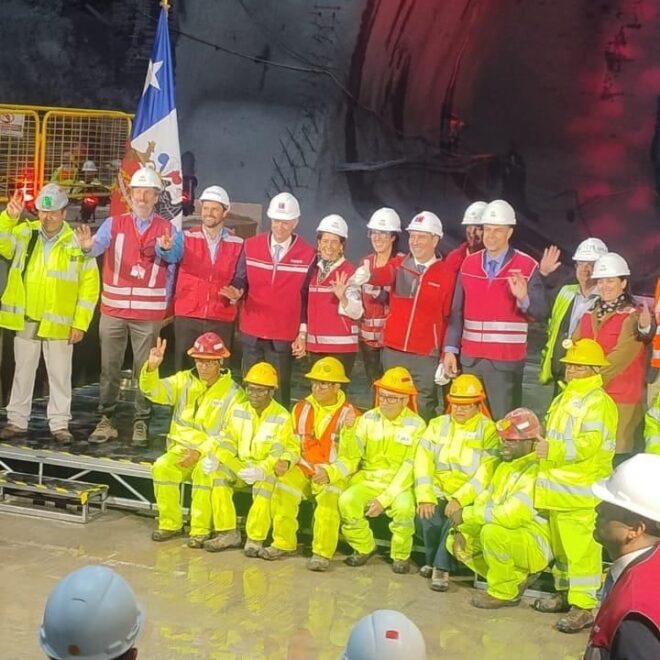
The event was attended by the President of Chile, José Antonio Kast Rist, underscoring the national importance of this milestone. The breakthrough came soon after another successful tunnel connection on the same line, reinforcing the steady progress being made across the project, and an Infrastructure project for Line 8 awarded in 2025.
A major contribution by the SYSTRA Subterra teams
SYSTRA Subterra has played a central role in this journey as the designer for sections 2, 3 and 4 of Line 7. At the same time, the team is continuing to develop the Selective Door Opening (SDO) system as phase 2 of its contract with Metro de Santiago, helping shape not only the infrastructure itself but also the way it will operate in the future.

This breakthrough at Isidora Goyenecha is a clear reflection of the technical excellence behind this project. Delivering such complex underground infrastructure in a dense urban environment demonstrates the strength of SYSTRA Subterra’s engineering and our close collaboration with Metro de Santiago. We are proud to help shape the future of mobility in Santiago through Line 7 and beyond.
José-Miguel Galera, CEO SYSTRA Subterra
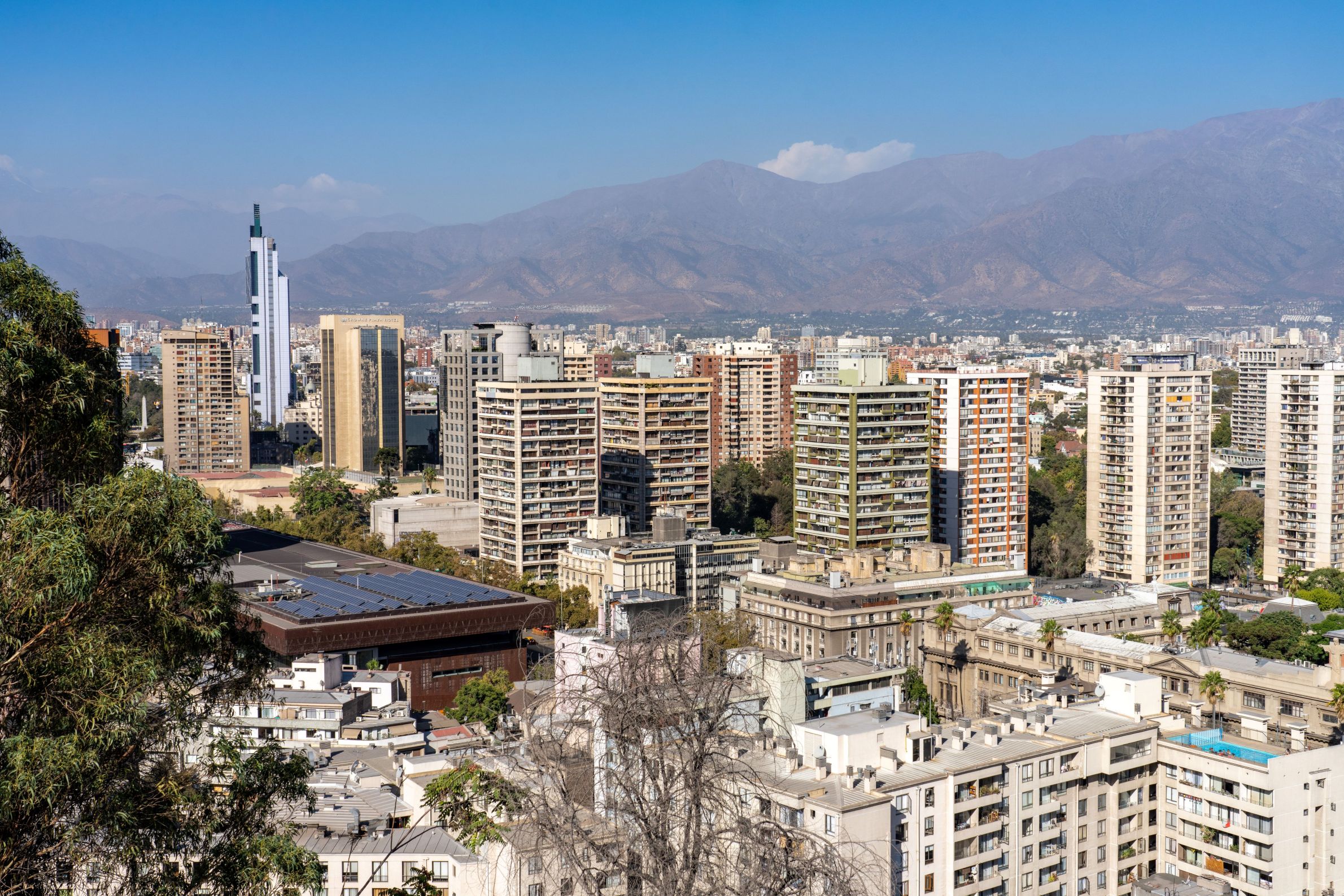
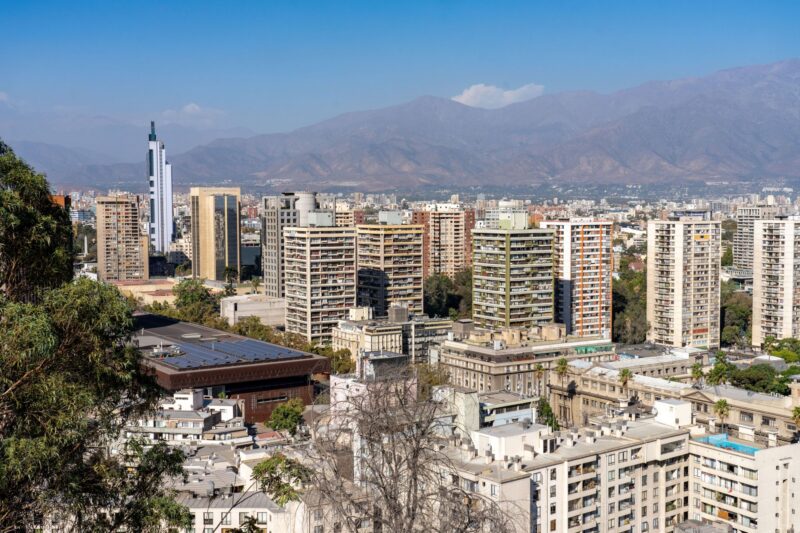
Among the most technically demanding parts of the project is Isidora Goyenecha Station. Building here means working in the shadow of dense urban development, with major structures pressing close to the construction zone. Most striking of all is the Titanium tower, a 200-metre-high landmark that rises just metres from the station, making the engineering effort at this location especially complex and remarkable.
SYSTRA and the Santiago Metro: a long and successful history
Over the years, SYSTRA has become a trusted engineering partner in the development of the Santiago Metro, contributing to its growth since the earliest stages of the network in the 1960s. Among its most significant contributions are the automation of Line 1, the development and extension of Lines 3 and 6, and the design studies and construction supervision for Line 7, highlighting a long-standing commitment to Santiago’s urban mobility.