 Brazil
  Canada
  Chile
Chile  China
China  Columbia
  Denmark
  Egypt
Egypt  France
  India
India  Indonesia
  Ireland
  Italy
Italy  Malaysia
  Norway
  New Zealand
  Panama
  Peru
Peru  Poland
  Portugal
  Saudi Arabia
  Singapore
  South Korea
  Spain
Spain  Sweden
  Taiwan
  Thailand
  Türkiye
  United Kingdom
  United States
  Vietnam


The year 2023 was marked for SYSTRA by the launch of its Climate Trajectory, based both on the exemplary nature of our daily practices within the Group and on our ability to offer our clients solutions that respond to the effects of climate change.
Each of our subsidiaries has proposed a plan to reduce its carbon emissions, and we are involved in a Science-Based Targets initiative (SBTi) approach to reduce our emissions in the short term.
Another major lever for action is our sustainable design and construction framework, which focuses on issues relating to biodiversity, choice of materials, air quality and water management.
As for our employees, we are proud to see that they are involved in local communities, particularly through their participation in community projects.

2023 was all about our reasserting our firmly held beliefs as a company: we can take action, we need to take action, and we are taking action. For me, 2023 was about the positive impact of our activities.
Christelle Chichignoud, Vice President Sustainability

Sustainability Report 2023
Find out how SYSTRA makes a difference.
“Joining SYSTRA was a big step for Bamser. The last year has been a real game changer as we expand our offerings and ability to bring global expertise to our local clients” commented Ben Crosby, Executive Director.
Jon Daley, EGM Infrastructure said “The synergy and complementary service offerings have provided a real benefit to both sides, positioning SYSTRA as a serious player both in ANZ and globally. It’s been fantastic working with our tunnelling design colleagues at SYSTRA India, SWS in Italy and Subterra in Spain and our people have enjoyed being part of a global tunnelling capability network.”
SYSTRA Bamser began sharing offices from day 1 in Melbourne, which was a real success for integration. Followed soon after by a merge into our Chifley Tower Sydney Head Office and finished a few weeks ago coming together in a whole new office space in Ann Street Brisbane. The new Brisbane office is now suitably sized to soon welcome our RSA colleagues who will join the SYSTRA family imminently.
Alana Newbrook, CEO, SYSTRA ANZ said “It has been a big year for all of us as we have exponentially grown. What has been most rewarding to see is the multi-disciplinary teams working alongside each other and pitching for and delivering work that 1 year earlier, we wouldn’t have been invited to participate in. This extension of our capability and buzz in the office as we win new work makes all the hard work worthwhile.”
Tim Brown, Executive Director added “Being physically located together across ANZ has resulted in a number of wins for both staff and clients. The ability to bounce ideas off each other and to bring not only an expanded remit of local experience, but global best practice to the ANZ market has been a real step change. We cant wait to see what year 2 has in store!”
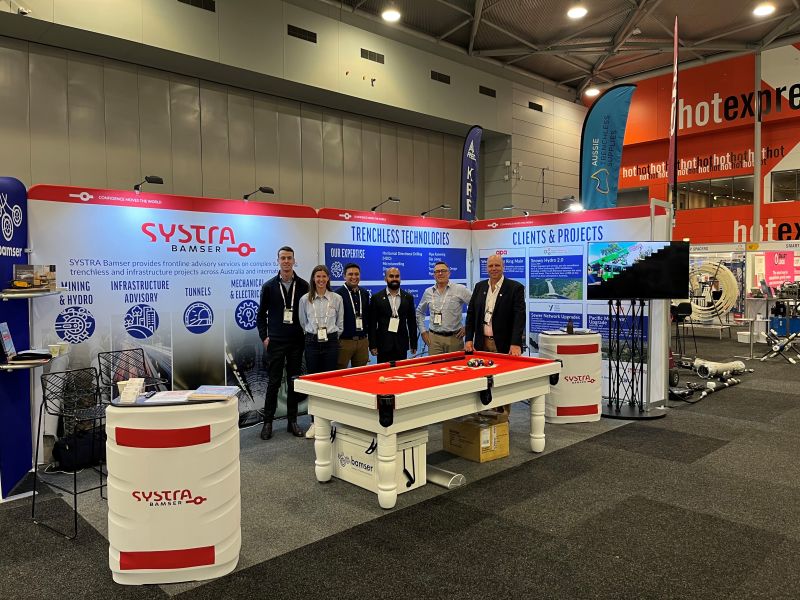
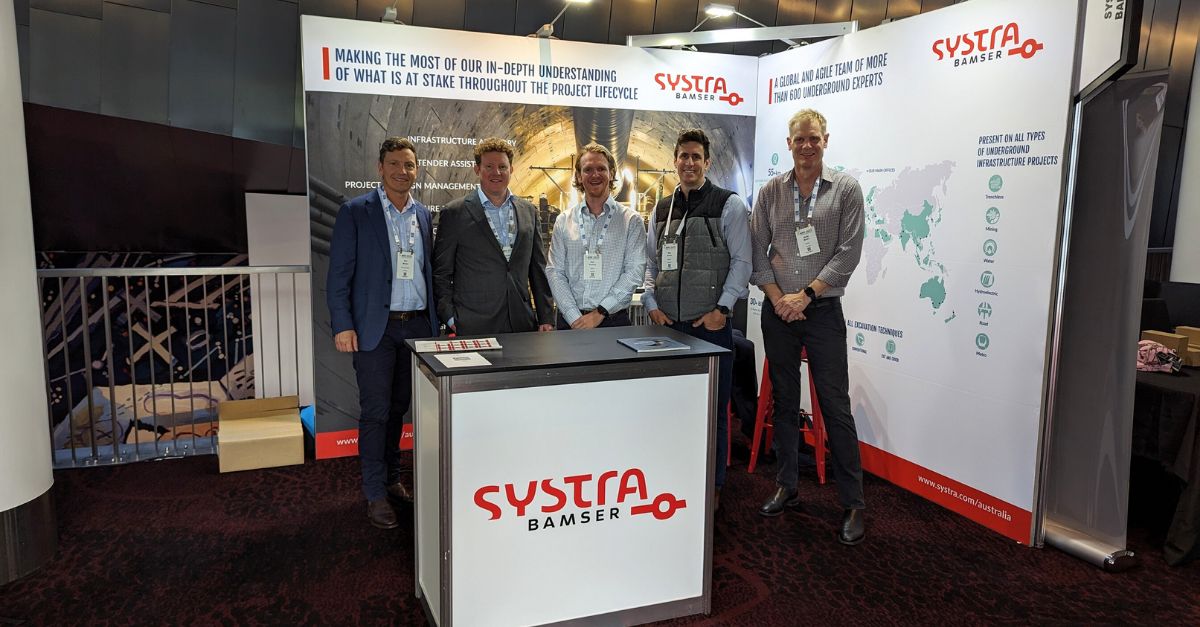
Learn more about SYSTRA Bamser

SYSTRA Bamser
Read more sur SYSTRA BamserbSA is part of the international BuildingSMART programme that has representation across the UK, Europe, North America, the Middle East and Far East. They are a leading association whose vision is to have a building and construction industry that collaboratively shares and maintains information about facilities and infrastructure in a manner that optimises the quality and economy of regulatory approval, design, construction and operation of the built environment.
“I am excited to be on the board, collaborating with likeminded professionals about a cause I am deeply passionate about. I’ve been working within the digital engineering and innovation space for the past three decades and genuinely want to help advance the purpose of bSA because I see the value open BIM can bring.”
Sandra Lang, Director – Digital Engineering
bSA is advancing the industry by developing standards, tools and training to drive the adoption of openBIM – sharable project information that supports seamless collaboration for all project participants. It is helping to make building and infrastructure cheaper, greener, and more efficient, reducing risk and waste.
As part of her role on the working board, Sandra will provide her years of experience and leadership to help define initiatives, working groups around certain topics, training programs and events. In 2023, she was part of a working group and worked with existing board members on the development of an Asset Operations Handover Framework a project defining a standardised, but flexible, modular framework for documenting handover requirements for all facilities.
Sandra will be part of the BuildingSMART Australasia board for a period of 12-months ending in late 2024. She holds a Masters in global BIM Management with a Master Thesis that had a focus on openBIM management.
People play a crucial role in achieving interoperability. They are the users, designers, developers and decision-makers who work with each other to manage the network. They are the ones who must use the available data and technology to provide outcomes. However, to ensure the right outcomes, people must be given the relevant skills and then empowered to make decisions.
Overcoming the digital skills gap
As data and technology continue to change the way we work, traditional skills will need to adapt. Each role will need to be analysed and optimised. To overcome the ongoing digital skills gap and to cover a projected 83% increase in demand for digital roles in the coming years1), stakeholders must upskill their people to broaden the talent pool. This applies to roles in front-line operations and maintenance and equally to those needed to design, develop, and implement new data-driven solutions.

Managing workforce interoperability
Different technologies, data sets and ways of working between organisations increase the complexity of skills required by the workforce. Additionally, decisions made by one organisation may have interoperability implications for another. Any differences in technology, rules and processes between organisations perpetuate this complexity. Consistent technologies and operating rules will prevent technology locks and improve the overall efficiency of the industry. For example, a single system would reduce workforce training requirements, lower operational costs, and facilitate labour mobility. To achieve this will require a clearly articulated pathway forward and collaboration between stakeholders.
Optimising the Human Element to achieve Interoperability
It is essential to take a human-centered approach to interoperability because it addresses the way people interact with and use data, systems and technology. The aim is to ensure the system and user are optimally aligned – whether this is by designing the system to fit the user or designing the organisation to fit the technology. If a system is designed without considering usability, or if multiple systems are required to be used in different contexts, it can lead to errors, frustration and reduced productivity. By taking a people-focused approach, the system (software, equipment, rules, and processes) can be designed so they are easy to use, error-tolerant and more likely to be adopted, championed and used effectively.
Success lies in bringing together stakeholders early in the design process, prioritising communication, and collaboration throughout the development lifecycle, ensuring diverse and user-friendly solutions are created. As the transport sector becomes increasingly connected, a human-centered approach is critical to ensure interoperability.
Want to learn more about interoperability?

The Fast Track to a seamless, safer railway system
In this publication, we delve into the benefits and challenges that will come with interoperability, and focus on the critical role data, technology and people will play in ensuring the journey is as smooth as possible. We also explore a selection of compelling case studies, provide insight into some of the long-term opportunities interoperable rail networks will present, and offer practical guidance on the best way to make a common platform a reality.
In many of its use cases, achieving interoperability will require data, technology and people working together to achieve outcomes.
Data and technology can help bring together disparate systems, but creating a common platform is more complex. For systems to become interoperable, data and technology need to be successfully managed, protected, structured and available to the various user groups. Each step will come with its own challenges and risks.
Successfully Managing Data
Successful data management means collecting, cleaning, aggregating, structuring and anonymising organisational data. It involves key steps such as:
- Data governance
- Data quality management
- Data integration
- Security and privacy
- Data storage
- Analytics and insights
- Continuous monitoring and improvement.
Effective data management will unlock the immediate benefits of interoperability, such as smarter real-time decision-making, streamlined information sharing, asset tracking and resource management. It will assist those who interact with, manage, and maintain the complex networks of today and in the future.
Moreover, as each organisation opens, shares and integrates data into the broader IoT ecosystem, this will empower the entire transport industry to achieve its full potential. We will see further innovations and technological advancements, including new services to improve customer journeys, modern asset-management practices—such as predictive maintenance, improved planning, responses to disruptions— and giving greater transparency and consistency over network operations. This, in turn, will improve safety.
Navigating Emerging Cyber Security Risks
With data and technology integral to interoperability, the ever-growing number of IoT-powered devices will leave organisations vulnerable to cyber threats. Navigating cyber risk in critical infrastructure will be essential to safeguarding the integrity of vital systems and protecting the privacy and safety of customers.
To counter risks, organisations will need to build many layers of protection and detection into the design and operations of their various systems and will need to utilise a wide selection of products and services developed by a range of different cyber security suppliers.
- Security: infrastructure, network, application, information, and cloud.
- Employee awareness and security training.
- Disaster recovery and business continuity plans.
To implement a successful cyber strategy, organisations should consider bringing in subject matter experts to establish processes and provide ongoing assistance.
In addition, organisations must also comply with several industry and international cyber security standards. These include ISO27001 & IEC62443 and state and federal legislation such as the Security of Critical Infrastructure Act 2018 (SOCI Act) and relevant privacy legislation.
Want to learn more about Interoperability?
The Fast Track to a seamless, safer railway system
In this publication, we delve into the benefits and challenges that will come with interoperability, and focus on the critical role data, technology and people will play in ensuring the journey is as smooth as possible. We also explore a selection of compelling case studies, provide insight into some of the long-term opportunities interoperable rail networks will present, and offer practical guidance on the best way to make a common platform a reality.
SYSTRA has reached an agreement with Atkins, part of the SNC-Lavalin Group, to acquire its Swedish, Danish, and Norwegian engineering businesses, which specialise in infrastructure design and project management consultancy, as well as its rail verification services in Denmark.
With 770 experts working in 12 offices, including 7 in Sweden, 4 in Denmark and 1 in Norway, these teams have established themselves as key players in the field of infrastructure and consultancy. Once completed, these acquisitions will mark a major step forward for SYSTRA’s development in Nordic countries, where the Group already employs 300 staff.
This strategic reinforcement will enable SYSTRA to respond more effectively to the major projects undertaken in these countries and to offer its clients a wider range of services.

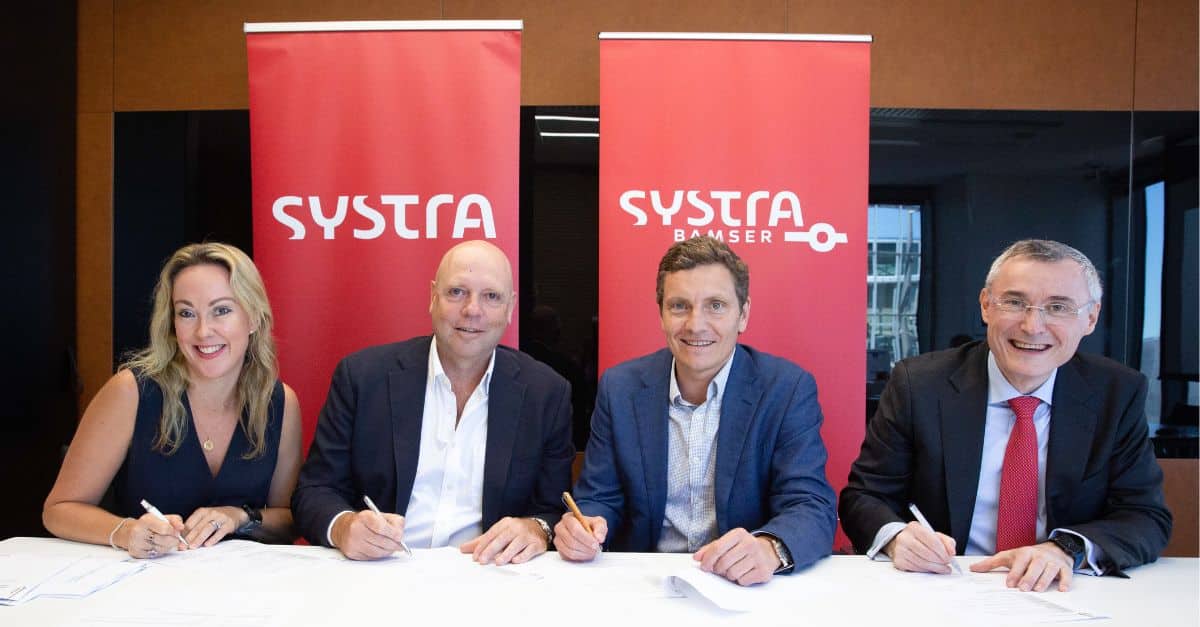
From left to right: Pierre Verzat, CEO of SYSTRA and Eva Rindom, Managing Director Atkins Denmark;
Jean-Charles Vollery, COO of SYSTRA, Bruno Susak, CEO of SYSTRA Nordics, and Johannes Erlandsson, Managing Director Atkins Sweden; Arnaud Jeudy, CFO of SYSTRA, and Magnus Eriksson, Managing Director Atkins Norway.
Pierre Verzat, CEO of SYSTRA, said: “We are delighted to welcome these new expert teams to SYSTRA. These acquisitions are in line with our growth strategy in Europe and strongly confirm our presence in Sweden, Denmark and Norway, where governments are investing massively in transport infrastructure, particularly railways. Together, we will be able to contribute to major sustainable mobility and resilient infrastructure projects in the region.”
The SYSTRA Group has been present in the Nordic countries for over 10 years, and has been involved in numerous projects and emblematic ongoing projects such as : in Denmark, the Copenhagen automatic metro since 2007, the electrification of the entire Danish rail network since 2013, and the automation of the S-STOG suburban trains since 2021; in Sweden, the Ostlänken high-speed line since 2015, the Uppsala tramway since 2021 and the Kolmarden since 2023; and in Norway, the Follo-Line high-speed line tunnel since 2018, the Vestfold Nykirke – Barkåker line since 2019 and the Grenland bridge since 2021.
The acquisitions should be completed in Fall 2023, once administrative authorisations have been obtained.
A Day In The Life at SYSTRA ANZ
8:30am: After catching the train or riding my bike, I usually get into the office just after 8:30am.
8:35am: I will usually greet everyone in the office and set myself up at the desk before grabbing a hot cup of tea to start the day


9:00am: When starting on my work for the day, it is often good to review what meetings are coming up and if there are any urgent emails that require attention.
11:00am: Being in the office is always great to catchup with colleagues.


12:00pm: Team lunch in China Town is always a good day. Having an office in the city ensures I have plenty of good lunch options around me.
1:00pm: After lunch it is back to work. A team meeting to understand what the next priorities are for a current project. I especially like collaborating and bouncing ideas with my colleagues in person.


5:00pm: After a good afternoon of working, collaborating with colleagues and meeting deadlines, I pack up for the day and head home.
To find out more about our signature team, please click here.
SYSTRA publishes its Sustainability Report 2022Sustainability is now an integral part of Group’s Operations, and is a pillar of SYSTRA’s growth and a guarantee of its performance. Among the many initiatives undertaken this year within the Group, we have made the reduction of environmental impact in our client projects and our practices a key axis.
The Report highlights the launch of the Climate Trajectory, which covers both our operations, with the implementation of our Sustainable Design and Construction Framework, and our sites, with the measurement of our carbon emissions around the world.
Another major step forward is the Group’s Diversity, Equity and Inclusion Charter, which will be the basis for our future actions in this area and demonstrates our commitment to our employees on these subjects.
The Sustainability Report also looks at the strengthening of our service offering in the face of the energy transition challenge, thanks to our expertise in transport systems, our knowledge of the challenges of the energy sector and our ability to respond to these challenges.
Our expertise in transport systems, our knowledge of local issues and our simulation tools have enabled us to strengthen our service offering in the face of the energy transition.
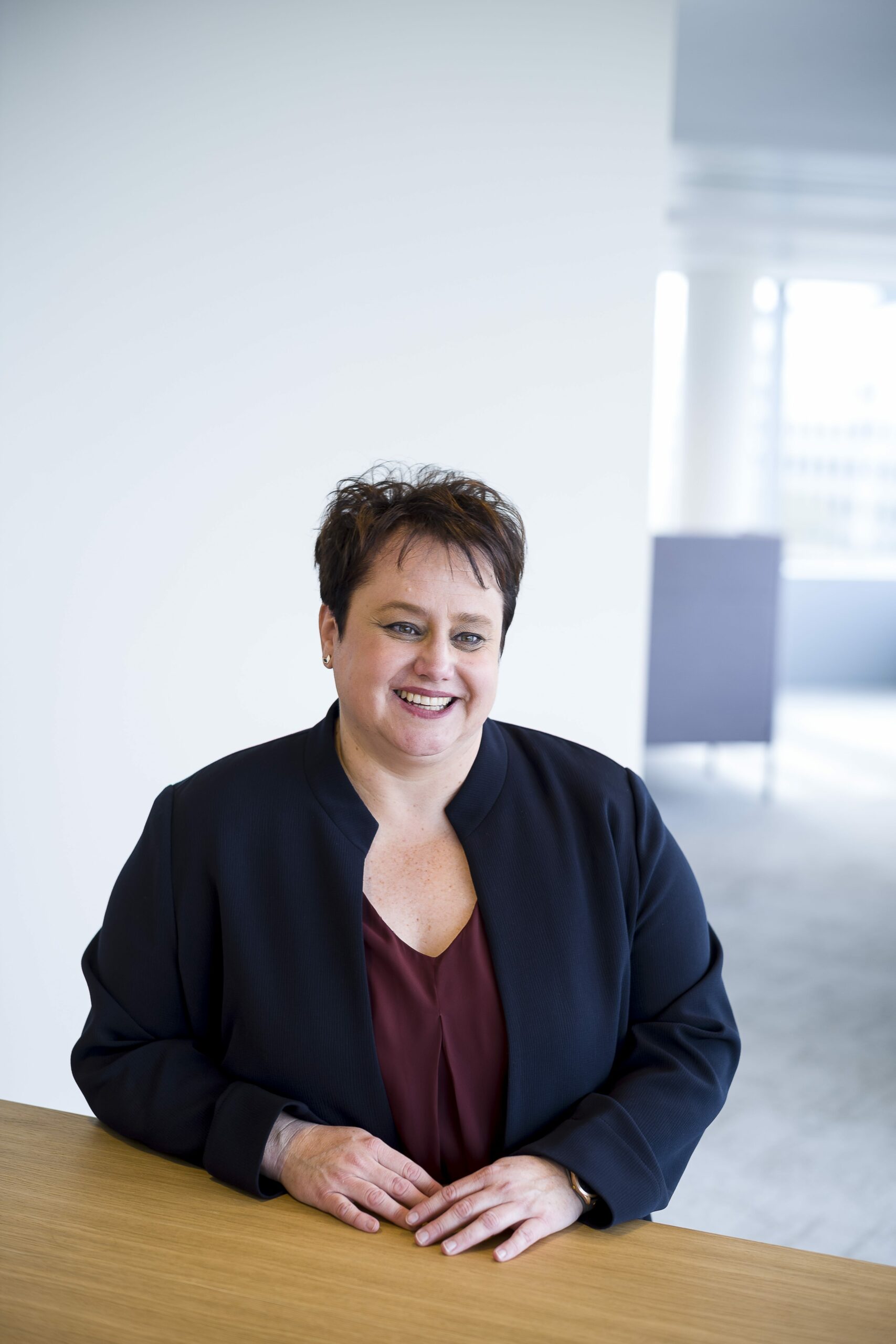
Sustainability at SYSTRA is no longer just an ambition: it has become a reality. And we have the resources and solutions to have a positive impact on the projects we implement to continue to make the difference.
Christelle Chichignoud, Sustainability Director
2022 Sustainability Report
Find out how SYSTRA makes a difference, and our vision of sustainability:
SYSTRA Appoints New Regional DirectorsAll three join the extended SYSTRA ANZ Executive Leadership Team and will accompany Chris Hurst and Jackson Tang who will continue in their roles as Regional Directors for Queensland and Western Australia.
“Following on from the success of 2022, we are determined to keep growing and expanding the SYSTRA story into new target areas”, says Alana Newbrook, CEO & Managing Director of SYTRA ANZ.
The appointments of Sandra, Elliot and Trevor will help ensure SYSTRA is there where it matters, on the complex projects with the greatest impact.


Alana adds, “Having Regional Directors in each state will support the business as we look to grow our reputation as the signature team for transport solutions with new clients while also offering existing clients outstanding project delivery expertise. Sandra, Elliot and Trevor will also play a critical role internally, helping us enhance our culture and embed our values of bold leadership, connected teams and excellence into our growing team.”
“I am thrilled to take on the extra responsibility as the Regional Director for New South Wales,” said Sandra. “I’m excited to work alongside all our talented professionals in the region to positively enhance our culture and to deliver world-class infrastructure solutions for our clients.”
“Victoria is a critical growth area for the business,” says Elliot. “With so much opportunity at hand, I’m looking forward to helping grow our team and embedding our technical expertise into some of the country’s largest infrastructure projects.”
“I am excited to get started as the Regional Director for the ACT. Along with the recent hire of Andrew Waye as the Director of Security and Technology Solutions who is also based in Canberra, the team is primed for substantial growth into Federal Government Agencies,” says Trevor.
Sandra Lang
Sandra’s professionalism and expertise is based on more than 30 years practicing Digital Engineering in the international construction industry. The spectrum of projects she has worked on includes rail and airports as well as the commercial sector.
Since joining SYSTRA in 2020 she has worked on some of the major global transport projects such as the High-Speed Rail in the UK, the Doha Metro in Qatar and the Sydney Metro West project.
Sandra holds a Master of International BIM Management of Zigurat Global Institute of Technology.
Elliot Ali
Elliot has helped to deliver projects in rail, aviation and defence across Europe and Australasia, including leading major projects and government initiatives. Focussed on large, mission critical and safety critical problems, he has built and led teams to deliver multi-billion dollar projects, keeping business, operational, and commercial strategies aligned.
These experiences have allowed him to explore avionics bays and cockpits, work in airfields, walk tube lines, represent London Underground during the Olympics, authorise a $10bn rolling stock procurement, and oversee transformational changes to engineering departments. Elliot started with SYSTRA in 2022.
Trevor Garnett
Trevor is a skilled and competent project, program and business operations Manager with over 30 years’ experience in Defence and Defence Industry. He has extensive experience especially in the aviation domain having been involved in Aircrew/craft Training systems, Maintenance Systems and Avionics systems for both fixed and rotary wing platforms as well as aviation support elements. He leverages his technical understanding to attain better accuracy in his project management materials. Trevor has been with SYSTRA since 2018.
About SYSTRA:
SYSTRA ANZ’s mission is to be there where it matters; on the complex projects with the greatest impact, providing innovative solutions that will shape the future of our communities. As one of the world’s leading engineering and consulting groups, we are focused on building tomorrow’s mobility solutions today. Operating in more than 80 countries, we have designed 1 in 2 of the world’s metros and highspeed rail lines. The ANZ team is an integral part of part of our global network, backed by 9000+ experts, providing us the unique ability to be agile with global scale.
SYSTRA wins EIIP role with Sydney TrainsOn behalf of Sydney Trains, SYSTRA will be focusing on the Remote Switching part of EIIP fulfilling a highly specialised service. As part of the project scope, SYSTRA will design, type approve, and construct and commission the integrated remote switching system.
Helen Williams, Executive General Manager – Transport, SYSTRA says, “SYSTRA has forged a reputation as the signature team for transport solutions and this project exemplifies that. We want to be the go-to for clients looking to resolve complex challenges and to bring direct benefits to the communities we live and operate in.”
The Remote Switching capability has been developed to address two key challenges. First is to accommodate a safer and more productive maintenance schedule for rail corridor assets to maintain safe operation. The second is to reduce the impact on commuters if a power outage is required in case of an emergency.
The project aims to deliver safer and more improved electrical power outages on the 1500V Overhead Wiring and High Voltage networks. More specifically, the project will deliver benefits such as:
- reducing the need for people to be in the danger zone and exposed to hazards
- maximising possession time and reducing isolation time
- improving emergency responses to incidents, by decreasing the time taken to isolate/reinstate
This project will commence with an off-system trial.