 Australia
  Brazil
  Canada
  Chile
Chile  China
China  Columbia
  Denmark
  Egypt
Egypt  France
  India
India  Indonesia
  Ireland
  Italy
Italy  Malaysia
  New Zealand
  Norway
  Panama
  Peru
Peru  Poland
  Portugal
  Saudi Arabia
  Singapore
  South Korea
  Spain
Spain  Sweden
  Taiwan
  Thailand
  Türkiye
  United Kingdom
  United States
  Vietnam


Sustainability is at the heart of the growth strategy and collective commitments of SYSTRA. As a transport engineering firm, we strive to benefit both populations and territories by shaping mobility solutions that respect the environment and serve future generations.
This vision relies on the richness of our talents and the diversity of our professions and cultures. Driven by engaged and connected teams, our commitment to sustainability enhances the success of our projects, their social and environmental acceptability, and maximises their positive impact on communities.
Our Sustainability Report 2025
SYSTRA is publishing a transitional, voluntary and targeted Sustainability Report for the year 2025, anticipating the European Corporate Sustainability Reporting Directive (CSRD) without yet being subject
to it.
By publishing this report, SYSTRA reaffirms its determination to align economic performance with environmental and social impact, in a spirit of anticipation and continuous improvement. This choice is a commitment: to report, with rigor and clarity, on the value we create and the transformations we are driving to accelerate the transition of mobility systems and territories.
It is essential to demonstrate alignment between our commitments, our practices, and our achievements. Demonstrating this through evidence means being able to illustrate, project by project, what contributes to a positive impact: the missions performed, the technical solutions implemented, and the indicators embedded in project management. This approach makes sense both for our employees, who want to showcase pragmatic results of their expertise, and for our clients, who are reassured by tangible outcomes. This is how we anchor sustainability in the day-to-day practice of our business operations.
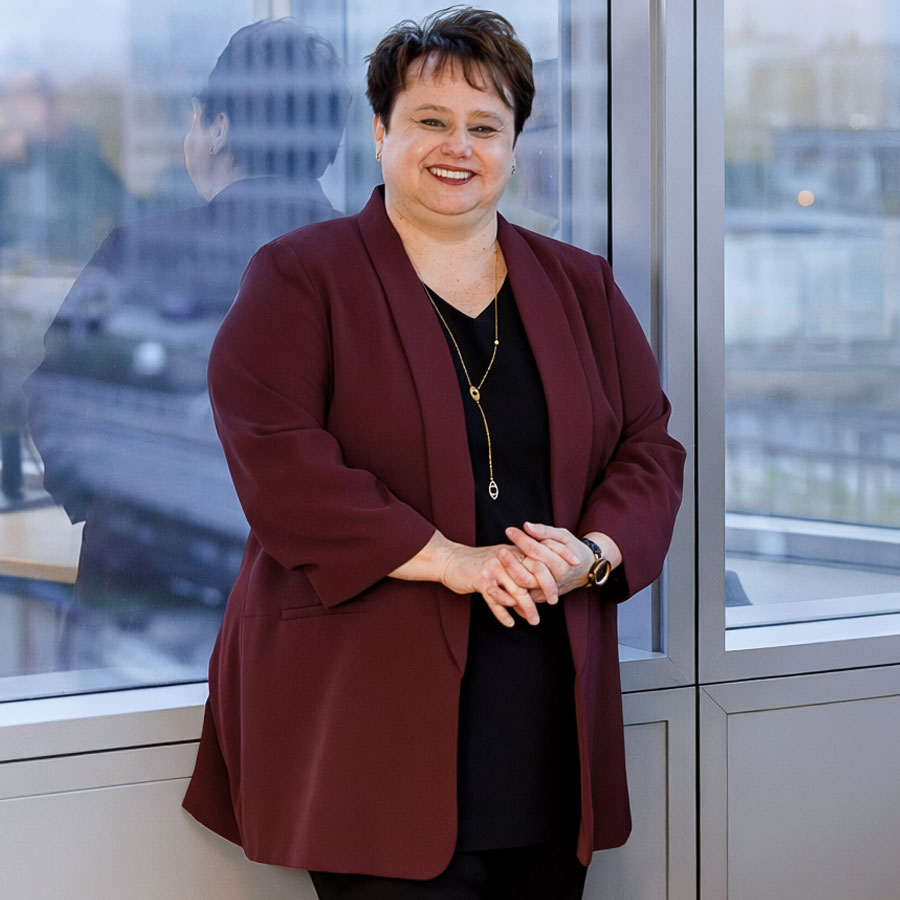
Christelle CHICHIGNOUD, Vice-President Group Sustainability
Our dedicated service offering
We have structured a dedicated offering that brings together expertise in sustainable design, climate, resilience, energy transition, and environment, and mobilises civil engineering, urban planning, and systems disciplines. This is where our uniqueness lies: making sustainability a business-oriented value-add, carried by all our disciplines and creating a positive impact on projects.
Climate and Resilience
SYSTRA’s key challenge lies in integrating—from design through to operations—physical and transition climate risks that may affect the performance, costs, timelines, and availability of infrastructure. SYSTRA conducts multi-hazard climate risk and vulnerability assessments to enable its clients to anticipate investments and make informed adaptation and mitigation strategy choices.
A few examples that demonstrate our expertise
Tanzania
Develop bioclimatic design
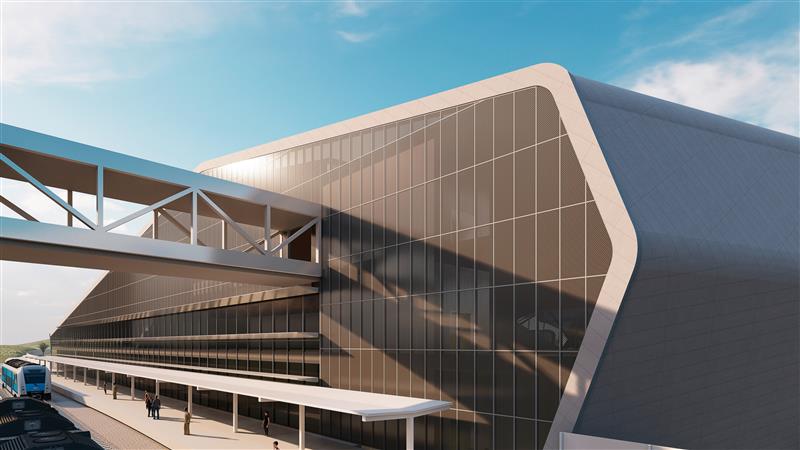
Envisaged as a sustainable model integrated into its open environment, the Mwanza station project in Tanzania fully embraces the principles of bioclimatic design and effective water management. Throughout the design phase, our experts sought to minimise the station’s environmental impact and reduce the use of drinking water by using – for example – permeable surfaces to promote the replenishing of the water tables and natural management of rainwater. This approach effectively manages run-off and helps mitigate the urban heat island effect. Our experts have also given preference to using indigenous plants for the project’s landscaping. This encourages biodiversity and reduces irrigation and fertilisation requirements.
Climateviz
A data visualisation tool to inform climate risks
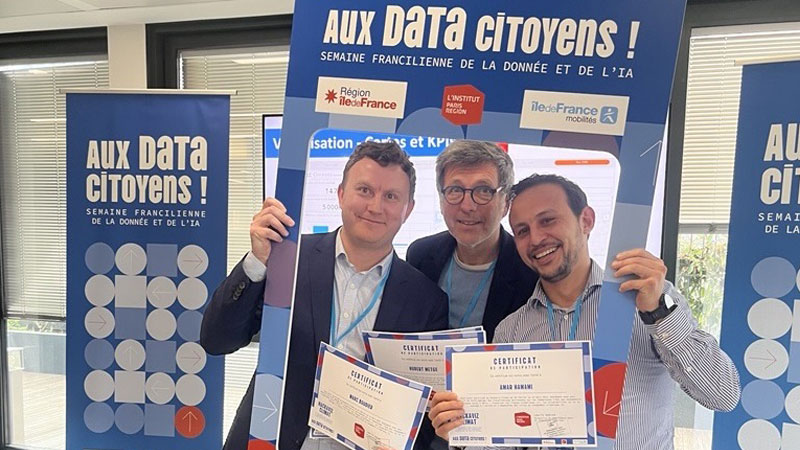
SYSTRA won second prize in a collaborative hackathon focused on visualising the effects of climate change. The ClimateViz web application, designed in a record time of three weeks by a team of five experts from SYSTRA SA and SYSTRA France, enables users to identify an infrastructure’s vulnerabilities to climate hazards, anticipate how these vulnerabilities may evolve under future climate conditions based on historical data, and pinpoint vulnerable assets that may require adaptation measures. Today, ClimateViz strengthens our service and solution offering for climate change adaptation and infrastructure resilience.
Sustainable design and construction
Sustainable design and construction mobilise all disciplines and assessment tools for carbon, energy, water, and circularity, and integrates measurable criteria to reduce emissions, optimise resources, and strengthen asset resilience, while ensuring safety and quality of service.
A few examples that demonstrate our expertise
India
Teams committed to reducing carbon and environmental impacts
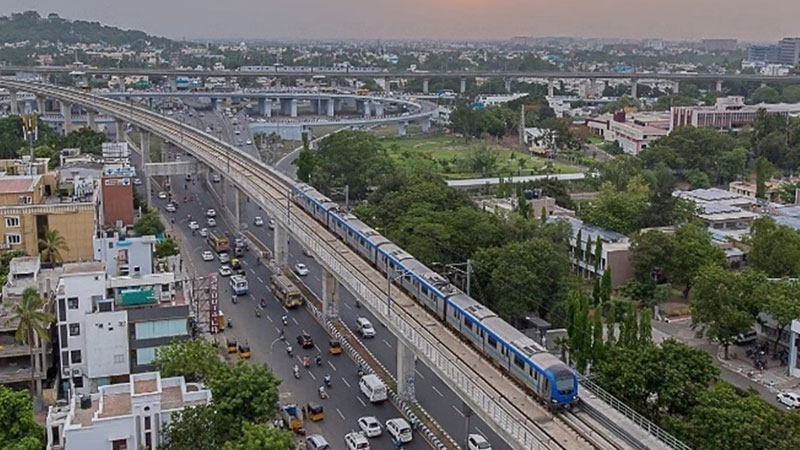
The carbon footprint of a project is mostly determined from the design phase. In India, our teams have set an ambitious goal to reduce the carbon footprint of their projects by an average of 10% through the implementation of sustainable design and construction with our digital solution Carbontracker. This objective was achieved with the proactive deployment of this approach involving around 400 people.
United Arab Emirates
Promoting energy efficiency in desert surroundings
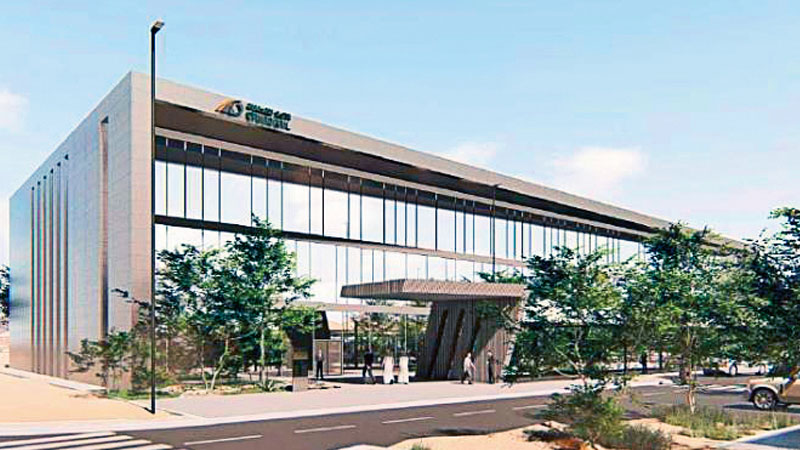
The Etihad Rail project seeks to improve transport and connectivity in the United Arab Emirates between now and 2024. The goal? Design modern trains and suitable maintenance facilities, while reducing energy consumption by 17%. The technical solutions used include CO2 sensors for ensuring optimum air quality and making minimum use of water, as well as passive strategies, such as using shadowing and high-reflective materials for thermal comfort. The project also gives preference to recycled materials, thus reducing waste. A vulnerability assessment was conducted to anticipate specific local conditions and increased climate risks.
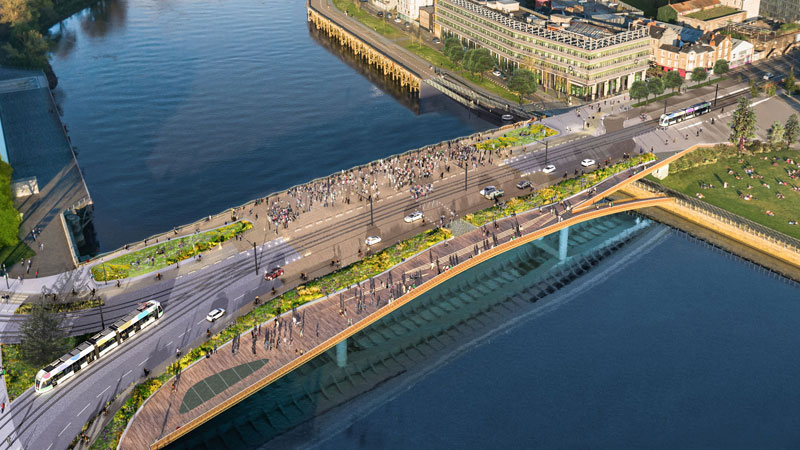
France
Transforming the Anne-de-Bretagne bridge
The Anne-de-Bretagne Bridge project in Nantes includes a significant sustainable design and construction component, with the emphasis on planted areas and biodiversity, making economic use of resources and reducing the impacts of the construction phase. By transforming a road bridge into a multifunctional area, an ecological link is created across green spaces and climate challenges are addressed. The approach used involves reusing materials and procuring them via the river, and logistics that minimise disruption. Reusing the existing bridge avoided having to destroy 4,250 tonnes of concrete and 1,300 tonnes of steel, thus preventing 6,000 tonnes of CO2 equivalent from being released.
Energy Transition
SYSTRA supports the energy transition of the transport sector by promoting sobriety and efficiency, system electrification, and the integration of renewable energy. Leveraging a broad portfolio of projects and multidisciplinary expertise, we help our clients define a pathway to low carbon or net zero operations, ensure the continuity of operations throughout the transition, and optimise transport system infrastructure and energy efficiency.
A few examples that demonstrate our expertise
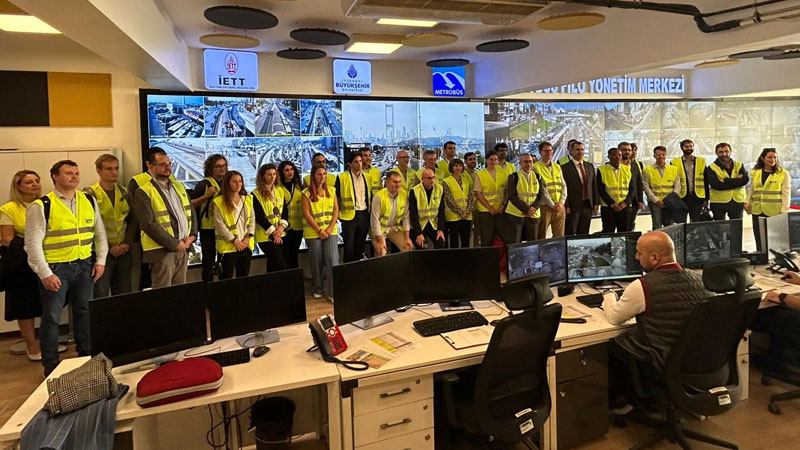
EBRT2030
SYSTRA is boosting bus electromibility in Europe
SYSTRA is contributing to the European project eBRT2030 (Bus Rapid Transit), the aim of which is to reduce emissions and congestion and move towards sustainable zero-emission forms of transport. Within the international association of public transport UITP-led cluster, we will help demonstrate the utility of a new generation of high service level electric bus systems and provide cost-effective automation and connectivity solutions. This project, funded by the European Commission and involving more than 45 partners, will shape the future of electromobility across the European public transport sector.
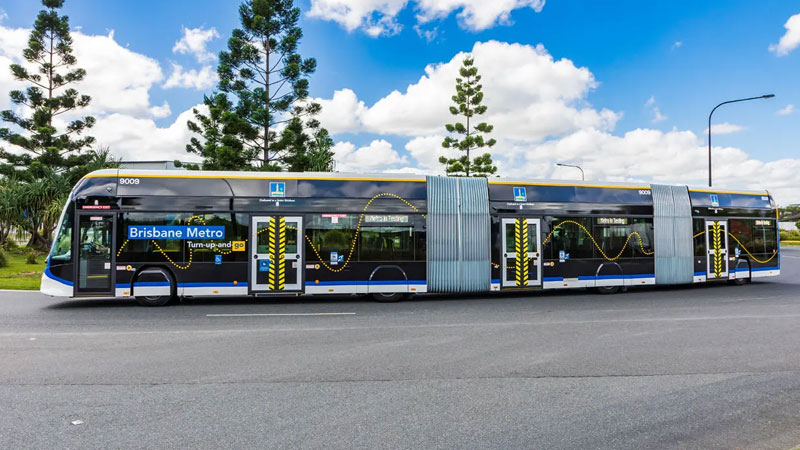
Australia
Contributing to the rollout of Brisbane’s electric bus network
Brisbane has inaugurated the M2 line of its Bus Rapid Transit network, operated with electric buses. Following the M1 line commissioned in early 2025, this new line strengthens the Metro Route network. SYSTRA Australia’s teams contributed to rolling stock technical specifications, bid evaluation, driver training, and the deployment of the operations support system. Ultimately, the network will comprise four lines and carry up to 45 million passengers per year.
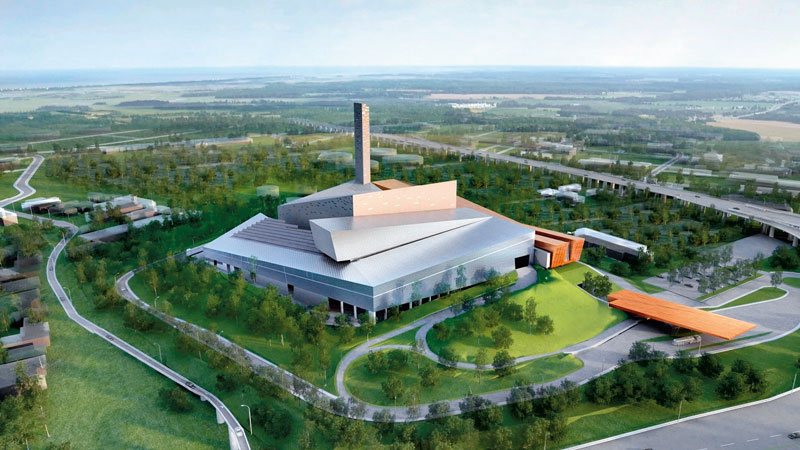
Italy
Producing local energy from waste
SYSTRA Italy is involved in designing two waste-to-energy plants in Sicily, addressing a structural waste management challenge on the island while strengthening local electricity production. SYSTRA’s teams are conducting technical and economic feasibility studies, as well as geological studies, ahead of construction phases planned between 2027 and 2028. Ultimately, the two facilities will process 300,000 tonnes of waste per year, generate up to 50 MW of power, and produce around 200,000 MWh of electricity annually.
Environmental Services
For infrastructure projects with a potentially significant impact on natural environments, the climate, and quality of life, the systematic integration of environmental considerations enhances performance, resilience, and social acceptability, supporting a mobility that is sustainable and technically, economically, and socially viable.
A few examples that demonstrate our expertise
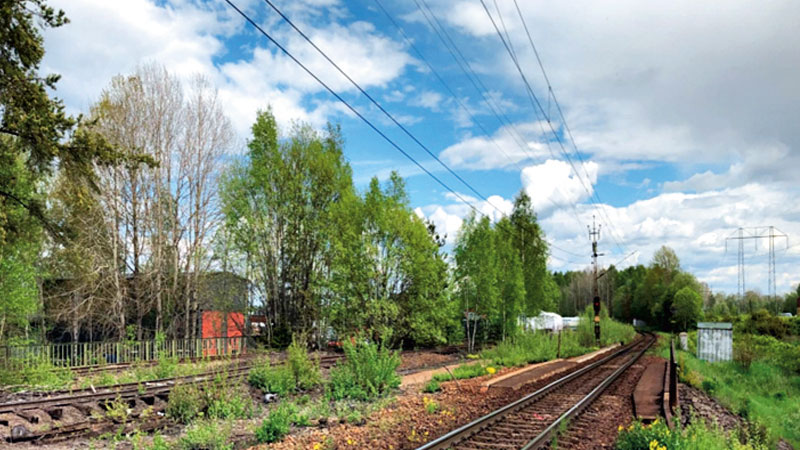
Sweden
Applying the “No net loss” principle on a rail project
The ‘No Net Loss’ principle has become a prerequisite for obtaining building permits: each rail infrastructure project must demonstrate no net loss for biodiversity. To this end, a baseline assessment is carried out before the project starts, with precise observation and quantification of each area within the study perimeter using a codified scoring system, in order to compare the end-state to the baseline. At their client’s request, SYSTRA Sweden applied this methodology to the project to double rail capacity on the Krylbo–Dalslund link, northwest of Stockholm. The lessons learned were presented on International Day for Biological Diversity during a Group webinar to raise team awareness of biodiversity protection issues.
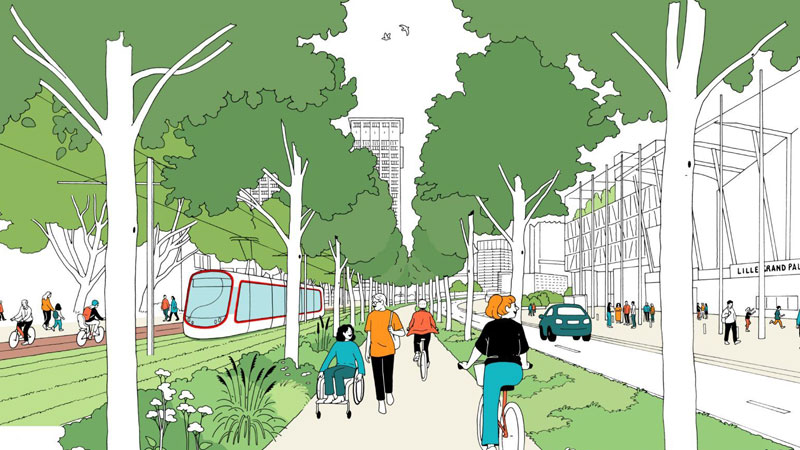
France
Environmental performance serving regional transformation
SYSTRA is involved in 4 of the 7 project management contracts launched by the European Metropolis of Lille. Developed with a comprehensive sustainable design and construction approach that will lead to High Environmental Quality (HQE) Sustainable Infrastructure certification, the Extramobile programme is structured around 4 new public transport lines (2 trams and 2 Bus Rapid Transit lines), along with 2 maintenance and storage sites (MSS) for the tram lines, and a project management mission for all operating systems common to the tram and bus lines.
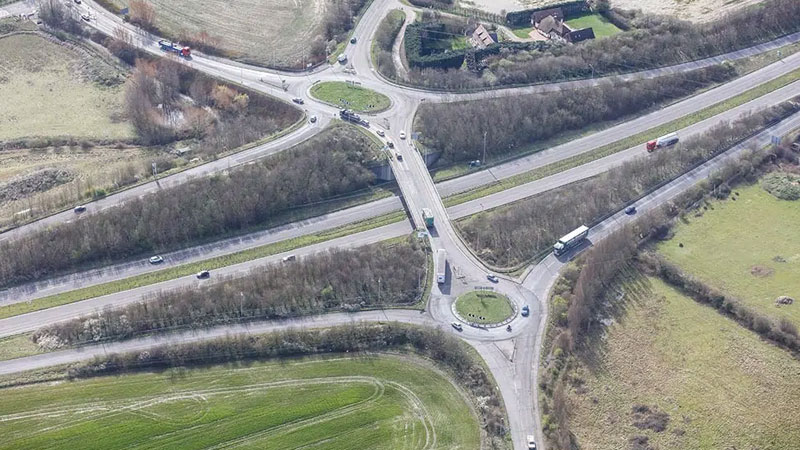
United Kingdom
Grovehurst Road, net gain in biodiversity, a reality
The improvements to the Grovehurst Road interchange are designed to reduce traffic jams and support Kent’s growth. By adopting a holistic approach to managing the landscape and ecology, the project is breaking new ground in achieving not only zero negative ecological impacts but an impressive 15% net gain in biodiversity. The solutions put forward include the creation of indigenous wooded zones – which serve as habitat for local wildlife, including bats. Rainwater is also innovatively managed.
Our digital solutions for climate action
Our expertise and service offerings are supported by digital solutions developed internally, several of which are directly related to sustainability challenges.

Optimise your infrastructure project carbon footprint at every stage.

Anticipate climate change trends faced by your infrastructure.
Visualise the vulnerabilities of your infrastructure to climate change.
Our commitments
As key players in the design and delivery of infrastructure projects, we can integrate and promote the principles of sustainability at every stage of our operations.
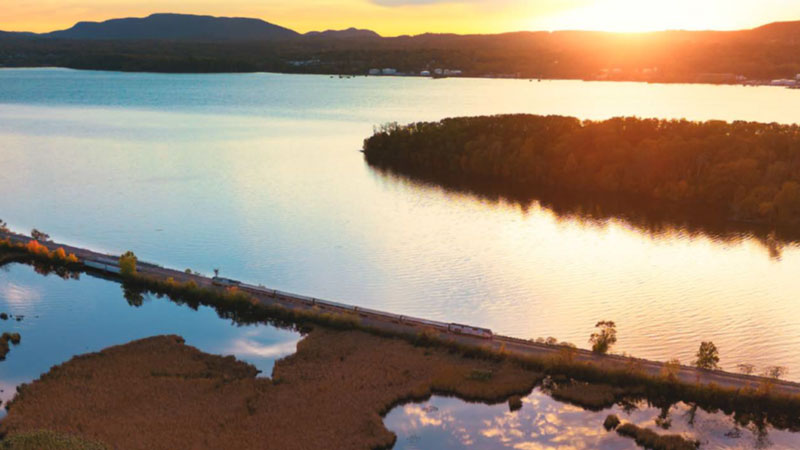
Take action for climate and the environment
We place decarbonisation, resilience, and sustainable design at the heart of our mobility projects, leveraging our engineering expertise from the earliest stages and throughout the asset lifecycle, to propose tangible, measurable solutions.
Commit to communities and territories
Being useful to communities and territories is the driving force behind the Group’s commitment and that of its employees, who put their engineering expertise at the service of all. This momentum is amplified by solidarity and volunteering initiatives carried out locally around the world.
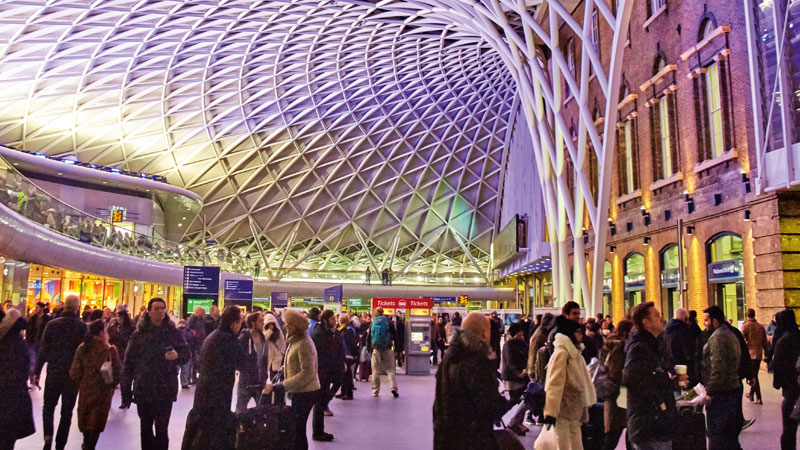

Build with our employees
At the heart of our corporate responsibility, we place the health, safety, and security of our employees first. We also pay close attention to the recruitment and integration of new teams, while making diversity, equity, and inclusion drivers of excellence for our projects and sources of trust for our clients and partners.
Progress with our clients, partners and shareholders
Innovation, ethics, and cybersecurity are at the heart of our performance: they strengthen our competitiveness, create value for clients and local communities, and underpin the trust of our partners and stakeholders.
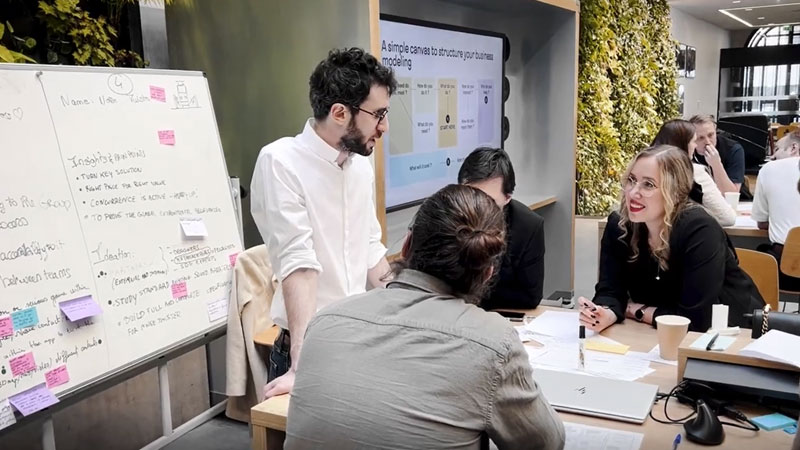
Sustainability Policy
The Sustainability Policy turns sustainability principles into an operational reference framework for the entire Group. It guides the way SYSTRA designs, plans, and delivers transport projects to actively contribute to ecological transition, aligning technical and strategic choices with climate objectives, resource preservation, and community well-being.
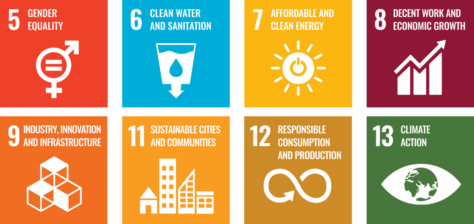
Our contribution to the UN Sustainable Development Goals (UN SDGs)
Our activities have a major impact on 8 of the 17 Sustainable Development Goals defined by the United Nations. We therefore focus our efforts on these goals: