 Australia
  Brazil
  Canada
  Chile
Chile  China
China  Columbia
  Denmark
  Egypt
Egypt  France
  India
India  Indonesia
  Ireland
  Italy
Italy  Malaysia
  New Zealand
  Norway
  Panama
  Peru
Peru  Poland
  Portugal
  Saudi Arabia
  Singapore
  South Korea
  Spain
Spain  Sweden
  Taiwan
  Thailand
  Türkiye
  United Kingdom
  United States
  Vietnam


Critical systems for safer, higher-capacity and more efficient transport networks
Signalling, train control and communications systems are central to the performance of transport networks. They control routes, protect train movements, supervise operations and transmit critical information between trains, trackside equipment, onboard systems and control centres.
SYSTRA supports operators, infrastructure managers and transport authorities in the design, modernisation and migration of these systems, across railways, metros and guided transport networks, on both new lines and operating networks.
On this page
Key points
- Signalling, train control and communications systems are key to the safety, capacity and quality of service of transport networks.
- The sector is undergoing three major global transformations: driving automation, deployment of ERTMS/ETCS, and preparation for FRMCS.
- SYSTRA covers the full chain: signalling, train control systems, automation, critical communications, supervision, integration and migration.
- Our teams work worldwide, in highly diverse technical, operational and regulatory contexts.
Three transformations shaping transport systems
Automation, ERTMS and FRMCS are changing how transport networks are operated, supervised and connected, creating new opportunities for capacity, reliability and service performance.
Automation: operating networks with greater precision
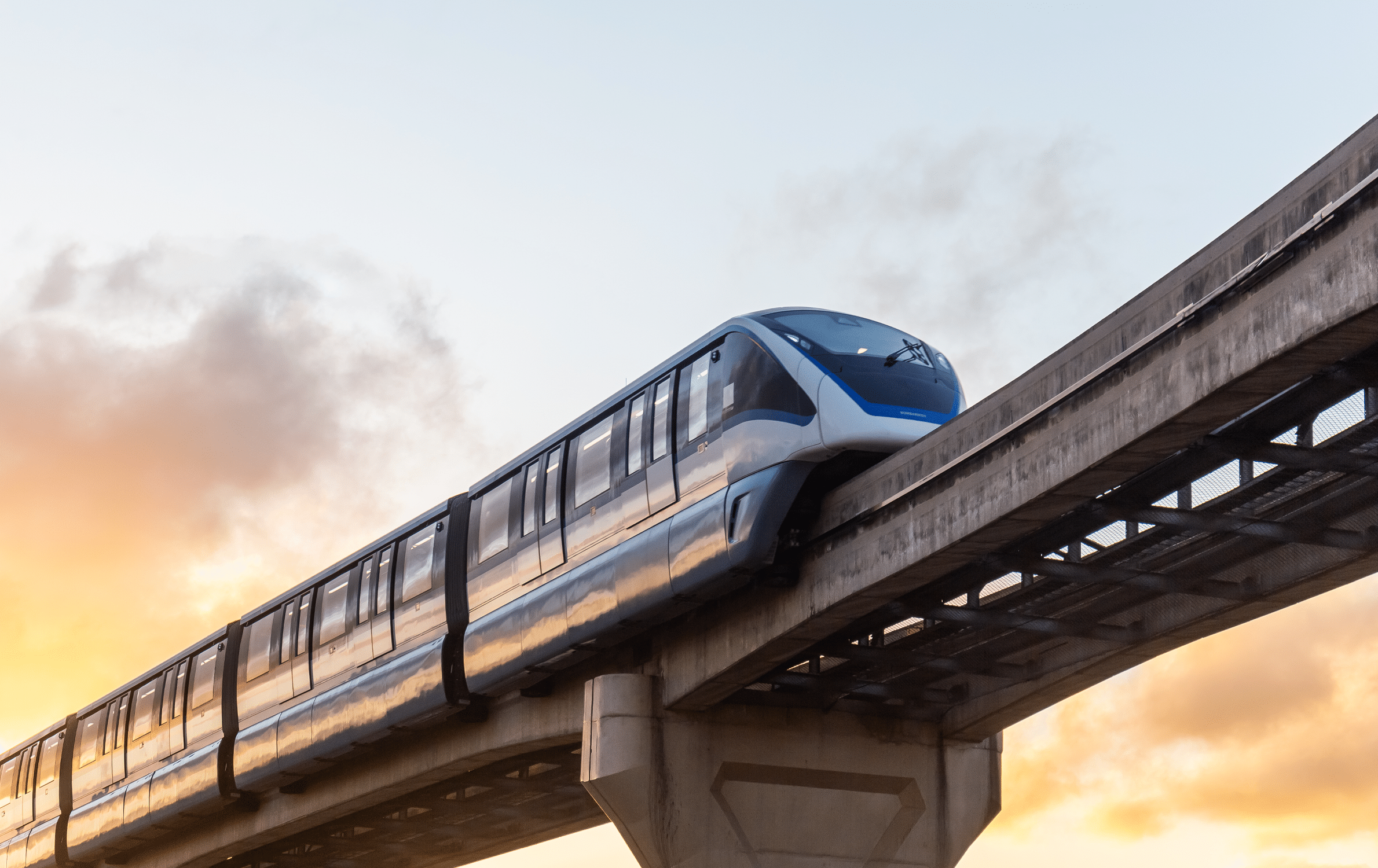
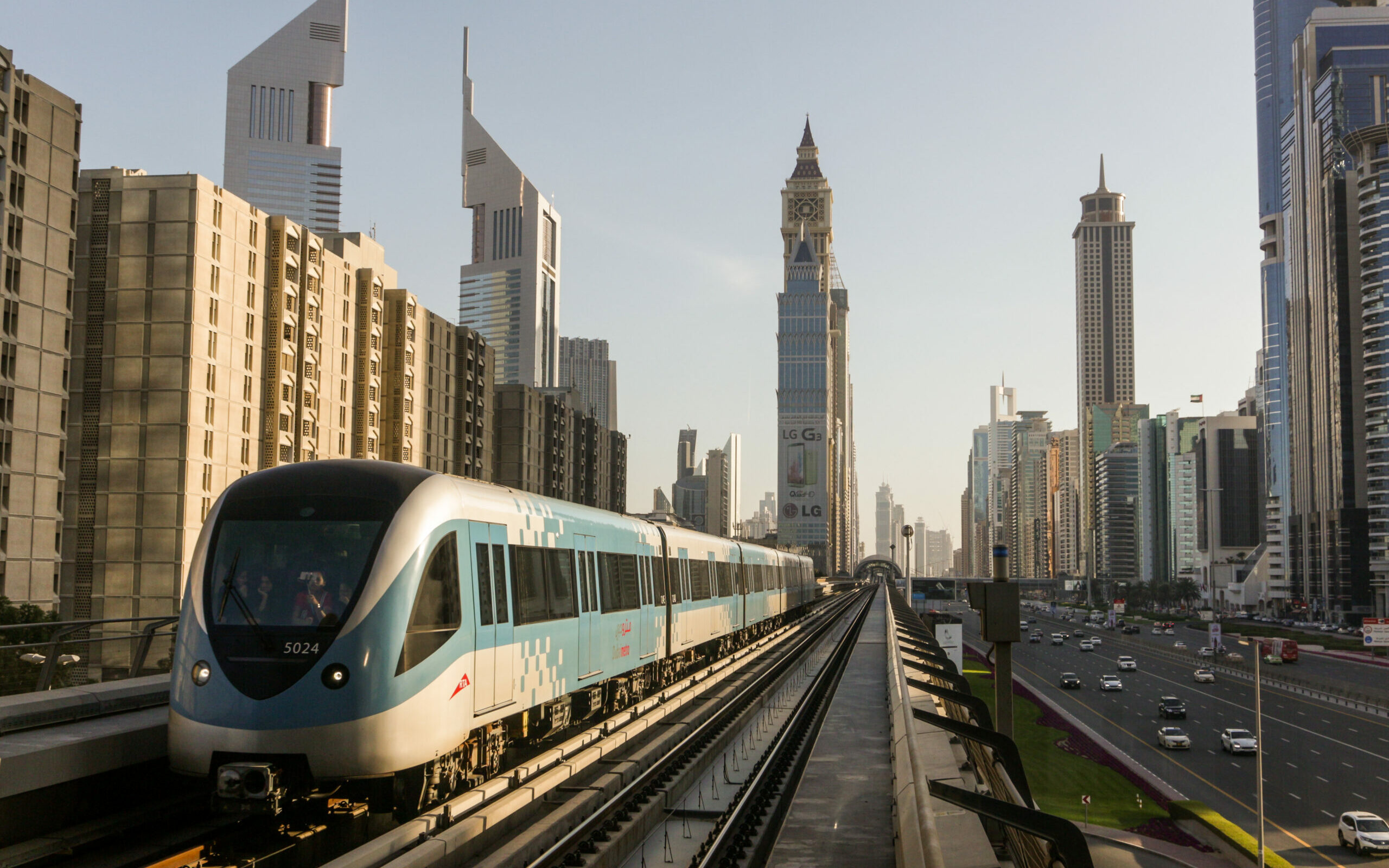
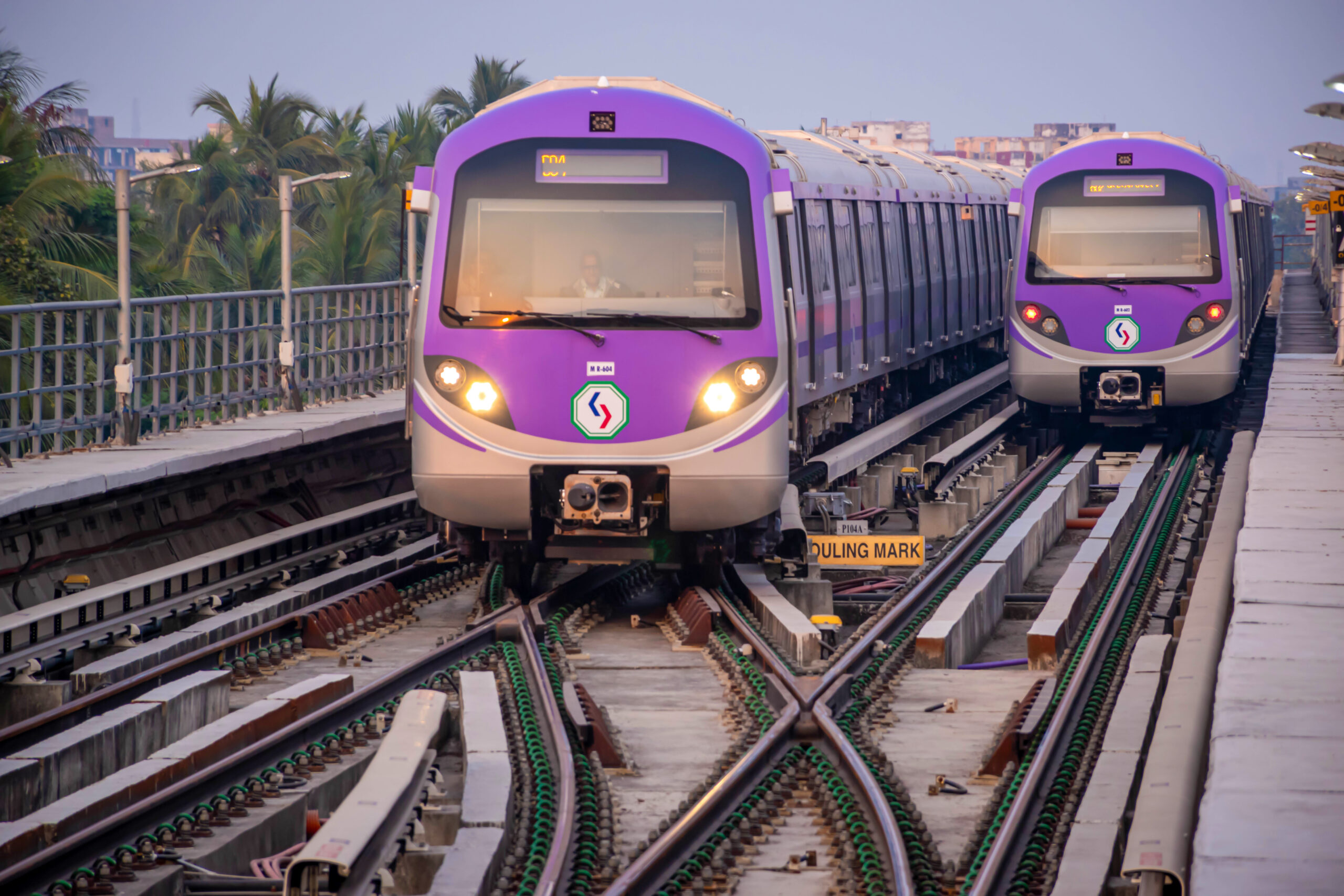
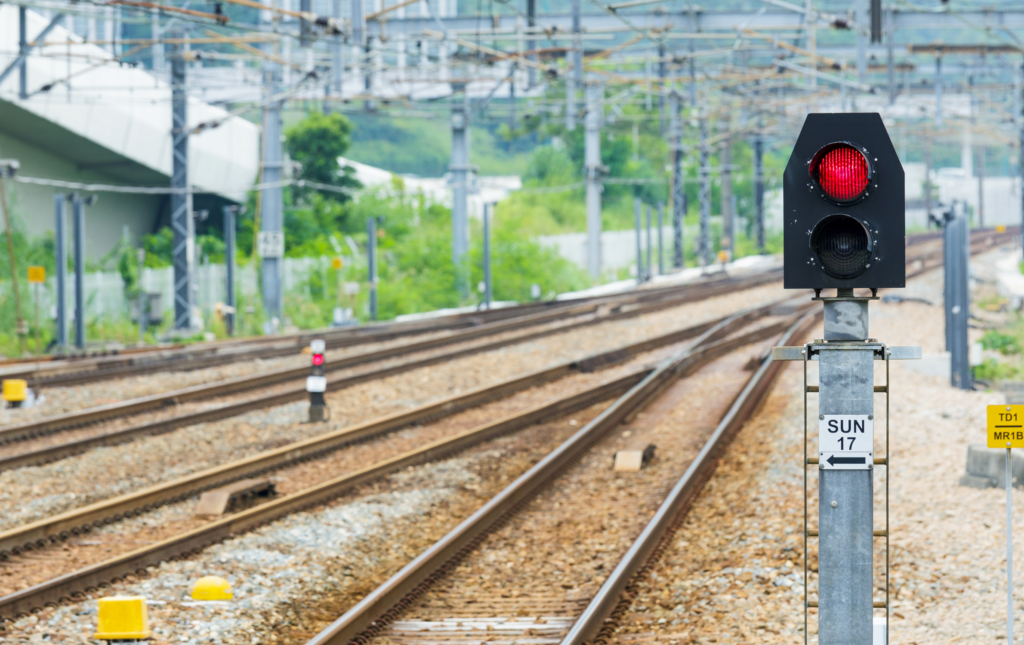
Automation is transforming how trains are driven and networks are supervised. In metro systems, CBTC — Communication-Based Train Control — enables precise train localisation, shorter headways and more regular operations. Depending on the level of automation, these systems can support the driver, automate specific functions or enable driverless operation.
ERTMS: strengthening interoperability and modernising train control
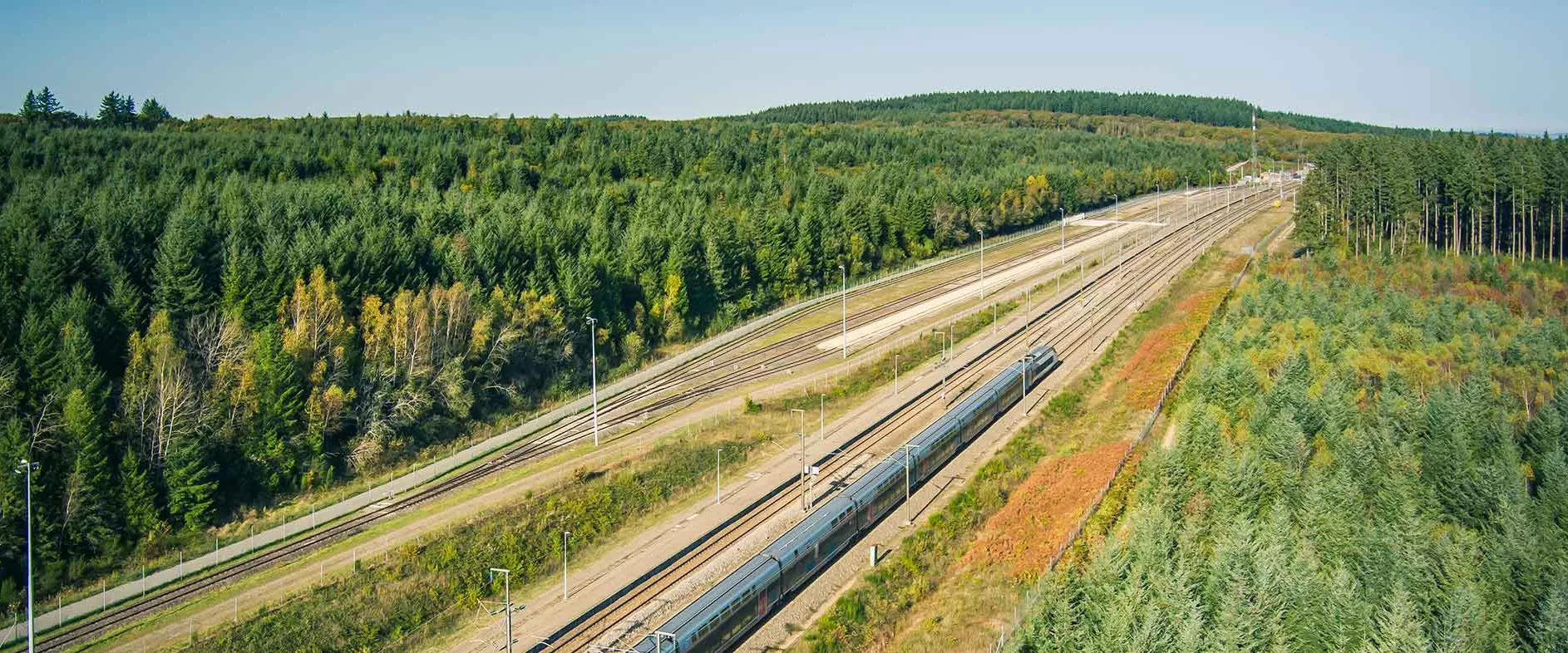
ERTMS — European Rail Traffic Management System — is a reference framework for railway signalling and train control. Developed in Europe, it is now used in many regions of the world for high-speed, freight, cross-border interoperability and existing line modernisation projects.
Its main component, ETCS — European Train Control System — supervises train movements and transmits the information required for safe operation to the driver or onboard system: movement authorities, speed limits and braking distances. The transition to ETCS Level 2 is a major step: it strengthens cab signalling and uses radio communications to transmit critical information between trackside systems and trains.
Its deployment involves trackside equipment, rolling stock, interlockings, telecommunications, control centres, operating rules, testing, training and safety authorities.
FRMCS: preparing the next generation of railway communications
FRMCS — Future Railway Mobile Communication System — is expected to replace GSM-R on railway networks globally starting in 2035.
FRMCS will carry critical voice and data communications, support ETCS-related use cases, strengthen network resilience and enable new digital services such as real-time supervision, predictive maintenance, video surveillance, passenger information and operational applications.
Preparing for FRMCS means anticipating operational needs, migration scenarios, available spectrum, radio coverage, cybersecurity, fallback solutions and coexistence with existing systems.
Our areas of expertise
From early-stage studies to commissioning, SYSTRA supports the systems that control, automate and connect railways, metros and guided transport networks.

Signalling, train control and automation
SYSTRA supports clients across the full lifecycle of signalling, train control and automation systems: early-stage studies, requirements definition, design, procurement support, integration, testing, commissioning and migration.
Our teams work on mainline, high-speed, metro, tramway, freight and mixed-traffic systems.
Our expertise covers:
- Signalling and train protection systems: ERTMS, ETCS, CBTC, ATP — Automatic Train Protection —, cab signalling, interlockings and signalling control systems;
- Supervision and automation systems: ATO — Automatic Train Operation —, ATS — Automatic Train Supervision —, traffic management, SCADA — Supervisory Control and Data Acquisition — and operational control centres, referred to as PCC or OCC depending on the context;
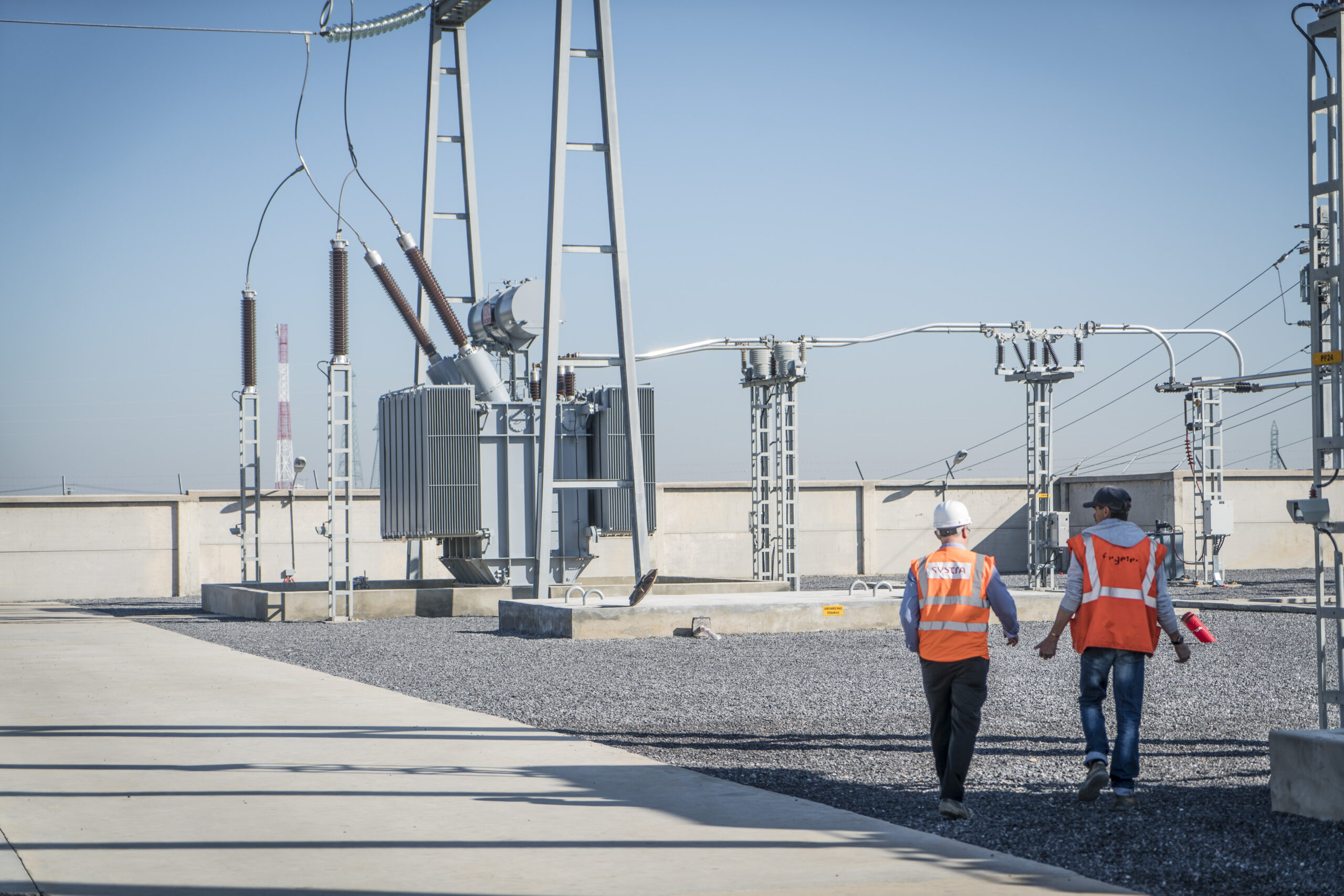
- Interfaces between signalling, telecommunications, rolling stock, power supply, operations and maintenance;
- Migration, testing and commissioning strategies for new and existing networks.
Our approach helps secure technical choices, control interfaces and ensure that the systems delivered meet real operational needs.
Associated references
Critical communications for rail and urban networks
Critical communications support essential operational functions: ground-to-train communications, signalling data, supervision, video surveillance, passenger information, safety communications, transmission between equipment and real-time data flows.
SYSTRA supports clients in defining, designing, integrating and migrating critical communications networks for railways, metros and guided transport systems.
Our expertise covers:
- Radio networks: GSM-R, TETRA, LTE, Wi-Fi and FRMCS for communications between trains, trackside equipment and control centres;
- Fixed networks: fibre optics, IP/MPLS, Ethernet and transmission systems;
- Network coverage, capacity, availability, resilience and cybersecurity;
- Integration with ERTMS, CBTC, control centres and onboard systems;
- Migration strategies from existing systems.
Focus: preparing the transition to FRMCS
For railway networks, the transition from GSM-R to FRMCS must be prepared well in advance. It involves structural decisions on future network needs, migration scenarios, spectrum strategy, coverage levels, interfaces with ETCS, cybersecurity and fallback solutions.
SYSTRA supports this transition from strategic studies through to deployment preparation: existing-system assessment, roadmap, functional requirements, business case, procurement strategy, integration and obsolescence management.
The objective is to enable a progressive, controlled migration that remains compatible with day-to-day network operations.
Associated References
Integration, migration and commissioning
The performance of a signalling, train control or communications system depends on its integration with the wider network.
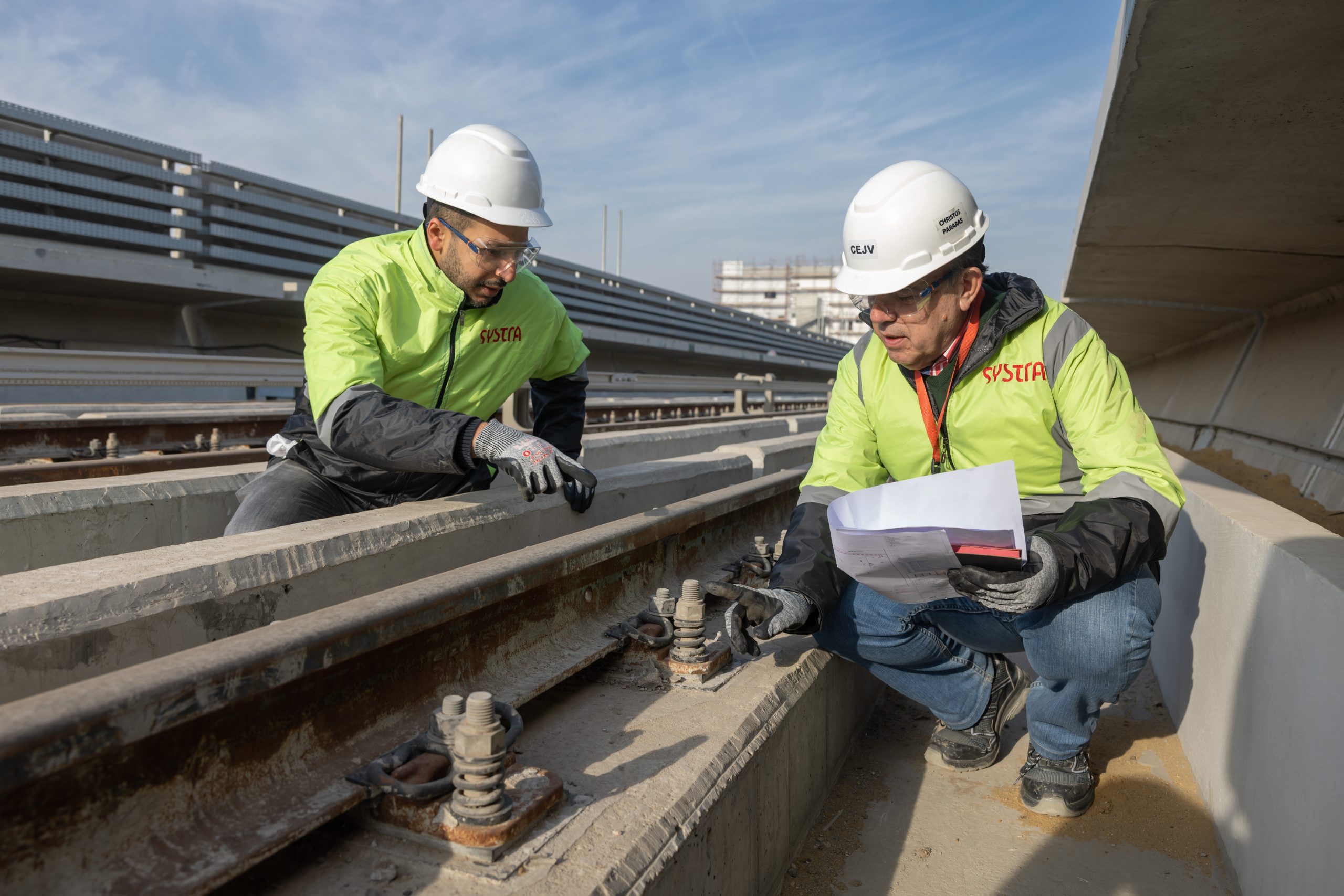
SYSTRA supports clients in interface management, requirements verification, test preparation, commissioning and migration strategies in live operating environments. This approach helps reduce technical risks, control costs and secure the transition to commercial operation.
SYSTRA’s added value
SYSTRA brings together system-wide expertise, international experience and independent advice to help clients make robust choices and manage complex migrations.

A holistic view
SYSTRA works at the intersection of signalling, telecommunications, rolling stock, operations, maintenance and safety. This system-wide view helps anticipate the impact of technical decisions across the entire network.
Control of complex migrations
Modernising a transport system while maintaining operations requires an approach tailored to each context: migration scenarios, phasing, testing, fallback procedures, training, stakeholder coordination and risk management.
SYSTRA supports these key stages across very different networks: high-speed lines, automated metros, dense urban networks, freight corridors, intercity lines and cross-border infrastructure.
Independence from suppliers
SYSTRA helps clients define their needs, compare solutions, prepare procurement processes and secure technical choices. Our approach is guided by safety, performance, maintainability and long-term value for the network.
This independence is essential in projects where decisions will shape operations for several decades.
International expertise, adapted to local contexts
Our teams work in highly varied regulatory, technical and operational environments: Europe, North America, Latin America, Asia, the Middle East, Africa and Australia.
This international experience enables us to transfer best practices from one market to another, while taking local constraints into account.
Get in touch
Are you preparing a systems modernisation project?
SYSTRA can help you define your roadmap, secure your technical choices and successfully migrate your signalling, train control and communications systems.
Talk to our experts
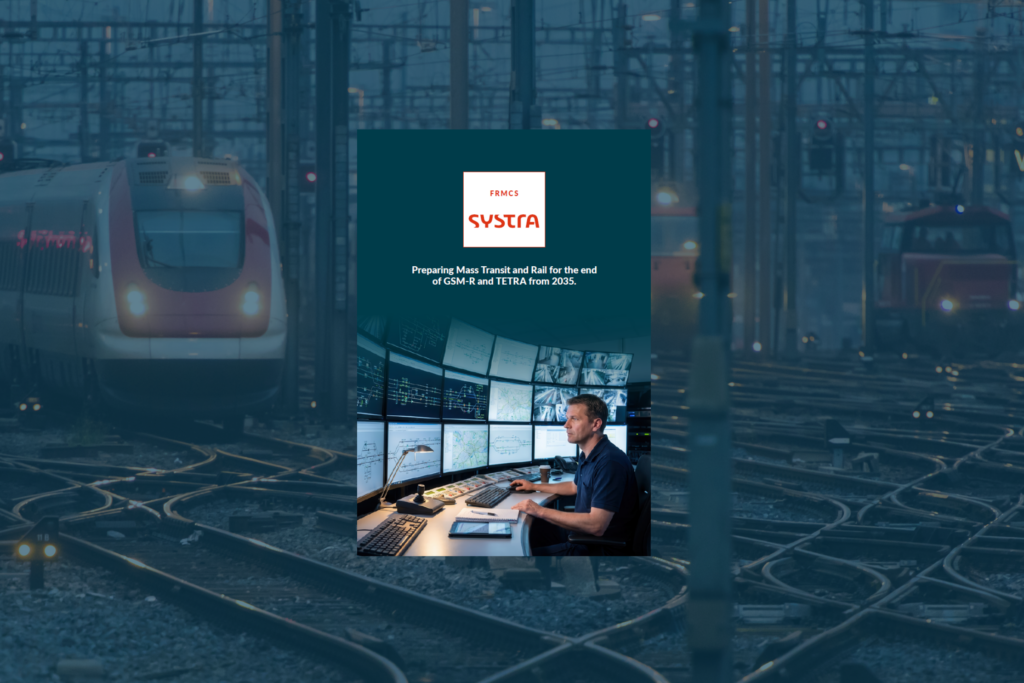
see our frmcs brochure
Preparing Mass Transit and Rail for the end of GSM-R and TETRA from 2035.