
 Australia
  Brazil
  Canada
  Chile
Chile  China
China  Columbia
  Denmark
  Egypt
Egypt  France
  India
India  Indonesia
  Italy
Italy  Malaysia
  New Zealand
  Norway
  Panama
  Peru
Peru  Poland
  Portugal
  Saudi Arabia
  Singapore
  South Korea
  Spain
Spain  Sweden
  Taiwan
  Thailand
  Türkiye
  United Kingdom
  United States
  Vietnam


Our work aids public and private sector clients with improving health outcomes, reducing traffic emissions, improving safety and achieving environmental targets.
Over the last few years, our experts have been involved in numerous cycling-related projects, from devising strategies for cycle corridors to producing detailed designs of cycle routes and monitoring their implementation.
Active modes of transport, such as cycling, are an ever-popular choice due to their sustainable nature and obvious health benefits.
Our people are our business, and we make it our business to look after everyone who works for us. We constantly review our benefits and rewards to ensure they reflect what’s important to our colleagues, embracing a culture of openness and collaboration, and actively engaging with colleagues to find out what matters to them. Our tax efficient cycle scheme is just one of the many health and wellbeing benefits we offer to our colleagues.
So, recently we sat down with some of our colleagues to hear directly from them about their love for cycling and why they’re so passionate about active travel.
Ian Ball, a Modeller in our engineering business, cycles every day he goes in to the office, up to 11kms.

Cycling has a lot of benefits, but for me it is mainly that it’s faster than walking, I can park at the office without a problem every day, it keeps the waistline trim and it’s a low environmental impact way to travel.
Ian Ball, Modeller, SYSTRA Ltd
Jade Bell Duque, Senior Graphic Designer, said she does not cycle “often enough, but next year my daughter starts preschool so I intend to a lot more”.
Jade says “my round trip is barely four miles, but it cuts my journey down by foot a lot and usually cuts the bus journey down too”.
For Jade, cycling has many benefits, including setting a great example for her daughter, who will in-turn help to preserve the natural environment when she’s old enough to travel independently.
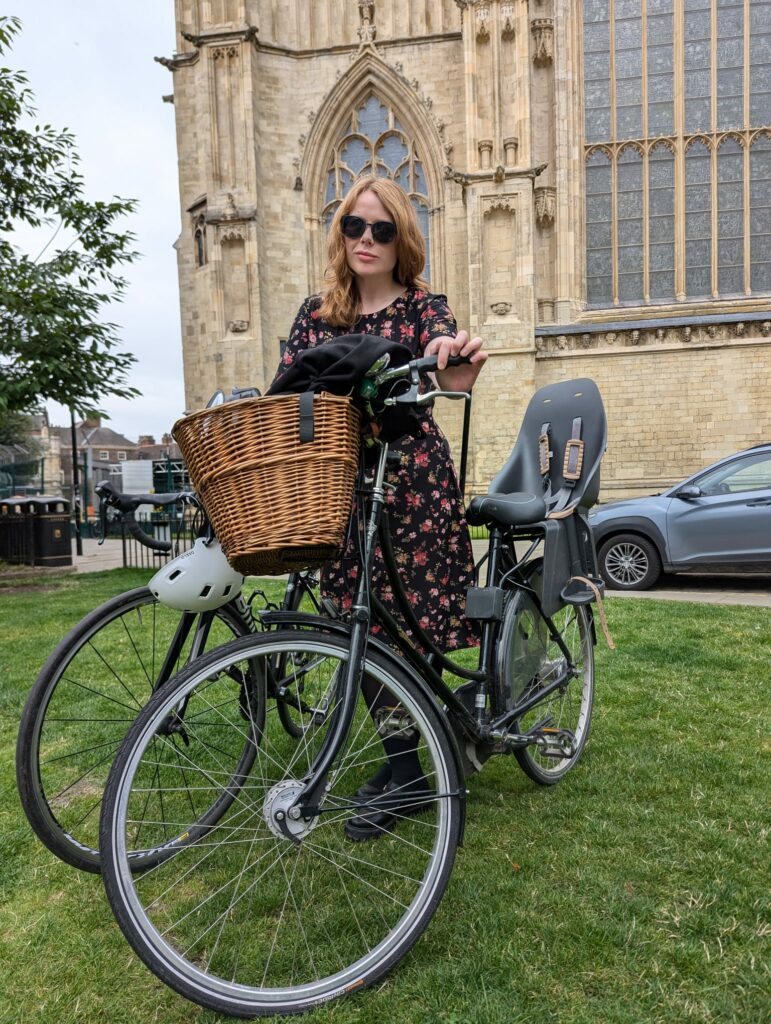
It’s a great social and physical activity – I have seen some really pretty places, alongside great people, that I would have otherwise not seen!
Jade Bell Duque, Senior Graphic Designer , SYSTRA Ltd
Jade goes on to say that she thinks “more cyclists make a city better and safer, with cleaner air – councils plan and accommodate for cyclists better when more are commuting regularly”.
“If you’re a little bit competitive or your time poor but want to move your body, it really is a serotonin boost when you go faster than the last time, and it’s much more fun and better for the planet than a gym!”
“You can also go further than you could on foot without reliance on a car or public transport.”
Sarah White, Marketing and Communications Manager, said – “I cycle to the station whenever I go to an office for the day, I have a secure bike parking space at my local station.”
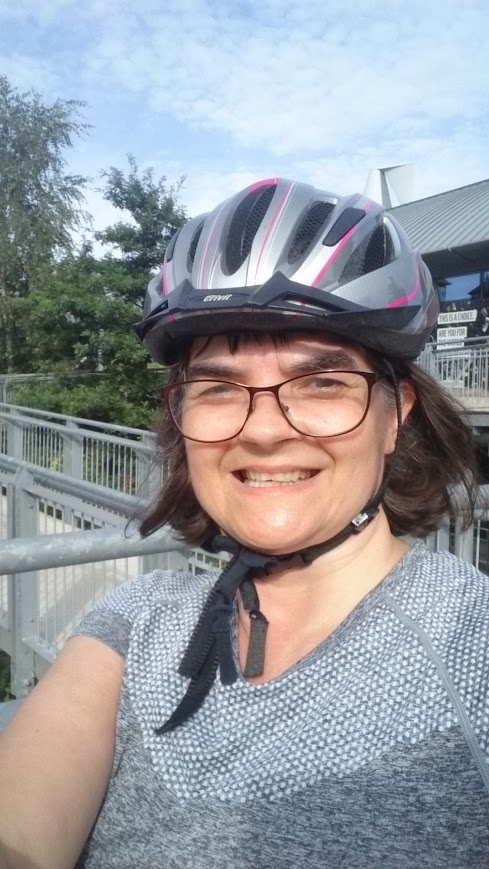
I bought my bike using the cycle scheme in 2018. It replaced an old second-hand bike that I bought online. I was just using it for commuting to the station until the pandemic lockdown in 2020. When we were given an hour a day of freedom to exercise, I used it to explore the local countryside on my bike and really enjoyed it.
Sarah White, Marketing and Communications Manager, SYSTRA Ltd
Cycling to work is a long way for Sarah – 19.5kms! But, cycling to work saves Sarah a lot of money and time. “The station car park costs over £10 a day. I do walk sometimes, but is takes half an hour, compared to 10 minutes of cycling plus 5 locking it up. It’s also good exercise and is better for the environment than driving.”
Sarah also enjoys cycling in her personal time. “During the weekends I try to cycle at least 20km for fun. My longest ride was the London to Brighton charity ride this June which was 86.3km. I have completed the London to Brighton Bike Ride twice in the last three years.”
You can find out more about our expertise in walking and cycling here.
A UK-first technique used to construct HS2 River Tame West ViaductsThe project is being delivered by HS2’s main works contractor for the West Midlands, Balfour Beatty VINCI (BBV) who are constructing 90km of HS2 between Long Itchington in Warwickshire to the centre of Birmingham and on to Staffordshire.
This is the first of nine viaducts that will use this method of construction which uses pre-cast concrete segments produced at an HS2’s bespoke outdoor factory near Lea Marston. The team have recently celebrated producing the 1,000th segment out of a total 2,742 segments needed to complete the viaducts.
The River Tame West Viaducts carry three rail tracks in total, made up of one single track viaduct and one double-track viaduct.
The two River Tame West Viaducts cross the River Tame near Water Orton and join the Curdworth Box, which will take the new line over the existing Birmingham to Derby railway.
The structure has been under construction since 2023 beginning with the 20 piers to support the viaducts, the first spans of the three-track section were completed in Spring 2024. This first phase involved placing the segments onto two 42 metre truss beams, moving them into place with a skidding trolley, and securing them by post-tensioning techniques.

The giant cantilever structure has been built, using a 22-metre-high mast, including temporary post-tensioning cable stays and a 14-metre-high swivel crane.
The crane lifts and installs one concrete segment into place at a time, to complete each 45-metre span length. The permanent post-tensioning tendons are then stressed to allow the removal of the temporary cable stays, leaving the permanent structure securely in place. The same process is repeated between each pier until all of the spans are complete.
A total of 2,500 concrete segments will be moved into place using this specialist technique. All the deck segments are due to be in place by August 2026. The same process will be used to build a total of nine viaducts in the Delta Junction.
Reaching this incredible milestone is a wonderful moment for the Mott MacDonald SYSTRA Design Joint Venture team. It brings to life the innovation, collaboration and commitment of everyone involved on the project and marks a significant part of the journey to bring high speed trains between Birmingham and London.
Ian Johnson, Project Director, MMSDJV
HS2’s Delta Junction is a triangular section of line, enabling trains to travel between London and Birmingham, Birmingham and Manchester, and direct between London and Manchester without stopping at Birmingham. It is made up of embankments, cuttings and a total of 13 viaducts taking high speed tracks over motorways, local roads, existing rail lines, rivers and floodplains. The viaducts include 6 precast segmental viaducts, 4 composite viaducts and 3 low viaducts.
Find out more about our work on HS2 here.
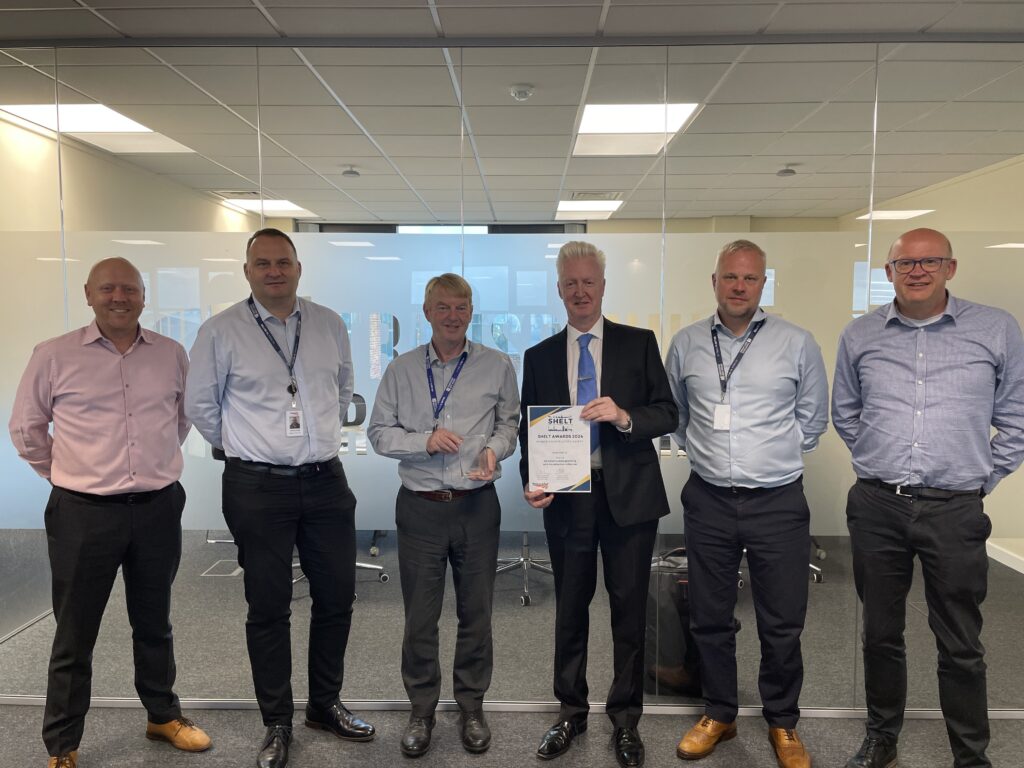
SYSTRA scoops prestigious Network Rail SHELT construction safety awardThe entry, titled ‘4D construction planning and visualisation initiative’, showed how the technology is revolutionising safety in railway infrastructure projects by integrating 3D models with project schedules, resulting in 4D planning that allows for the digital rehearsal of complex construction activities.
By visualising each construction stage in a time-sequenced manner, it provides a comprehensive understanding of project timelines, risks and constraints. The core innovation lies in its ability to simulate construction processes before they begin, identifying potential risks and conflicts.
This proactive approach enhances safety by enabling teams to develop and refine strategies to mitigate hazards. Through digital rehearsals and scenario planning, safety concerns can be foreseen and addressed, ensuring all personnel are better prepared for on-site challenges.
Furthermore, the 4D planning tool fosters improved communication and collaboration among stakeholders, ensuring that everyone—from designers to contractors – has a clear understanding of the project. This clarity helps prevent misunderstandings and reduces the likelihood of errors that could compromise safety.
Paul Chelin, Principal Digital Engineer at SYSTRA, said: “To receive this SHELT Award for our ground-breaking 4D construction planning and visualisation initiative is a hugely proud moment for us all on the project team and across SYSTRA.”
“This accolade underscores our commitment to pioneering advancements in construction safety and planning, and is testament to the innovative spirit and dedication of our team, who have tirelessly worked to revolutionise how complex construction projects are planned.”
The successful adoption of 4D planning positions us as an industry leader in construction safety innovation, attracting new business opportunities and ensuring a safer, more efficient, and reliable construction process overall.
John Oldridge, Practice Director, SYSTRA Ltd
Find out more about our work on TRUe here.
Flexible working brings benefits to company and colleaguesSYSTRA currently supports a range of flexible working arrangements. The case studies below are examples of how flexible working has been implemented for colleagues in a variety of roles throughout the business, and how it has had a positive impact on them.
Throughout our connected teams, we recognise that flexible working can bring benefits to the company and the colleague. Our approach will allow flexible working wherever it is possible for working arrangements to be adapted to suit both personal and organisational circumstances.
Charlotte Woodhall-Jones, Discipline Lead (Ground Engineering), currently has a flexible working pattern and works 24 hours-per-week (60% full time equivalent). This is typically fixed to three full days, working two days in the office to collaborate with, and support, her team.
She initially requested flexible working for childcare purposes but as her children grew older and transitioned to school, she retained a flexible working arrangement to enable a focus on self-care and mental wellbeing.
“With time I have realised that flexible working brings an additional benefit of developing skills to become more effective and collaborative,” Charlotte added.
“You cannot work in isolation when working flexibly, you need support from others to ensure work progresses in your absence.”
“SYSTRA have embraced and supported my flexible working needs. In addition, I have been overwhelmingly supported in developing a career progression pathway at SYSTRA irrespective of my working pattern; flexible working is not seen as a limitation.”
Charlotte said anyone considering a move to a flexible working pattern should be clear on their underpinning reason for the change and establish soft and hard boundaries.
“This ensures clear and consistent communication for everyone involved; flexible working requires knowledge of what is flexible and what is not.”
Flexible working offers such potential for health and wellbeing; I hope that seeing a case study like mine, showing progression to a senior leadership role, helps to demonstrate that with the right mindset and right support your career can flourish whilst working flexibly.
Charlotte Woodhall-Jones, Discipline Lead (Ground Engineering), SYSTRA Ltd
Read more about Charlotte’s journey here.
Associate Director (Consultancy) Pete Kidd, has followed a flexible working arrangement for over 20 years.
For Pete, flexible working has been imperative after being diagnosed with Multiple Sclerosis, a life-long progressive degenerative autoimmune illness that will impact his ability to work throughout the rest of his career.
He said: “Having flexibility to work reduced hours, as well as regularly working from home, has, and will continue to be, critical in me delivering optimum performance in my work.”
“SYSTRA recognise that there might be some ongoing variability and work with me to accommodate these specific needs.”
At various times, I have used my reduced hours to allow me to undertake voluntary work, explore other hobbies, look after my young daughter, and to mitigate the impacts of ill health.
Pete Kidd, Associate Director (Consultancy), SYSTRA Ltd
Read more about Pete’s journey here.
Jenny Taylor, Associate Director (Consultancy), has worked flexibly for 12 years, varying her days and hours as her non-working requirements have changed.
The arrangements have helped her balance a career with childcare responsibilities, while the option to work from home has provided peace of mind when it comes to supporting her family.
“My line managers have always been very supportive of any requests I have made for flexible working, as have colleagues I have worked with, who have been happy to rearrange meetings to fit in with my working hours,” said Jenny.
Although finding opportunities for progression as I’m working flexibly can be more challenging, my career has continued to develop.
Jenny Taylor, Associate Director (Consultancy), SYSTRA Ltd
“Whilst managing intense projects, I’ve required more support from Project Directors to oversee projects on days I’m not working, but for the rest of my work, including proposal management, project direction and staff development, I’ve been able to fit the work within my working hours by planning ahead.”
And Jenny has one simple rule when it comes to managing her flexible hours: “It is very easy to get sucked into working on your days off,” she said.
“So be very strict about not checking emails or Teams when you are working, as five minutes can quickly turn into an hour.”
Read more about Jenny’s journey here.
Disability Pride Month – a colleague perspective on accessibility at SYSTRAThis month is important because it promotes the rights of people with disabilities at every level of society, and helps start positive conversations.
As an organisation, we at SYSTRA pride ourselves on accessibility for all.
Accessibility is achieved by enabling individuals to speak up about their challenges, and then adapting processes, as well as the organisation, to tackle the challenges that are presented.
There is a clear avenue for individuals to speak up through both our Equality Diversity and Inclusion Group, as well as the Wellness Champions initiative.
What can sometimes be seen in some workplaces as a more challenging step is finding the correct ways to adapt, so that all individuals are supported and in the best position to succeed.
In this Insight article, our colleagues speak openly about their experiences with disabilities and how accessibility is addressed in the SYSTRA work space.
Benedict Andrews is a Project Analyst in our Engineering Business. He said: “In my experience SYSTRA addresses accessibility well and is consistently finding ways to improve their approach and create an inclusive workplace for all.”
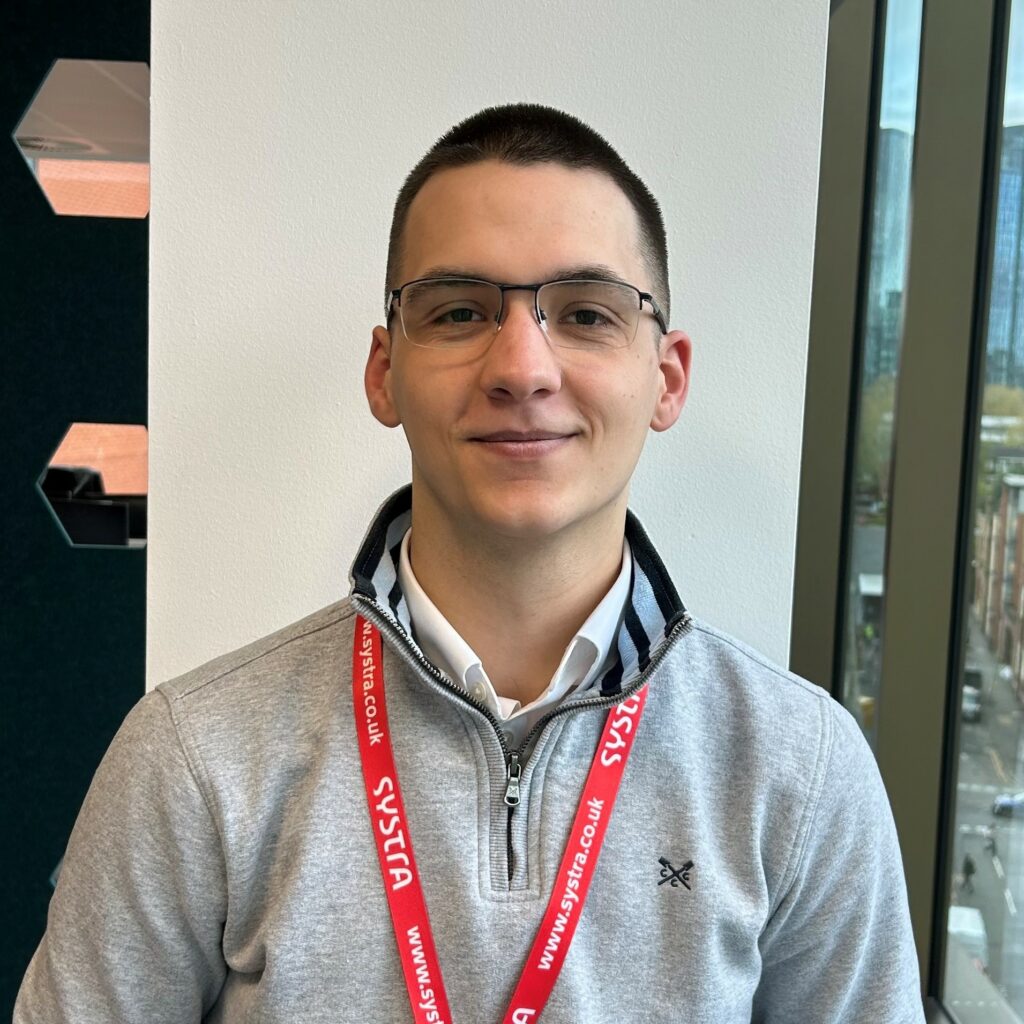
As a neurodiverse member of the workforce, support was offered from the beginning of my employment with my direct line manager seeking to understand the best ways to work with my ADHD and transform it into a strength.
Benedict Andrews, Project Analyst, SYSTRA Ltd
“This understanding displayed in SYSTRA that Neurodiversity is a strength rather than a weakness is displayed throughout the business through the Disability Equality Diversity and Inclusion Group.”
He pointed out that the ‘Disability Crew’ has representatives from every area of the business, and is a crucial forum for the individuals affected by accessibility issues to be able to give their solutions.
“Many of which may not be identified by able-bodied and neurotypical individuals,” Benedict said.
“This forum pushes innovative ways to address accessibility and allows those who face accessibility issues to create their own solutions.”
Project Administrator, Jay Warburton, said she believes the company has thought of everything to make new employees feel welcome and to cater for all their needs.
“If they haven’t, then they 100% make sure that is rectified,” she said.
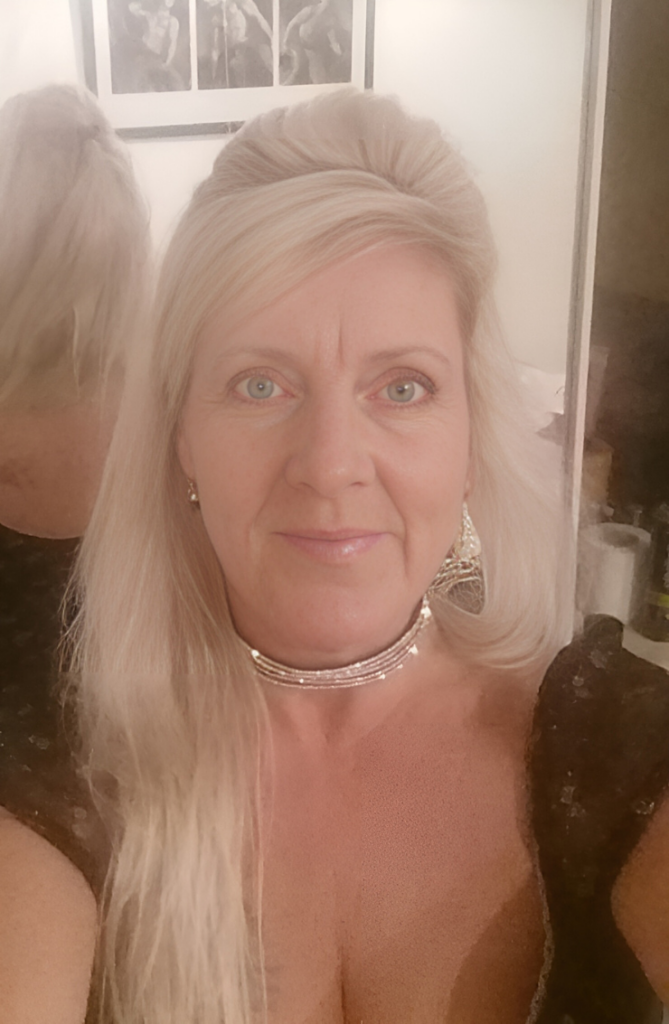
SYSTRA are looking after their staff and are always looking for new ways to improve things for them.
Jay Warburton, Project Administrator, SYSTRA Ltd
“Some people may say that the company holds too many surveys or meetings, but that is because of the need to listen to their staff and take things on board.”
Rachel Goodwin, a Senior Planner at SYSTRA, lives with a condition called Fibromyalgia. The NHS defines it as a long-term condition that causes pain all over the body.
Rachel says her reality is that she has a huge range of other symptoms which include, chronic fatigue, constant joint pain, numbness and tingling in both legs, acute knee pain, migraines, anxiety, brain fog and increased sensitivity to pain, noise, and temperature. She has most of these daily and often experiences a flare up, which makes everything so much worse.
“Inevitably, this can impact on my working life at SYSTRA and before hybrid working my sick record was setting off triggers all over the place,” she recalls.
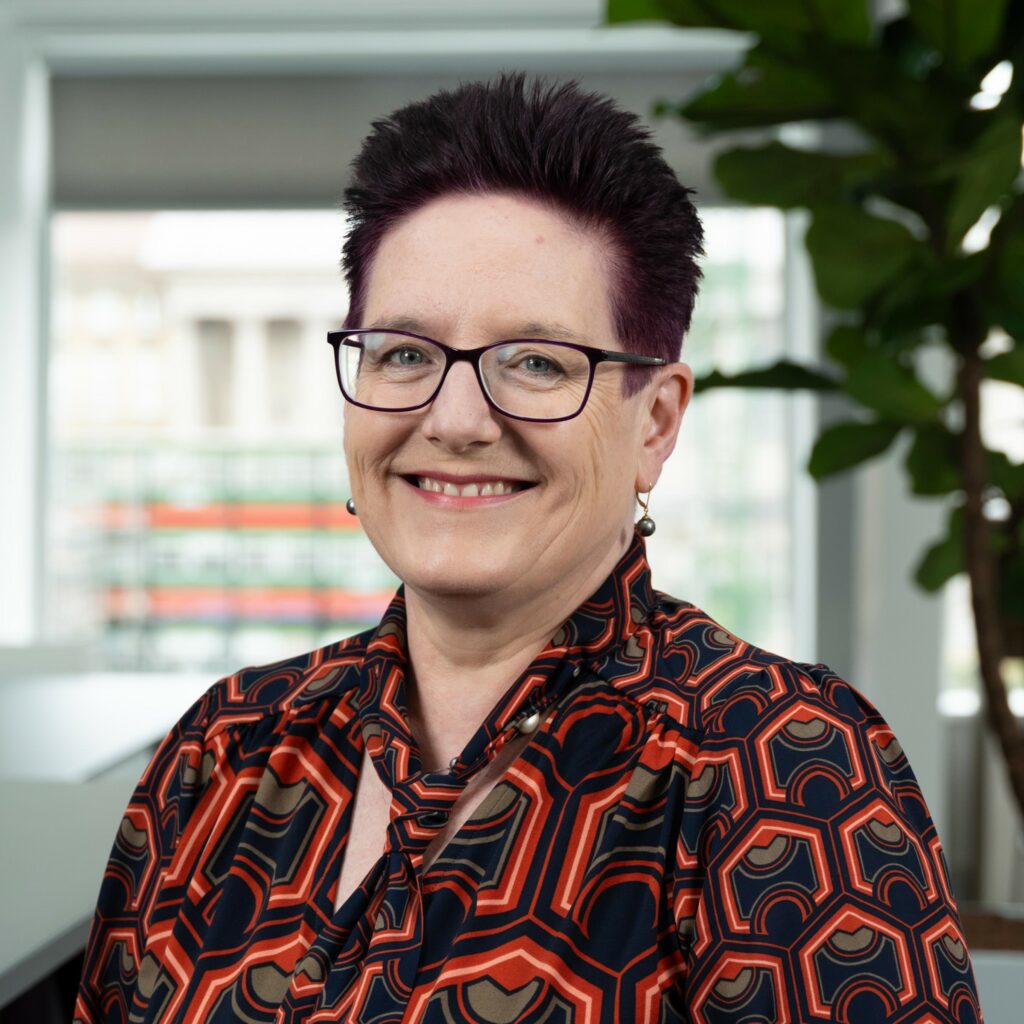
I requested flexible working and cut my working days from five to four, and being able to work from home has enabled me to find more balance in managing my condition.
Rachel Goodwin, Senior Planner, SYSTRA Ltd
Rachel said she has utilised the assistance programmes available through the company, and they have helped by providing valuable support and resources.
“I also have a great line manager and wider team,” she added.
“I always feel fully able to be honest about how I am feeling which is helpful if I need to juggle some work around or adjust my work hours.”
“Being a Wellness Champion at SYSTRA means I have a platform to use my experience and voice to raise awareness, and start conversations, which is actively encouraged.”
At SYSTRA we are proactively working to build diverse and inclusive workplaces that respect, value and optimise the contribution of all our employees. Find out about equality, diversity and inclusion at SYSTRA here.
Excavation completed at Old Oak Common stationOver the past three years a staggering 1.3 million tonnes of London Clay has been removed from the station box – that’s enough to fill more than 300 Olympic-size swimming pools!
Construction is being delivered for HS2 by the Balfour Beatty VINCI SYSTRA joint venture (BBVS JV), working with specialist structures contractor Expanded. The JV took full possession of the site in July 2020, and over the past four years has been working hard on the station box, which has involved the creation of a diaphragm wall and plenty of piling activity.
The box is 20m in depth and a reinforced concrete base slab up to 2m in depth is being poured throughout. Some 32,000 tonnes of steel rebar, assembled by hand on site, has been used in the box alongside 160 reinforced concrete columns which have been installed inside the outer wall to help support the structure.
The conveyor system to remove the excavated materials became fully operational in November 2022, and has removed the need for more than 75,000 lorries from the roads. The conveyor took the spoil to the nearby London Logistics Hub, from where it has been transported by rail to beneficial reuse sites in Kent, Warwickshire and Cambridgeshire.

All steel used was 100% responsibly sourced and most of the concrete used is produced by the London Concrete batching plant on site, which reuses rainwater in its mixes. Now the box has been full excavated, the team will be working to pour the final sections of base slab to fully complete the box.
Nizar Awad, Old Oak Common Project Director at SYSTRA, said: “This milestone is truly significant in the Old Oak Common station project and a proud moment for every member of the team. It is not only a construction achievement but it has had a positive impact on the environment too by reducing the need for HGVs and ensuring reuse of materials. We now look forward to the next phase of the work to bring the station to life and bring high speed trains between London and the Midlands.”
Six 450m platforms will be constructed in the underground box for HS2 services. Above ground, eight further platforms are being built, and will be served by the Elizabeth Line, Great Western Mainline services and the Heathrow Express. Old Oak Common station will become one of the country’s most vital transport hubs which will be directly connected on the UK’s railway network to more than 170 destinations.
The east end of the underground box has been handed over to HS2’s London Tunnels contractor, who are preparing to construct HS2’s running tunnel to Euston. Two giant tunnel boring machines will be lowered into the underground box later this year, before the station team commences building the roof structure of the super-hub station.
Learn about our work on HS2 here.
Helping enhance the everyday – inspiring insights from SYSTRA’s women engineers on International Women in Engineering Day 2024A diverse workforce that reflects the communities we work in means we enhance our capabilities and our capacity for innovation and optimum performance.
Aligning with that vision, this year’s Women in Engineering Day, taking place on 23rd June is focusing on the theme ‘enhanced by engineering’. The event celebrates women engineers around the world and the work they are doing to support lives and livelihoods. The aim is to highlight the people making a difference and building towards a brighter future.
At SYSTRA, we’re proud of the opportunities we provide across our engineering teams and the collaborative work with partners to create places that truly thrive. We spoke to some of our inspiring women engineers at SYSTRA and asked them how they feel their work is helping to enhance lives and build towards a better future.
Charlotte Woodhall-Jones, Discipline Lead (Geotechnics), has a career that spans multiple sectors. She said:
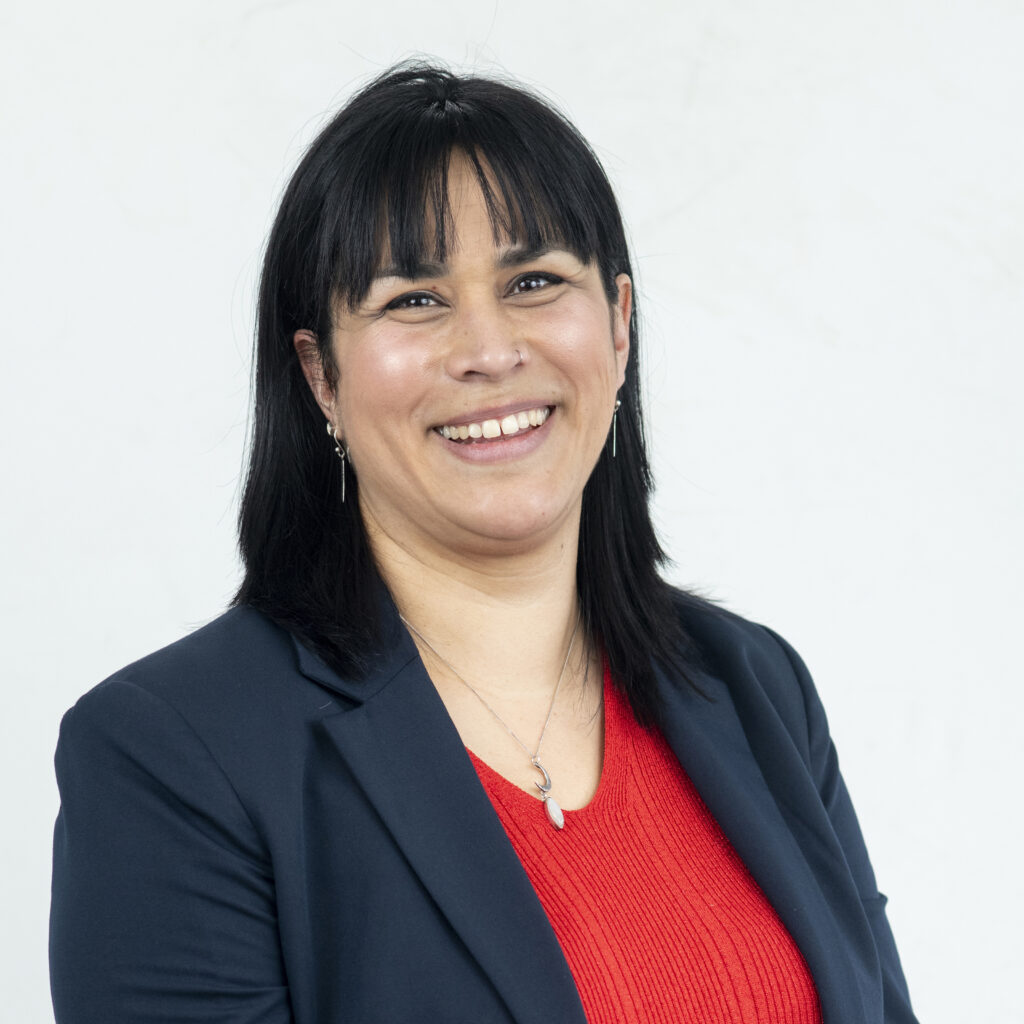
I have built homes for people to live in, provided energy for that morning coffee, and removed the water from washing the cup. I’ve provided capacity for multiple methods of commuting or taking that holiday, provided cultural balance to the day to day; and ensured homes, businesses and infrastructure are protected from the impact of nature and climate change. My discipline provides the foundation to engineering, and engineering provides the foundation for society.
Charlotte Woodhall-Jones, Discipline Lead (Geotechnics) at SYSTRA
Amee Shah is a Bridge Engineer with more than 15 years’ experience. She said: “SYSTRA gave me an opportunity to play a pivotal role in shaping infrastructure that supports societal growth, economic development, and environmental sustainability, thereby contributing to a better quality of life for people now and in the future. It gives me a sense of gratitude and fulfilment for each day spent at work.
Alice Kimmitt , is a Delivery Manager in the engineering business who works on HS2. She said: “I make daily decisions on what I feel is the best course of action for my team and how we provide the best services and value to our client. These decisions all ultimately support the end goal of improved rail links.”
Lola Rodriguez is a Principal Engineer (Geotechnical) at SYSTRA. She said: “As a woman in a traditionally male-dominated field, I have not personally encountered additional challenges related to gender biases and stereotypes. I have always believed that competence and dedication are the true measures of one’s capability. I am proud to say that my contributions have been recognised and valued, paving the way for greater gender diversity in our industry. I strongly encourage other women to consider careers in infrastructure and engineering. The field is rich with opportunities to make a tangible difference, and diverse perspectives are crucial for innovation and success. I am grateful for the challenges I have faced and overcome, as they have shaped me into a more capable and confident professional. I hope my journey will inspire more women to step into the world of infrastructure development and make their mark.”
Jenny Jefferies, Technical Expert (Consents), said:
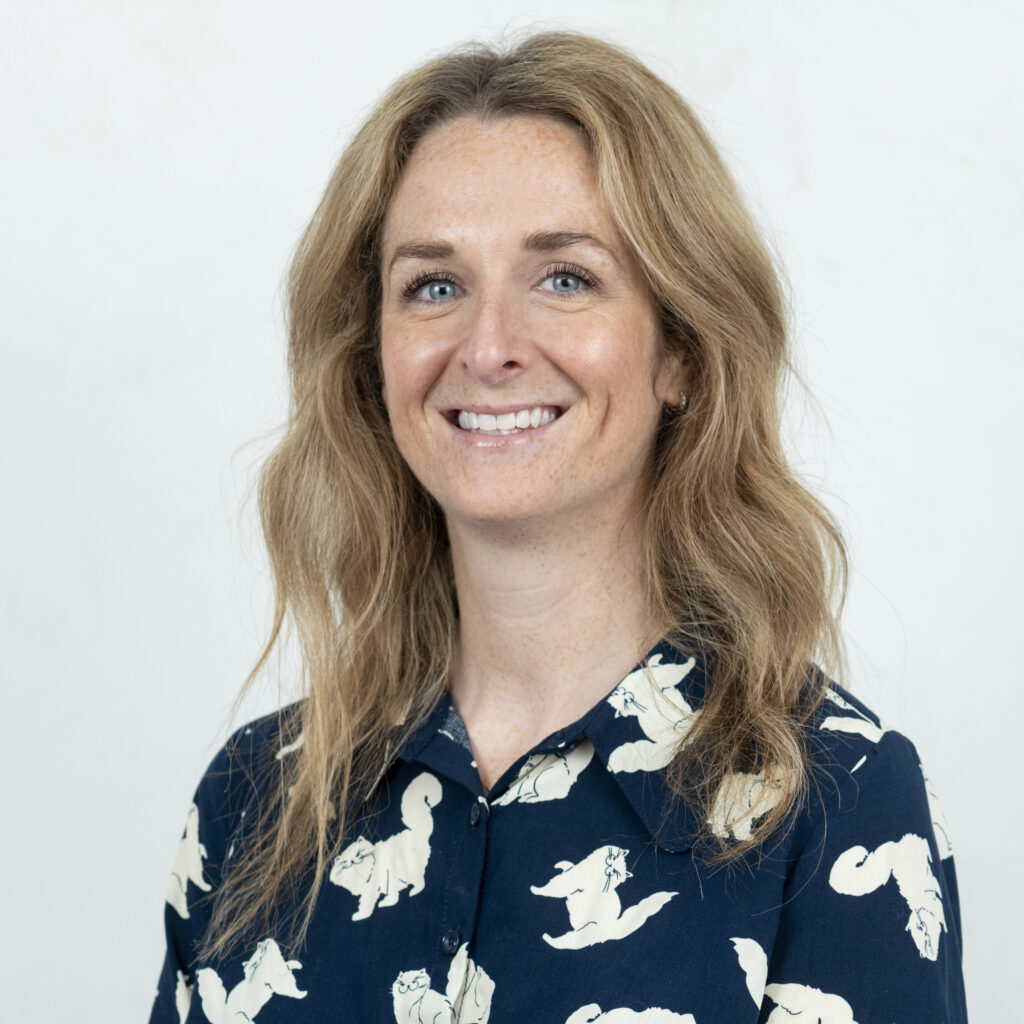
The work I do at SYSTRA, designing and in my case, consenting new infrastructure projects, including new railways, is a cornerstone of improvements to sustainability and social mobility throughout the world. New railways connect people to opportunities and get people off the road and onto a more sustainable mode of transport. Working in consenting also ensures that the projects we work on comply with the legislation protecting people and the environment whilst designing and building.
Jenny Jefferies, Technical Expert (Consents) at SYSTRA
Our ambition for our colleagues is to create a diverse, inclusive workplace which allows everyone to be themselves and give their best. An inclusive workplace means we’re better able to serve our customers and contribute to a more equal society.
As our latest report highlights, we continue to make positives steps to closing the gender pay gap, and we identify a number of specific strategies to further improvement. This includes actively engaging with women in our workforce, understand their experiences and promoting work experience opportunities via organisations that work with under-represented groups to tackling unconscious bias in our recruitment processes.
Our HR Director Suzanne Walker said: “As the business continues to grow and develop, we recognise that promoting equality, diversity and inclusion is a key priority that we need to drive forward with continued passion and energy.”
SYSTRA designers lead South Lanarkshire’s replacement River Clyde bridge at CarstairsSouth Lanarkshire Council asked SYSTRA to design a cost-effective River Clyde crossing to replace the original Pettinain Road Bridge near Carstairs, 30 miles southeast of Glasgow. The original bridge was closed to road traffic in 2018 for structural safety reasons. The new bridge crossing was formally opened at a ceremony on Monday, 22nd April 2024, restoring a much needed and well-used route for the local community.
SYSTRA’s Signature Team used a proprietary ‘Mabey’ bridge truss design without piers for the new 90m span crossing, making it the second longest ‘Mabey’ bridge in the UK. The total cost of the works is significantly lower compared to typical permanent bridge crossing solutions – this was justified by the rural location and relatively low amount of road traffic. The bridge was launched from the south side of the river, and the construction of the bridge had minimal impact upon the river’s natural habitat and its riverbanks which was a key design factor.
SYSTRA’s designers work on bridge projects throughout the UK and globally. In the UK, the team is currently working on several highway and rail viaducts and bridges for HS2 near Birmingham as well as bridge and viaduct structures along the Transpennine Route Upgrade (TRU East) between Leeds and York

The interesting part was the practicalities of incorporating the launching of such a long-span structure into the design, making it a permanent solution for crossing the River Clyde. It was a fantastic challenge to work on, making the most of our team’s expertise and innovative thinking.
Jon Iribarren, Principal Engineer (Bridges) at SYSTRA
Jon Iribarren, Principal Engineer (Bridges) at SYSTRA, said: “The team worked collaboratively with South Lanarkshire Council to make sure the right solution was found to deliver the Council’s accessibility, safety and environmental goals within budget. The new bridge is an asset to the local community and will improve the quality of life for many people.” Council Leader Joe Fagan said: “This new bridge restores a much needed and well used link for the local community. As well as vehicles, it will also promote active travel with pedestrian access, and it feeds into the wider cycle network for the area.”
The year 2023 was marked for SYSTRA by the launch of its Climate Trajectory, based both on the exemplary nature of our daily practices within the Group and on our ability to offer our clients solutions that respond to the effects of climate change.
Each of our subsidiaries has proposed a plan to reduce its carbon emissions, and we are involved in a Science-Based Targets initiative (SBTi) approach to reduce our emissions in the short term.
Another major lever for action is our sustainable design and construction framework, which focuses on issues relating to biodiversity, choice of materials, air quality and water management.
As for our employees, we are proud to see that they are involved in local communities, particularly through their participation in community projects.

2023 was all about our reasserting our firmly held beliefs as a company: we can take action, we need to take action, and we are taking action. For me, 2023 was about the positive impact of our activities.
Christelle Chichignoud, Vice President Sustainability
Sustainability Report 2023
Find out how SYSTRA makes a difference.
SYSTRA’s Jenny Jefferies named among The Planner Magazine’s Women of Influence 2024Jenny, who is currently working on HS2 as part of SYSTRA’s Signature Team for high speed rail and consenting, was nominated by her team and was thrilled to find herself on the prestigious list.
Jenny said: “As someone who isn’t a town planner by trade but has worked in planning and consenting for all of my career it’s still a surprise to find myself on this list with such an inspirational group of women.”
The Planner publishes its Women of Influence list to mark International Women’s Day. Candidates were nominated by readers, before a panel of seven expert judges selected a final list of women that they felt ‘illustrated the breadth and depth of women influencing planning across the UK and beyond.’ With its non-ranked and non-competitive list, the Planner seeks to highlight and celebrate the ‘impact of women on planning and planners.’
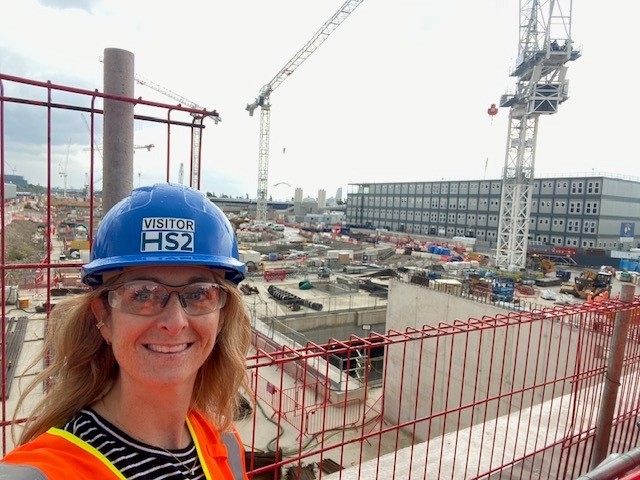
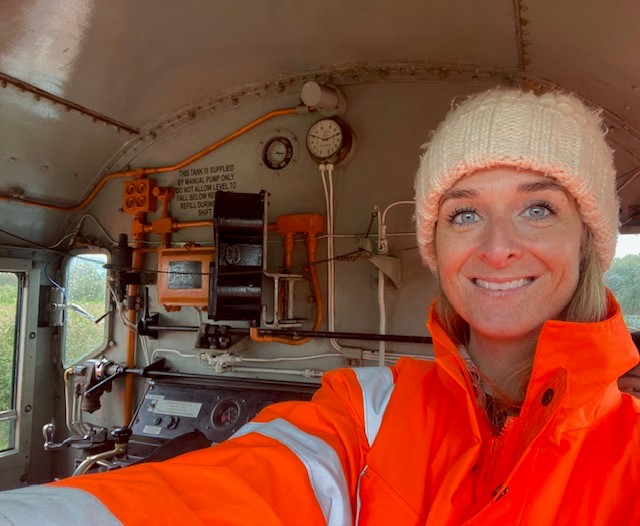
Jenny’s unconventional career path certainly fits the bill. She graduated from Newcastle University with a Master’s in Environmental Biogeochemistry in 2009. In the years that followed, she worked as a site supervisor on contaminated land sites, undertaking groundwater monitoring and testing and soil testing. Her roles saw her conduct flood risk assessments and Environmental Impact Assessment coordination, giving her a thorough understanding of the context in which important and high-stakes rail projects are built.
Jenny has been working on the HS2 project for SYSTRA for the last four years. In her main role as Consents Delivery Manager, Jenny has been managing and leading the delivery of the planning and environmental consents required for the permanent railway to be constructed.
Jenny’s nomination citation mentions her ‘remarkable grit and resilience.’ It is this, combined with her technical knowledge and communication skills, that has helped her to successfully navigate the frequently complex world of stakeholder management and planning consents.
The fact Jenny was nominated by her team reflects the high regard with which they hold her. Jenny has fostered an environment in which her team feels supported and can thrive, encouraging colleagues to reach for new opportunities or to pursue professional registration.
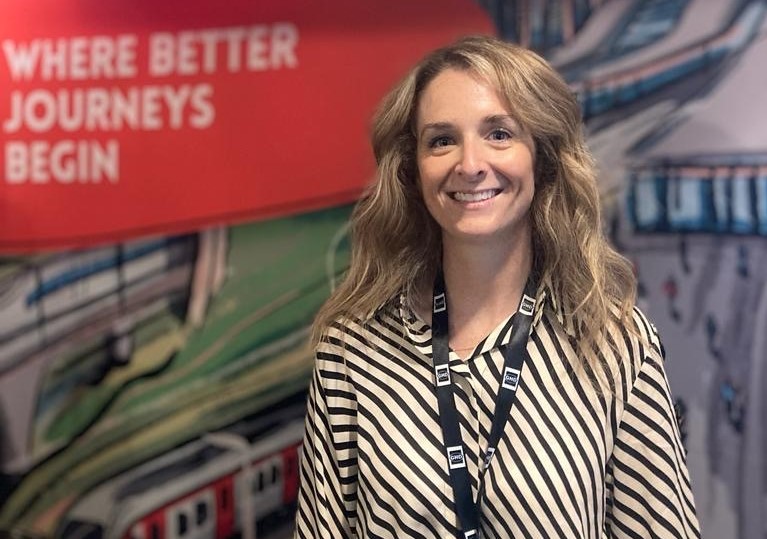
“I’m often pushing my team to go for roles in SYSTRA that they may think out of reach for them but I support them to go for opportunities to help with their development knowing that they have my support should they need it.”
Jenny Jefferies, Technical Expert (Consents) at SYSTRA
Encouraging and lifting up others is a topic close to Jenny’s heart. She continued: “One of the highlights of my professional life has been working with other women that have inspired me from the beginning of my career – Anna Butler, Lucie Anderton and Karen Sagar. They really helped me to believe that I can progress without barriers, and without having these role models I wouldn’t have made the moves in my career that I did.”
This theme was echoed in the speech Jenny gave at the UIC world congress on High Speed Rail in Morocco in 2023, which happily coincided with International Women’s Day. As well as speaking about improving the social and environmental impact of infrastructure planning for high-speed rail and the importance of sustainability in the sector, Jenny took the opportunity to champion female leadership at the highest levels of town and infrastructure planning.