
 Australia
  Brazil
  Canada
  Chile
Chile  China
China  Columbia
  Denmark
  Egypt
Egypt  France
  India
India  Indonesia
  Italy
Italy  Malaysia
  New Zealand
  Norway
  Panama
  Peru
Peru  Poland
  Portugal
  Saudi Arabia
  Singapore
  South Korea
  Spain
Spain  Sweden
  Taiwan
  Thailand
  Türkiye
  United Kingdom
  United States
  Vietnam


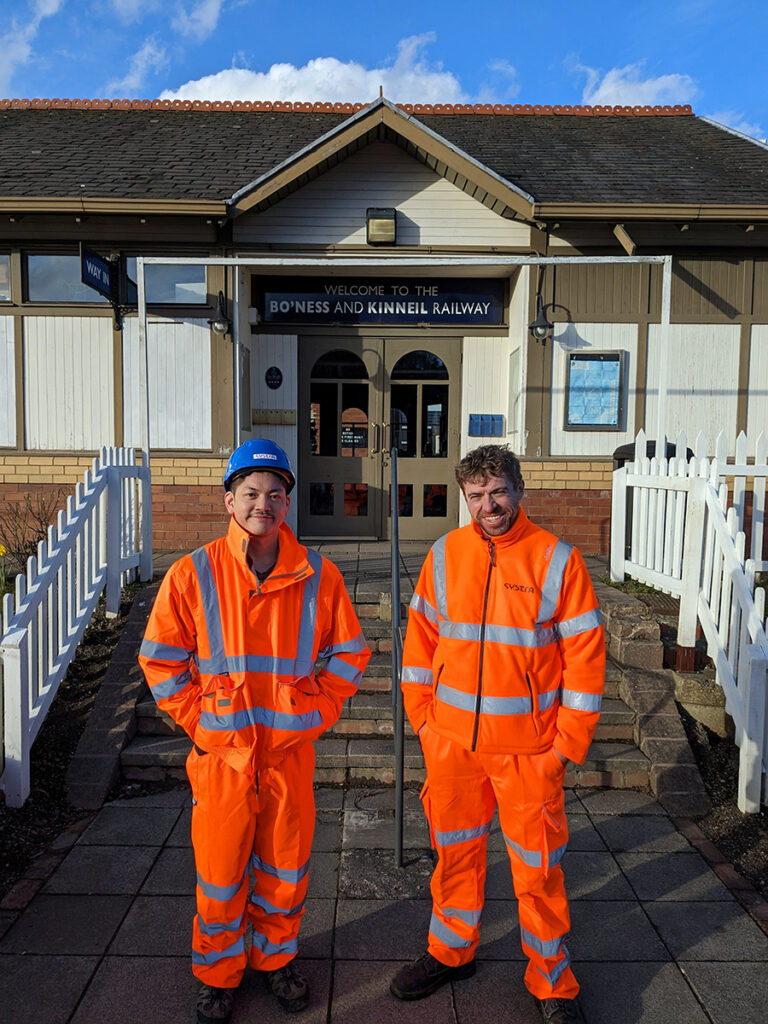
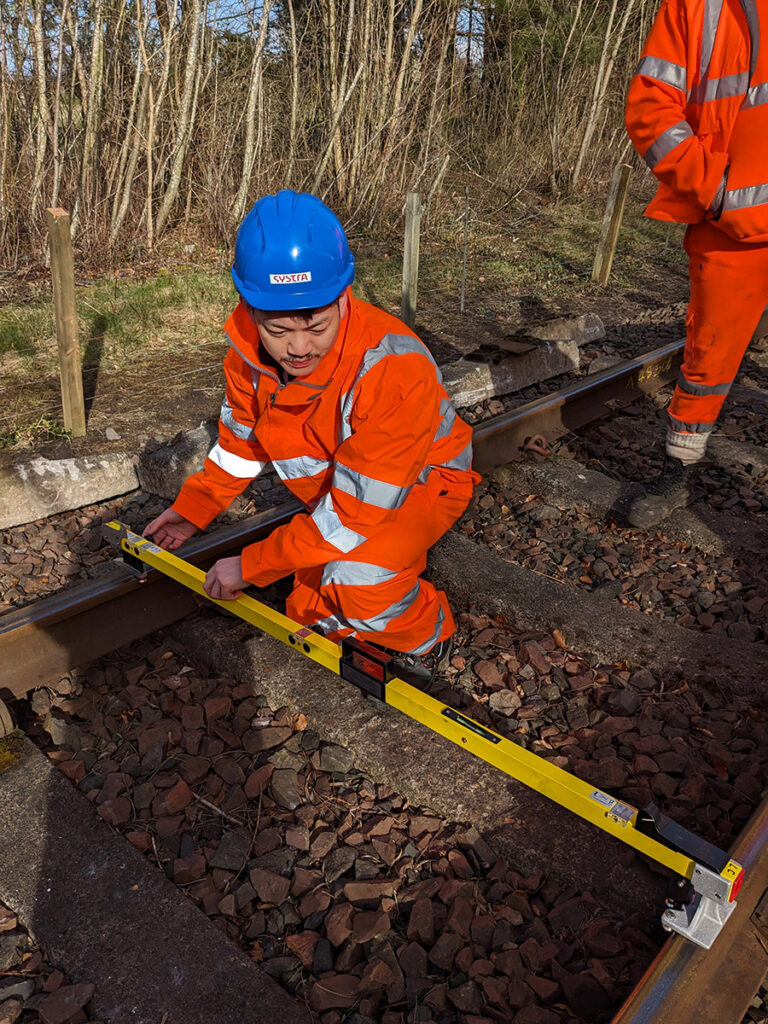
Peter Mitchell, Senior Engineer, and Kevin Man, Engineer, were part of the SYSTRA team which acted as principal designer for this year’s challenge – a track renewal project for the Bo’ness and Kinneil Railway.
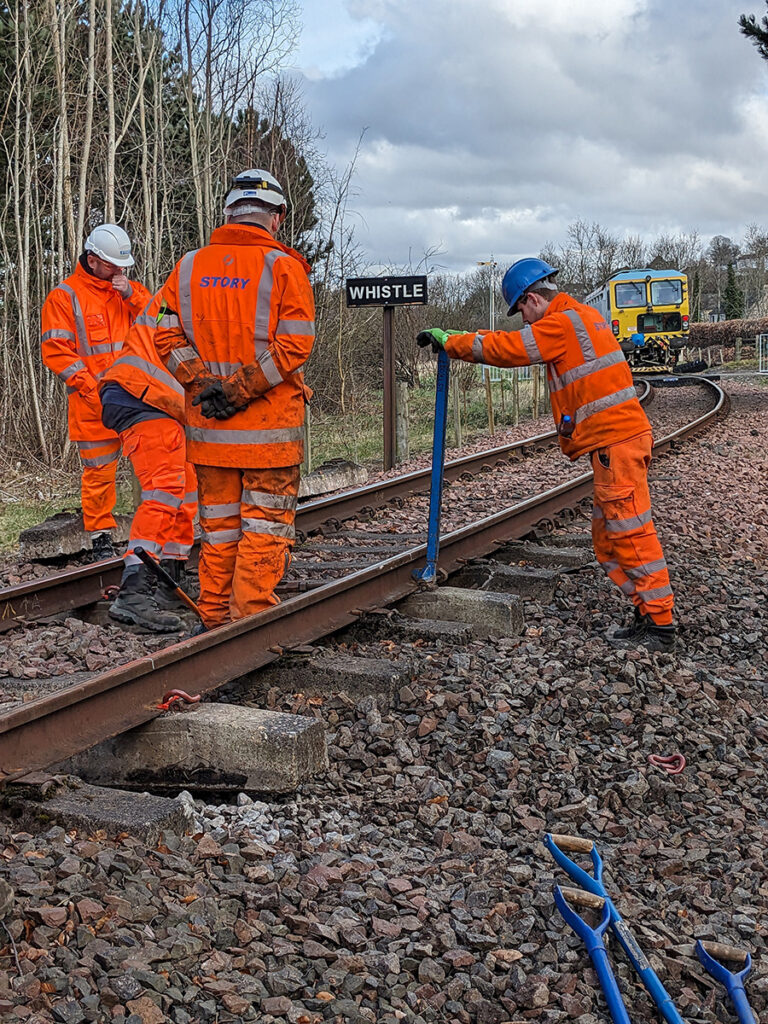
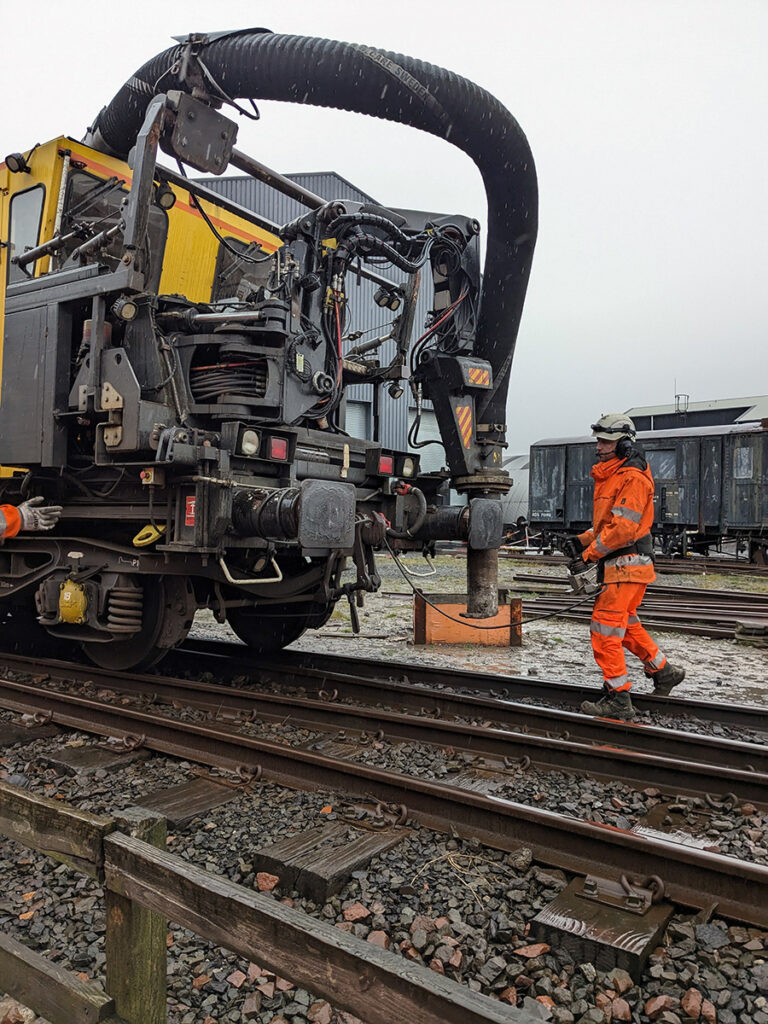
Facilitated by the Scottish Rail Preservation Society, the project included re-ballasting (200m) through a cutting, re-sleepering through a set of reverse curves, and some detailed geometry tamping.
Having supported the challenge team with detailed designs ahead of the work taking place, Peter and Kevin then headed up to Scotland to take part in the two-day build. As well as being on hand whilst the design was being brought to life, they assisted with the regauging of points, observed panel removal and re-ballasting, as well as geometry tamping in different sites. They also learned about the latest innovations and offerings from supply chain companies, and gained valuable insights and collaboration opportunities by working with fellow volunteers from across different parts of the rail industry.
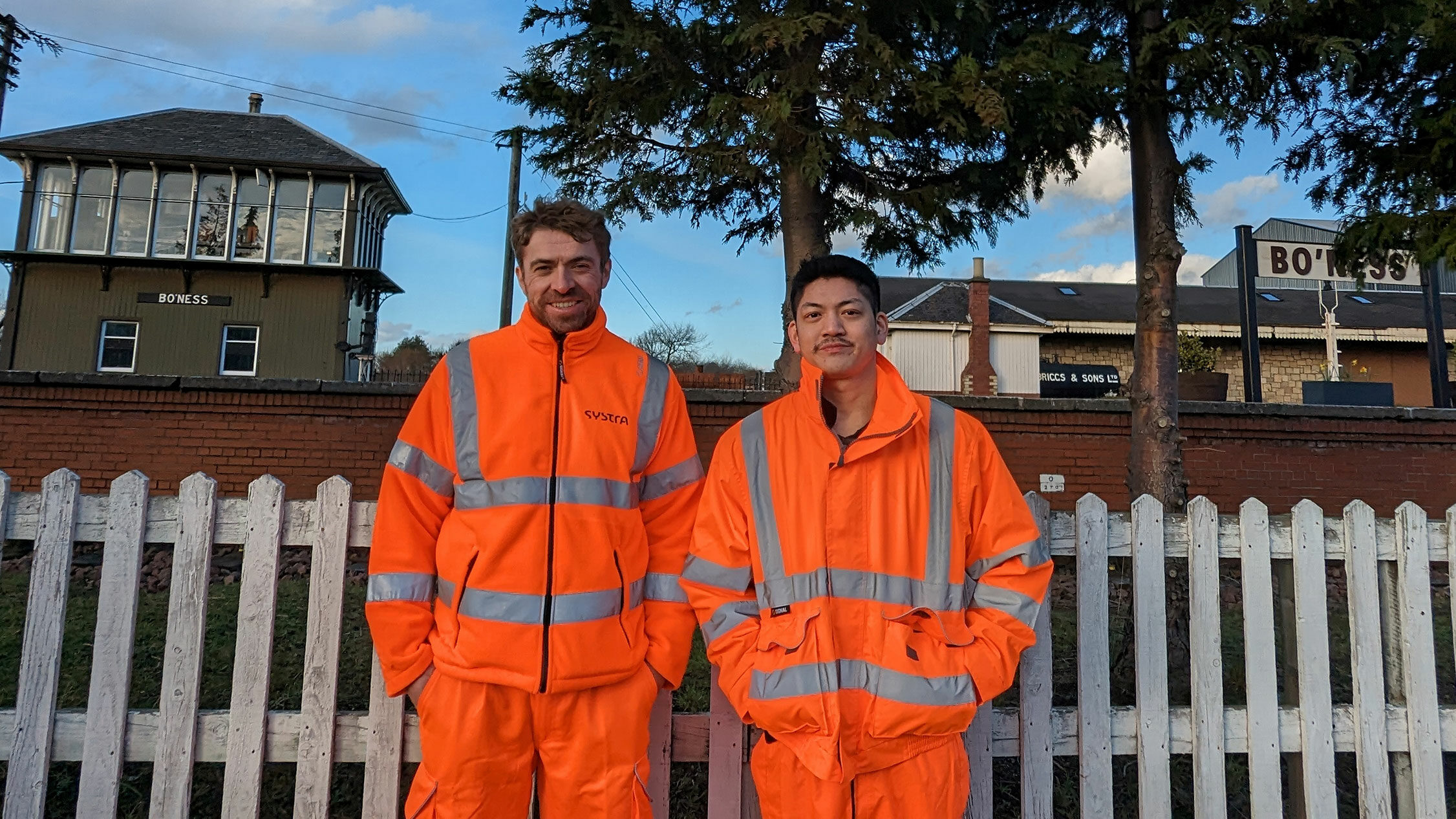
Peter said: “It was a rewarding experience to be part of the PWI Practical Trackwork Challenge, both in the design stage and construction. The Track team at SYSTRA grasped the opportunity to give back to a heritage railway by offering our track design expertise, and Kevin and I thoroughly enjoyed time on-site for the construction phase too.”
Kevin added: “There’s nothing like seeing your design in the real world, and knowing that it was as part of a challenge that gives those earlier on in their careers the chance to get hands-on made it even more special. It was fantastic to see the teamwork come to life and it was an experience I will treasure.”
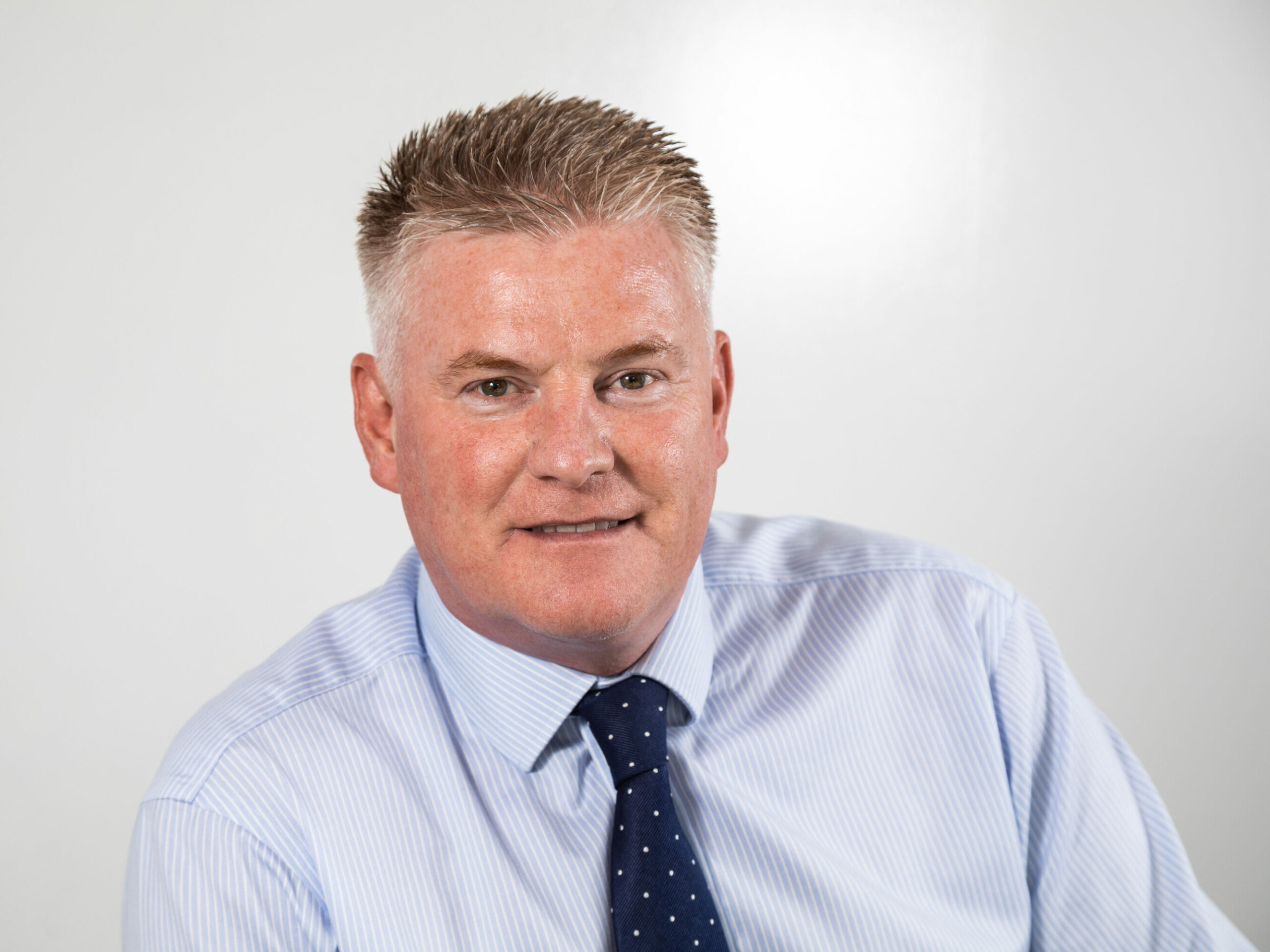
Darren Kirkman, an Associate Director with SYSTRA’s consultancy business in the UK & Ireland, has been appointed a Board member for the Transport Planning Society (TPS). Darren has been a TPS member for six years and a former North West of England regional representative for the society.
At SYSTRA, Darren is currently part of the team advising the Department of Levelling Up, Housing and Communities on its ‘Levelling Up Fund’ development, as well as conceptualising mobility hubs for England’s Economic Heartland. Darren recently developed the London Borough of Newham’s sustainable transport strategy.
On his appointment at the TPS AGM earlier this month, Darren said: “I’ve worked in transport planning for almost 20 years and felt it was a good time to give back to the profession.

I would like to use my TPS role to make the case for a net zero future and a less car-dependent society. I believe that continuous learning is required across the profession and technological changes like AI provide challenges as well as opportunities for transport planners, and we need to be able to respond and adapt quickly.
Darren Kirkman, Associate Director Transport Strategy, Funding and Appraisal at SYSTRA Ltd
Sebastien Dupont, Managing Director (Consultancy) at SYSTRA, added: “Darren is a highly motivated transport planner and project manager focused on urban development and infrastructure projects.
“Darren’s understanding of policy and strategy development gained from his time at MerseyTravel and Transport for Greater Manchester are second to none; his proven success in supporting authorities on business case bids are testament to his expertise.
“We are extremely proud of Darren’s appointment as the TPS plays a vital role in shaping the future of transport planning and its impact on society.”
SYSTRA’s Charlotte Woodhall-Jones named as one of the Top 20 Women in Ground Engineering 2024SYSTRA is delighted to announce that Charlotte Woodhall-Jones has been chosen as one of the Top 20 Women in Ground Engineering. Charlotte joined SYSTRA in December 2022 as the new Discipline Lead for Ground Engineering. She leads a team of over 40 geotechnical engineers and engineering geologists that delivers major transport projects in the UK and overseas.
Charlotte is both a chartered geologist and a chartered civil engineer, a rare combination. She has over 20 years’ industry experience in the public and private sectors, working on major road and rail projects such as the East Leeds Orbital Route and recently opened Ebbw Vale Rail Enhancement project, South Wales.
Charlotte’s work on the redevelopment of the historic Royal Shakespeare Theatre in Stratford-upon-Avon was pivotal at the beginning of her career and laid the foundations for Charlotte’s future career and fascination in ground engineering. It involved constructing a 20m bore hole underneath the stage to investigate the ground conditions while the theatre continued to operate.
Within a year of joining SYSTRA, Charlotte has transformed her team into a connected, energised, and forward-looking unit. Charlotte established progressive workshops for her team to understand and celebrate difference in social and learning styles to ensure that colleagues with neurodivergent traits do not feel marginalised. Charlotte’s team is currently delivering the Transpennine Route Upgrade (TRU East) between Leeds and York.
Nia Kajastie, Editor at Ground Engineering Magazine said she was particularly struck by Charlotte’s “bold leadership style and her passion for equality and diversity in the workplace which has led to initiatives to support and encourage neurodivergent colleagues in her team.”
We are extremely proud of Charlotte, she is not only technically qualified and thoroughly experienced in ground engineering, but also an inspiring and inclusive leader who brings out the very best in those around her. A fantastic achievement.
Nick Salt, CEO, SYSTRA Ltd

I feel incredibly humbled and privileged to be recognised as one of the Top 20 Women in Ground Engineering 2024. I take this responsibility seriously and promise to be a role model for my discipline, SYSTRA and to all women in engineering. I am proactive in collaboration and have learned to bring my whole self to work, I believe that makes me a far better leader. Witnessing my team develop their skills and confidence is my aspiration; I want them to be supported in becoming the best version of themselves.
Charlotte Woodhall-Jones, Ground Engineering Discipline Lead, SYSTRA Ltd
Find out more about SYSTRA’s Ground Engineering team here.
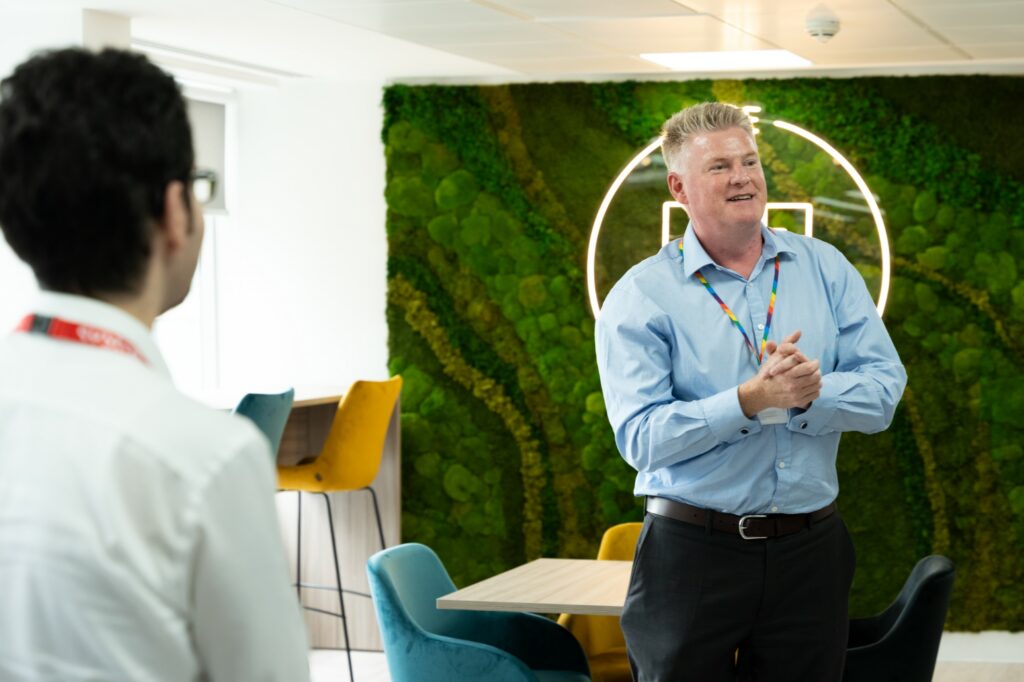
SYSTRA Ltd has appointed David White as Director of Health, Safety, Security & Sustainability to lead the business’ commitment to keeping colleagues safe and well, and lowering the carbon impact of its UK & Ireland activities. He brings a wealth of experience delivering positive cultural change in this context in a number of sectors including construction, pharmaceutical, food manufacture and wastewater treatment.
Nick Salt, CEO of SYSTRA Ltd, said: “We’re delighted that David has joined the senior leadership team at a time of significant growth in transportation and adjacent markets. Above all, the health, safety and security of our colleagues and the solutions we provide is our priority and this comes hand-in-hand with our sustainability mission.”
David White added: “I’m proud to be joining the signature team at SYSTRA and look forward to supporting colleagues in the world-wide SYSTRA Group. I have no doubt in their absolute commitment to providing a safe and sustainable future for everyone. I believe every individual has a part to play and I am looking forward to working with my new colleagues across the business to bring our values, and responsibilities, to life.”
To find out more about sustainability at SYSTRA, visit our Sustainable Future page. For the full details of SYSTRA’s health and safety commitments, visit our Health, Safety & Security page.
It is with great honour that SYSTRA celebrates the achievements of Tim and Mohsen. Both engineers have unequivocally demonstrated ICE Fellowship attributes through their outstanding leadership, technical expertise and dedication to advancing their own knowledge and abilities and, importantly, those of their colleagues and peers.
SYSTRA Ltd CEO Nick Salt, himself an ICE Fellow, said, “Every day I am awestruck by the tremendous talent right across the business, and Mohsen and Tim exemplify our values of excellence, bold leadership, and connected teams. They have both been deservedly recognised, and their success is testament to their dedication to the engineering professional as a whole.
“Mohsen is an exceptional individual, he enriches life here in the SYSTRA community, and through his work on creating better and more resilient built and natural environments. Tim is without doubt a brilliant civil and geotechnical engineer. His energy and attention to detail is infectious, I am delighted that Tim will also be supporting our business growth ambitions for the future.”
ICE Fellowship shines a light on the achievements of these two outstanding leaders in the profession:
Tim Ngai – Technical Expert, Ground Engineering

Tim is a Chartered Civil Engineer with an MSc in Geotechnical Engineering. He has more than 20 years’ experience in geotechnical engineering, design, earthworks, construction and drainage remediation. Tim is a registered Ground Engineering Professional (RoGEP) specialist and the relevant application Assessor. As a recognised technical expert, Tim supports his team’s development as well as business directors on SYSTRA’s strategic growth plans. As a proud STEM ambassador, Tim regularly gives back to the industry supporting the ICE and SYSTRA with their campaigns.
Tim wants to continue to develop his expertise and mentor his design team on technical challenges as well as support business growth and development in the UK and overseas.
Dr Mohsen Ebrahimi – Principal Engineer – Rivers
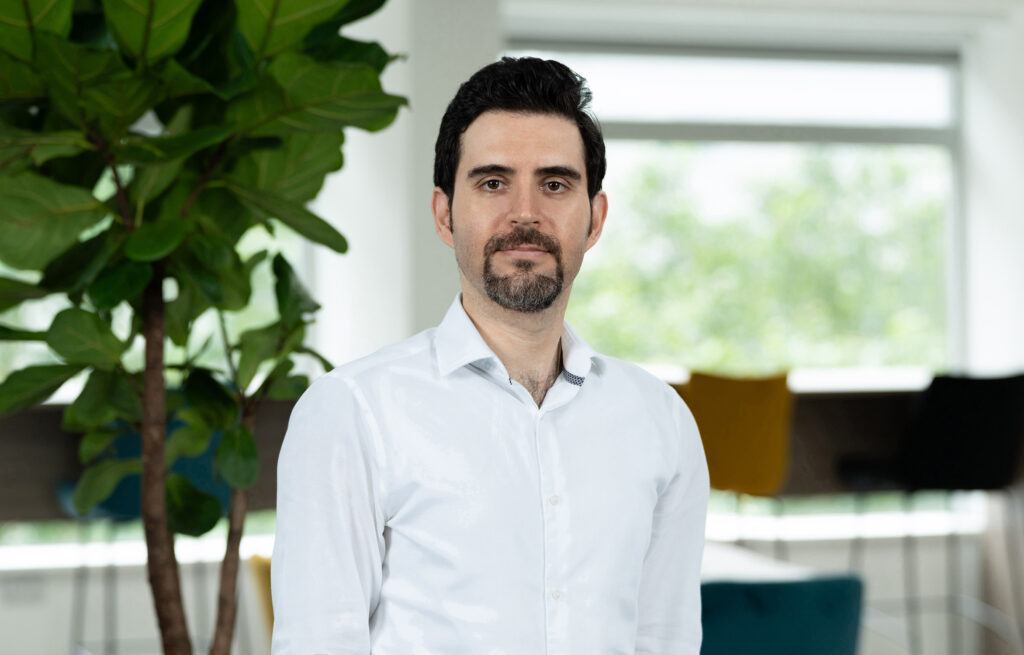
Mohsen is a Chartered Civil Engineer with a PhD in River Engineering. He has 15 years’ research and professional experience in river engineering and flood-structure interaction. Mohsen consistently delivers innovative and sustainable solutions on complex water-related projects. He has successfully completed projects in Canada, UK, and Iran, ranging from scour assessment and protection design at rivers and structures to hydraulic calculations for dams and bridges.
Mohsen wants to continue to make a positive impact in the field of civil engineering and to serve as a role model for a new generation of engineers, especially those with unconventional career paths.
Tim Ngai said: “I am so proud to work in an industry where dedication, collaboration and innovative thinking are rewarded. It’s an honour to be an ICE Fellow, a role I take with an enormous sense of pride. The exceptional team I work with every single day makes it simple to rise to complex infrastructure challenges.”
Mohsen Ebrahimi said: “My career path has not been without its challenges, I am thrilled and honoured to have achieved the prestigious ICE Fellowship. Huge thanks to my mentors, sponsors and colleagues throughout my career. I am energised by the support I have at SYSTRA and the possibilities that lie ahead towards continuing to excel and making a positive impact on the world through civil engineering.”
SYSTRA Ltd has more than 1,000 employees in the UK & Ireland. Career development is championed throughout the business, with two professional memberships paid for each employee. Find out more about careers at SYSTRA.
2023: A Year In ReviewHS2 SUCCESSES
SYSTRA is a key player in HS2, here are just some of the impressive milestones over the past year:
- The world’s longest box slide was completed at Marston Box – we provided the engineering design for the 86-metre-long structure.
- We secured Schedule 17 Consents for the M42/M6 link viaducts, a key element of the Delta Junction, and for the Water Orton viaducts.
- The first pier for the Water Orton viaducts was completed – the viaducts were designed by SYSTRA in JV with Mott MacDonald.
- We won the South Ruislip Vent Shaft with VVB Engineering.
- The Curzon Street station viaducts (designed by SYSTRA in design JV with Mott MacDonald) were cast.
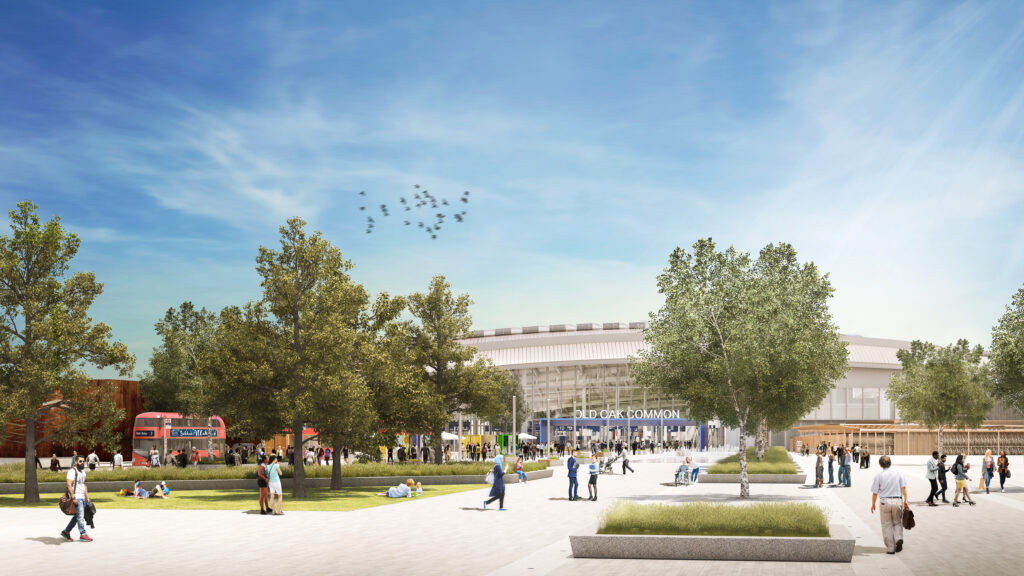
And our successes at Old Oak Common (BBVS JV designed, constructed and commissioned) deserve a roundup of their own!
- The first base slab concrete pour took place.
- OOC’s final (161st) high speed station box pile was completed.
- The final panel of the station box diaphragm wall was completed.
- The Wycombe Line bridge was removed.
- The Right Honourable Mark Harper MP (Secretary of State for Transport) visited the site for an excellent progress update.
- The OOC East Box was handed over to the SCS JV for launching TBMs.
- OOC won a myriad of awards at the Atkins Excellence Awards!
Equality, Diversity and Inclusion
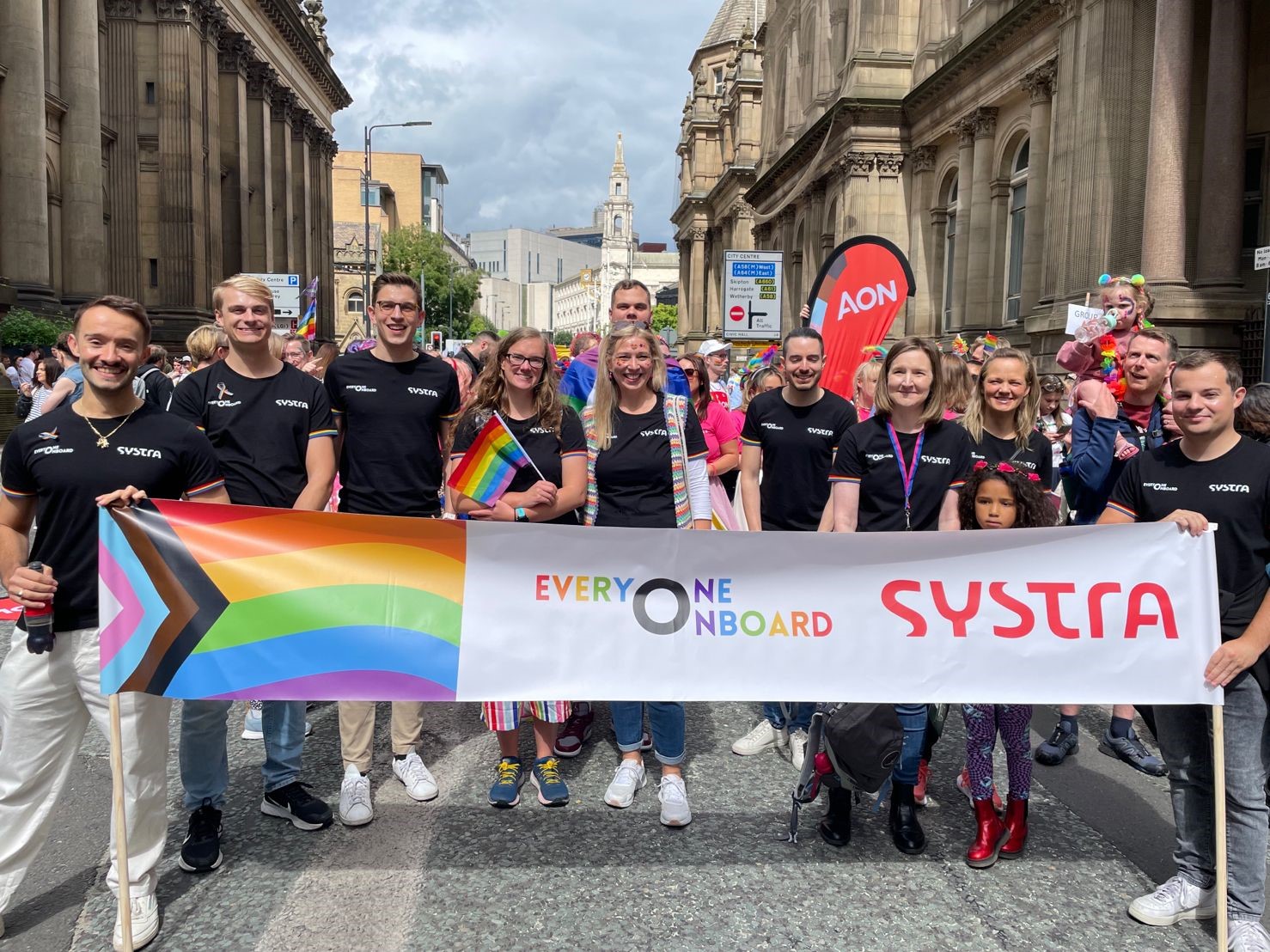
At SYSTRA we place great importance on having an equal, diverse and inclusive workplace, and our Everyone Onboard colleague engagement group is set up to help us promote that environment. Some of our ED&I actions throughout 2023:
- We were awarded the Clear Assured Bronze Status inclusion standard.
- Our colleagues had an amazing time representing SYSTRA at Leeds Pride 2023.
- We launched separate family friendly policies in the UK and Ireland – they go above and beyond the statutory requirements, recognising the need for maternity, birthing parent, adoption, partner and grandparent leave.
- We launched our flexible working policy across the UK and Ireland, so all colleagues can apply for flexible working.
Ecological role win at Sizewell C
We are proud to have been be awarded an environmental services contract with Arcadis to provide Ecological Clerk of Works on the Sizewell C nuclear power station project in Suffolk. The ecology division of our newly formed Nature Positive Discipline is delivering the work.
Business Growth
We made several key senior appointments during the year – Romain Pison joined us as Director of Decarbonisation, Dr Peter Weldon joined as Director of Net Zero, Andrew Dugdale joined as Market Director for Mass Transit, Rail and Highways, and Llewelyn Morgan as Head of Innovation.
In conjunction with the opening of our new Cork office, John Paul Fitzgerald joined us as Director of the new space. The new office is well-prepared to capitalise on local opportunities, as demonstrated by ongoing projects including the proposed Cork Light Rail Transit system, the city-wide bus priority infrastructure improvements through Cork BusConnects EIAR, and the transformative N40 Cork City Southern Ring Road enhancements.
We also opened an exciting new office space for our colleagues in Birmingham, combining two offices that were in different locations in the city, and we grew the business through the acquisition of 3 companies – Bamser, Subterra and Rail Systems Australia and 3 Atkins entities in Denmark, Sweden and Norway.
ECML PSU Hambleton Junction site powered up
The REAL Power Supply Upgrade team (an alliance between SYSTRA, Jacobs, Murphy, Network Rail, Siemens Mobility and VolkerRail) powered up the Hambleton Junction site as part of the East Coast Main Line Power Supply Upgrade.
This was a major milestone, allowing testing of the first ever 50Hz / 70mVa static frequency converter (SFC) on the UK rail network (and the largest SFC delivered by Siemens globally). The short-circuit test conducted at the site verified the capability of the SFC provision and protection of traction power to the rail infrastructure.
Bridges to Prosperity
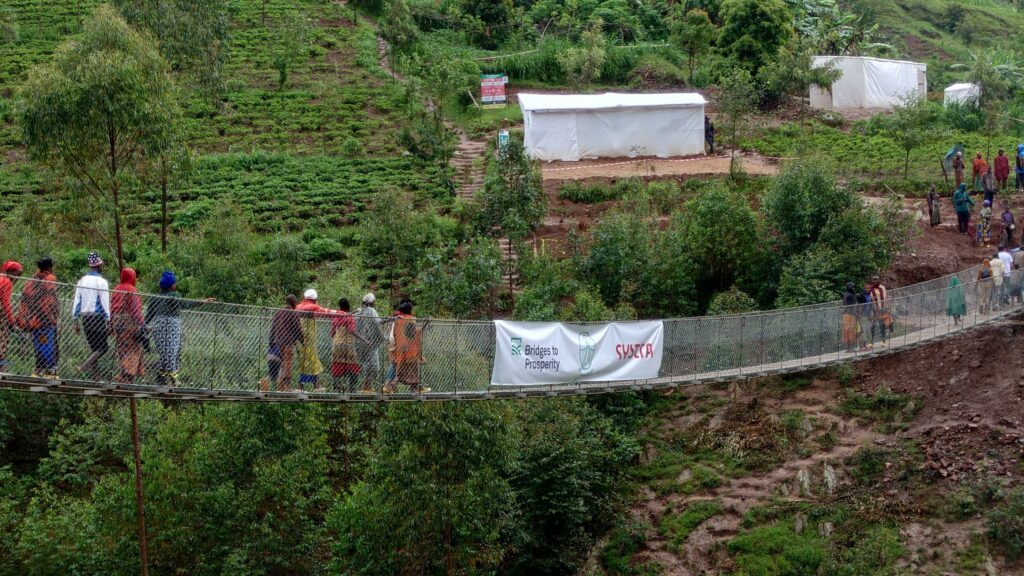
Through Bridges to Prosperity, 10 SYSTRA colleagues from 7 countries (including the UK, France, Brazil, Canada and more), converged in the Rulindo region of Rwanda to construct a bridge aimed at fostering prosperity in the local community by providing better access to vital resources.
Despite continuous heavy rain and thunderstorms, the team did an incredible job across the nine-day period. The Rusumo bridge was officially inaugurated on 17th November, connecting the districts of Rulindo and Gicumbi. The 59-metre suspended structure is the 12th bridge built by B2P in the region (and the 500th worldwide!), promising safe travel for nearly 5,000 inhabitants of the Northern province.
Consultancy Successes
Our consultancy colleagues have worked incredibly hard this year, here are just some of their successes:
- SYSTRA advised the Climate Change Committee (CCC) on electric vehicles – commissioned by the CCC, we undertook research on the differences between ‘typical’ and ‘peak’ demand for electric vehicle charging on the strategic road network across England and Scotland.
- The Tyne and Wear Social Value of Metro Stations – SYSTRA identified and evaluated the social value of a wide range of station activities, including community gardens, farmers markets, the reopening of buildings for hospitality purposes, and even yoga clubs! Alongside Nexus, SYSTRA was awarded the Innovation Project of the Year at the Chartered Institute of Highways and Transportation (CIHT) North East & Cumbria Annual Awards 2023.
- Cycle-Rail Toolkit 3 was launched in Westminster – commissioned by Cycle-Rail Working Group, administrated by Sustrans and developed by SYSTRA, it provides guidance to station owners, Tran Operating Companies, local authorities and other scheme promoters on making the journey to and from the railway station easier by cycle, as well as advising on how best to provide space for cyclists and their cycles at stations and onboard trains.
- We conducted the Brussels Airport Autonomous Mobility Feasibility study. The study covered airside baggage handling and passenger operations, with a view to transition them for pilot implementation.
- In respect of The Greater Manchester Bus Corridors – Streets For All project, we began working with Mott McDonald and Arup to develop bus priority and public realm improvements in two corridors of Greater Manchester (Rochdale Road and Rusholme Centre), with more to follow.
- We kickstarted the Doncaster Active Travel Social Prescribing (ATSP) Monitoring and Evaluation project for City of Doncaster Council. We were appointed to manage the project over the next three years (including monitoring core project metrics and undertaking a Process Evaluation and Impact Evaluation of the project).
- We have developed and appraised a number of alternative approaches for achieving the required reduction of transport carbon emissions in the Isle of Man (in relation to private cars, goods vehicles, buses, domestic aviation, coastal shipping and fishing vessels).
Early Careers Milestones
Nurturing talent and fostering mentorship is a key priority here at SYSTRA, and a number of important early careers activities and successes have taken place in 2023.
Our 2023 Apprentice Launch Event was a roaring success. The event featured many inspiring stories and united apprentices of various levels across consultancy and engineering.
We also launched our Graduate Development Programme for 2023. The new 39-strong cohort learnt about the development they could expect as a SYSTRA graduate, hearing talks from some of our current graduates about their exciting journeys on the programme to date.
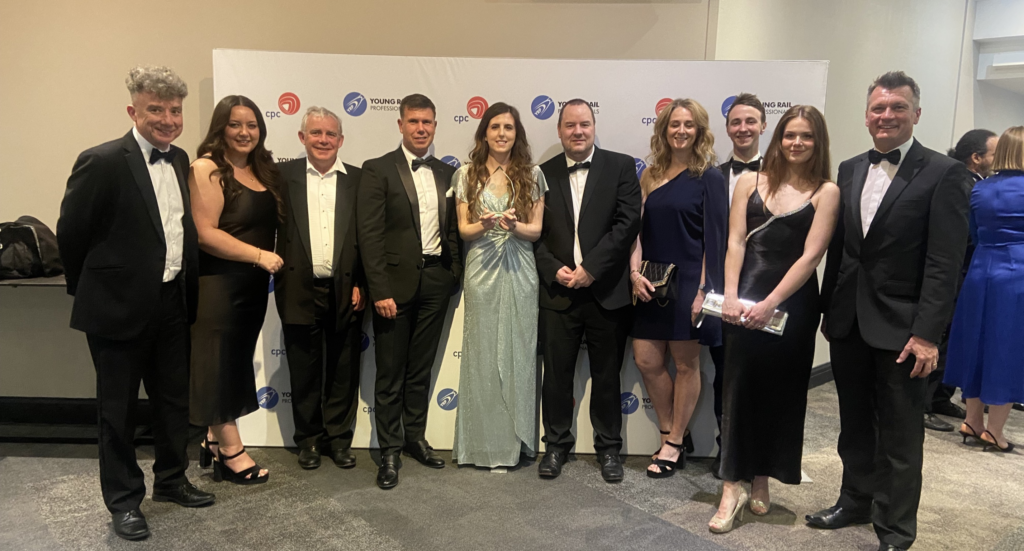
Our Design Coordinator Lucy Davison was also crowned Apprentice of the Year at the Young Rail Professionals Awards! The submission showcased Lucy as an ICE Future Leader, her co-leadership of SYSTRA’s Early Careers Group, and her work on projects such as the Transpennine Route Upgrade and the Azuma InterCity Express Programme.
Consultancy Successes In Ireland
Our SYSTRA experts have been working extremely hard in Ireland as we continue to grow our presence there, with some of their including:
- The Greater Dublin Area Demand Management study.
- A business case for bus station accessibility enhancements.
- A commission, alongside Jacobs, on the BusConnects project in Cork, to undertake the technical aspects of delivering the transport modelling, Transport Impact Assessment and Traffic and Transport Chapters of the Environmental Impact Assessment for up to six bus-based sustainable transport corridor schemes in the city.
- A business case for the Train Projection System, Onboard and Trackside rollout across Ireland.
- A business case for the Foynes Line reinstatement for freight services, as part of a wider policy to dramatically increase the levels of freight on Ireland’s rail network.
Yorkshire Water Combined Sewer Overflow design package win
We were awarded the Yorkshire Water Combined Sewer Overflow design package through Sapphire Utility Solutions (SUS), to design 3 new storage shafts, reducing the frequency of sewage spills from Combined Sewer Overflows (CSO) causing pollution in Yorkshire watercourses. The multidisciplinary project is being delivered by our environmental services, civils and M&E engineering teams.
We also won a contract through SUS to deliver several Sustainable Urban Drainage schemes at Yorkshire schools, which will see us undertaking invaluable STEM engagement activities.
TRANSpeNNINE RoUTE UPGRADE Successes
Throughout the year we celebrated a number of successful milestones on the Transpennine Route Upgrade project. TRU East is the alliance (between Network Rail, VolkerRail, Siemens, Murphy and SYSTRA) set to deliver the works between Leeds and York, and we are undertaking multiple design roles across the project.
- Overhead Line Equipment (OLE) was installed at the Neville Hill depot.
- Neville Hill’s Track Sectioning Cabin (TSC) was landed.
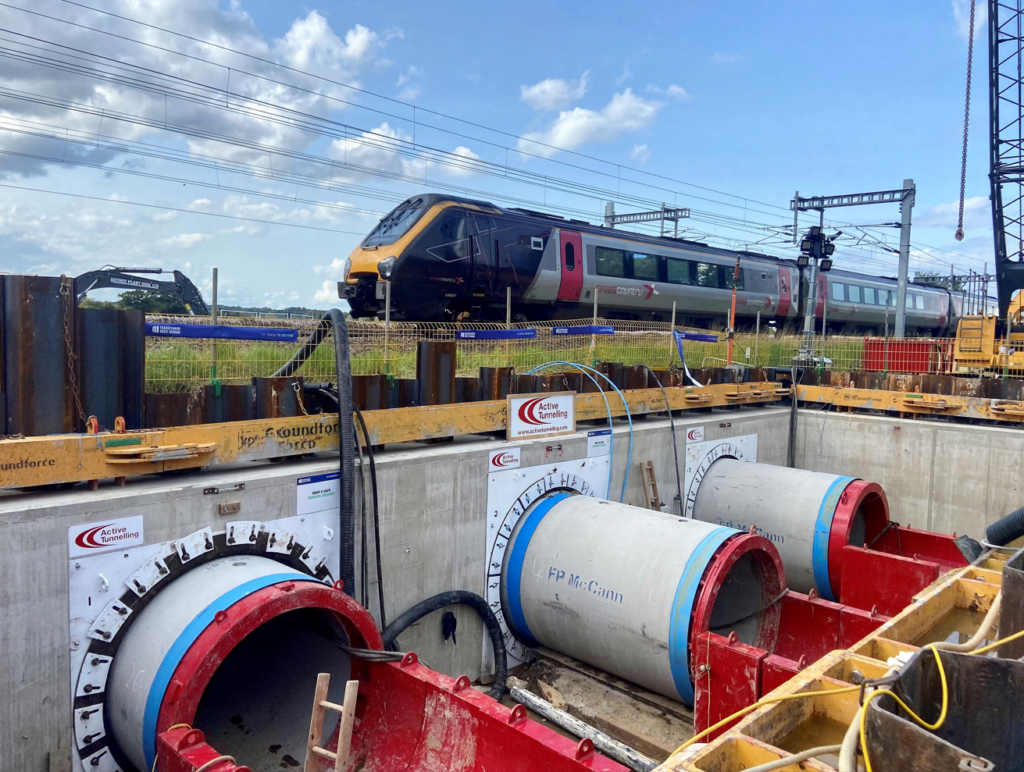
- The project achieved the first UK active tunnelling under a live railway!
- E1 track renewals were completed between Colton Junction and Church Fenton.
- OLE installation was completed on the Leeds lines.
Opening of the Gatwick Airport station redevelopment
The Gatwick Airport station redevelopment project opened to the public in November, after years of intensive work. The upgraded station is one of the country’s busiest, serving over 20 million passengers every year. The passenger experience has been completely transformed, from train to plane and plane to train.
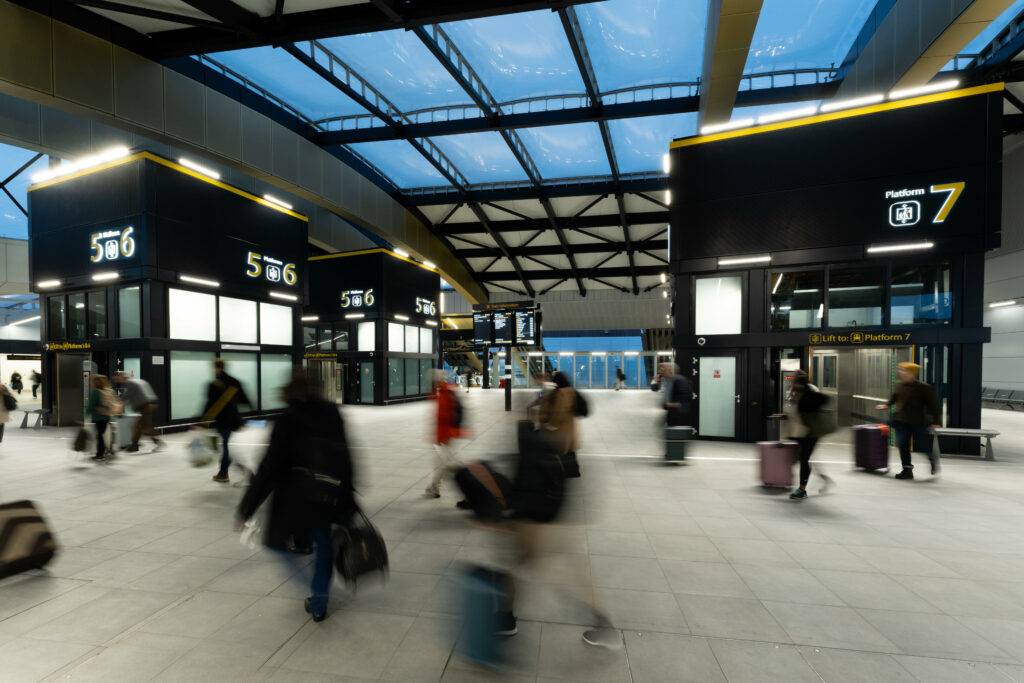
Our SYSTRA experts are very proud to have led on the architecture, design and engineering of the new-look station, which is now far brighter and more intuitive for passengers, boasting a new concourse and airport entrance, and doubling the space for the millions of people who pass through it. The finished design features a second concourse and airport entrance, with 8 new escalators, 5 new lifts, 4 new stairways and widened platforms.
Great place TO Work
Ensuring SYSTRA is a Great Place To Work is so important to us. Making sure that our colleagues feel appreciated; are able to both personally and professionally develop; and are comfortable, positive and inspired in their working environment, is a crucial part of this. Throughout the year we’ve been prioritising that mission.
We won Employer of the Year at Peloton’s SPOTLIGHT Rail Awards in April! Receiving this award was a very proud moment for us, as it recognised our commitment to listening to our colleagues, taking action and striving to go above and beyond. Our awards entry focused on the progress we’ve made in a number of areas including health and wellbeing; equality, diversity and inclusion; and training and development.
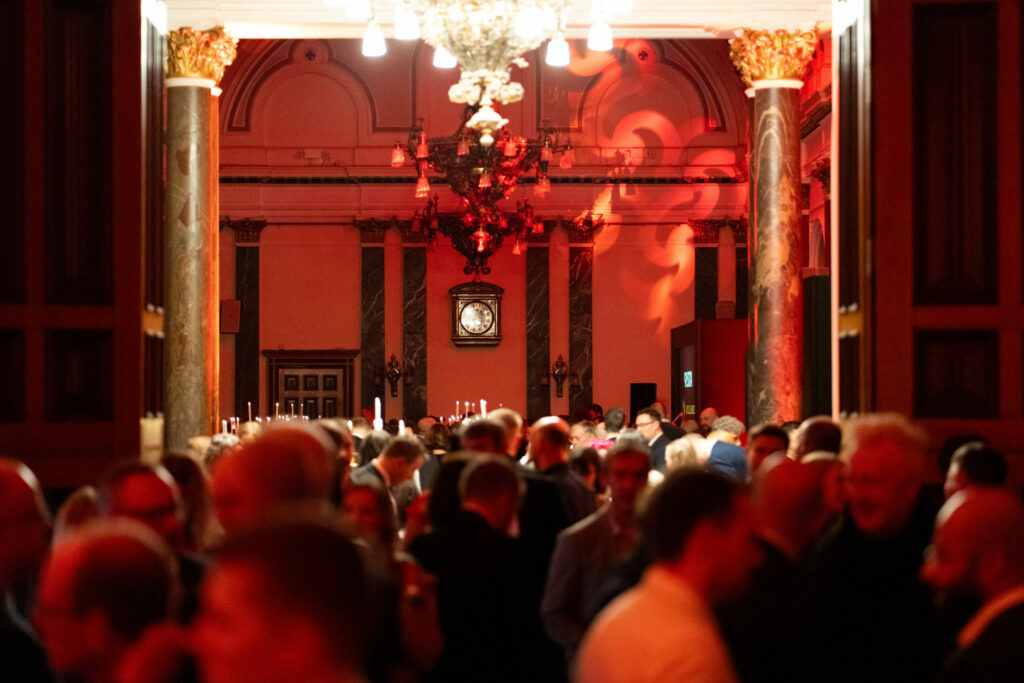
Our internal Excellence Awards in November were a roaring success. So many of our colleagues were recognised for their hard work, dedication and ingenuity.
We launched our Next Generation Leadership Team (NGLT) for our engineering division. The team will play a key role in shaping the future of SYSTRA, actively participating in a 12-month programme alongside our Senior Leadership Team (SLT).
Awards
All our hard-working SYSTRA experts have contributed to the following successes, in many cases collaborating alongside our partners – thank you and well done to everyone!
Wins:
- Environmental Best Practice, Green Apple Awards – HS2’s Old Oak Common.
- Innovation Project of the Year, CIHT North East and Cumbria Annual Awards – Social Value of the Tyne & Wear Metro study.
- Community Overall Ultra Site, Considerate Constructors Scheme Leading Lights Awards – HS2’s Old Oak Common for its Skills, Employment and Education Strategy.
- Design for People, HS2 Inspiration Awards – The Delta Junction (River Cole East and West Viaducts, Chattle Hill Box Structure and Water Orton Viaducts).
- Design for Time, HS2 Inspiration Awards – Area North Context Urban Integration Studies.
- Contribution to Sustainable Transport, Scottish Transport Awards – Blackford Sidings.
- Sustainability Award, CIHT Awards – Lambeth Kerbside Strategy.
- Apprentice of the Year, Young Rail Professional Awards – Lucy Davison.
- Employer of the Year at the Peloton SPOTLIGHT Rail Awards.
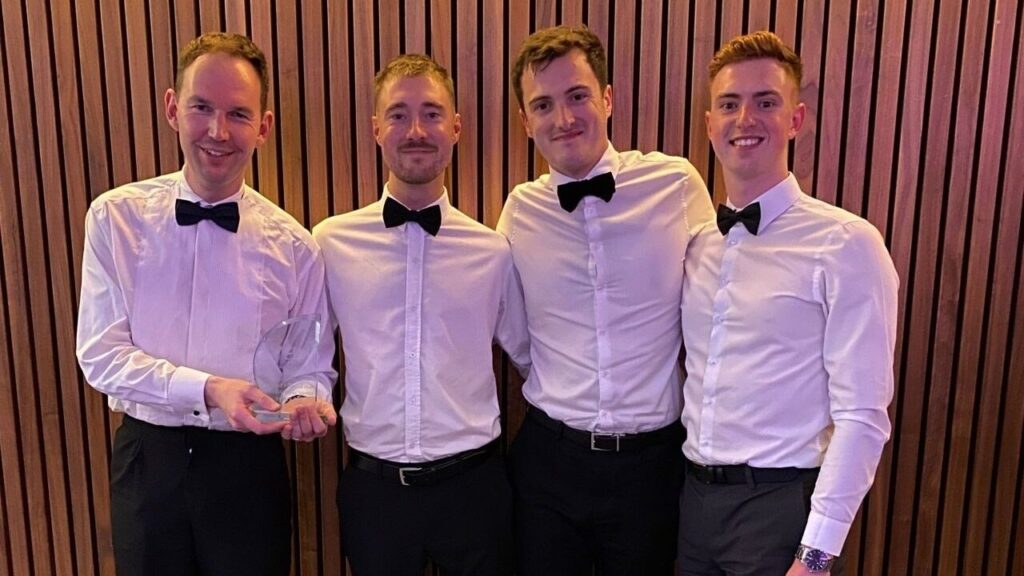
Highly commended:
- Design for Place, HS2 Inspiration Awards – Streethay Cutting Area, Environmental Design Integration.
- People Place Time, HS2 Inspiration Awards – Old Oak Common Station Public Realm.
Special recognition
- Vision of the Year, Global Light Rail Awards – Bologna Tram Network.
Shortlisted
- UK project with a geotechnical value of between £500k and £1m, Ground Engineering Awards.
And that’s a wrap on our year in review. What a year it’s been! We’d like to wish our colleagues, partners and clients a very happy new year – here’s to 2024!
If you’d like to work with us in any capacity, please get in touch with our experts here.
Gatwick Station redevelopment opens to the publicThe new-look station, designed by SYSTRA experts, is brighter and more intuitive for passengers with a new concourse and airport entrance (pictured), doubling the space for the millions of people who pass through each year.
Gatwick Airport train station was originally built in 1958 to accommodate between 5-10 million passengers per year, and today serves over 20 million passengers. This rise has led to crowded and often chaotic conditions on the platform and at ticketing booths. With Gatwick Airport’s target to increase the share of passengers arriving by train from 42% to 50% by 2040, a complete station transformation was needed.
SYSTRA was appointed by construction company Costain in 2016 to lead the architecture, design and engineering of the much-needed improvements for the Network Rail-owned station. SYSTRA’s architecture team managed the station design from early concept through its formal planning approval and final detailed design.
In addition to ensuring the station could continue to function during the work, they faced challenges around creating new space, improving the passenger experience and safety, relocating train crew offices, and incorporating better use of natural light.
The finished design features a second concourse and airport entrance, with eight new escalators, five new lifts, four new stairways, and widened platforms.
Nick Salt, CEO, SYSTRA, said, “Putting the passenger experience at the fore, the SYSTRA architecture team have excelled in designing an upgraded Gatwick Airport station that will help make journeys in to and out of the airport much smoother. The extra space and functionality created are crucial to the targeted growth in rail journeys to the station, and our team of experts have ensured that sustainability and safety are built-in to the design. It’s great to see passengers using the new concourse and we’re proud to have worked with Network Rail and Costain on this crucial transport infrastructure project.”

We are thrilled to have led the design of the upgraded Gatwick Airport station, which will completely transform the passenger experience. The SYSTRA team rose to the challenge of working in a live station and airport environment, designing a stunning and functional space that will support more efficient, reliable and sustainable travel.
Jordan Gill, Principal Architect, SYSTRA Ltd
SYSTRA has been successfully delivering station architecture and design improvements for high-speed rail, conventional rail, metro and other mass transit projects around the world for over 70 years.
SYSTRA’s architecture team is currently working on HS2’s Old Oak Common Station, west London and has led the redevelopment of award-winning Reading Station and Leeds City Station.
Read the full case study on how we transformed the station at Gatwick Airport.
The new office space is located in the heart of the bustling regenerated Cork Docklands area at Lapps Quay. The opening of the new office reflects SYSTRA’s ongoing expansion in Ireland.
SYSTRA’s Cork office will be managed by newly appointed Director, John Paul FitzGerald, a chartered engineer with 20 years’ experience in transport engineering, planning, modelling and appraisal. John Paul has an impressive track record in delivering for the Southern Region’s growth ambitions as Project Manager on the Metropolitan Area Transport Strategies for Cork, Limerick-Shannon and Waterford, and on projects including the Dunkettle Interchange Upgrade, Cork Docks Regneration, Limerick Inter-City Rail Improvements, and Kilkenny Active Travel Networks. With John Paul’s leadership, SYSTRA is poised to support the development of much needed transport improvements in Cork City and beyond.
SYSTRA is one of Ireland’s leading transport planning, engineering and infrastructure specialists, working on key projects for the Department of Transport, National Transport Authority, Transport Infrastructure Ireland and Irish Rail. SYSTRA has been pivotal in supporting Cork’s growth through its work on Cork Metropolitan Area Transport Strategy, Cork City Centre Movement Strategy, Cork Light Rail Transit and Cork BusConnects.

John Paul FitzGerald, Director Southern Region, SYSTRA said, “With Cork metropolitan area having a projected population growth of over 50% by 2040, it’s is an exciting time to be opening an office in Cork City. Personally, it means a lot to me and to SYSTRA to support the delivery of the Cork Metropolitan Area Transport Strategy, and to help Cork transform into a leader in sustainable transport. Our work on transport projects right across Ireland is diverse and incredibly rewarding. As well as growing our portfolio of work in Ireland we will continue to support our colleagues on complex global projects in the UK, France and around the world.”blanditiis.
Nick Salt, Managing Director UK & Ireland, SYSTRA, said, “Our new office in Cork City is testament to our commitment to our local clients in Ireland. We are looking forward to growing our business in the region and supporting the delivery of sustainable infrastructure across the country.
SYSTRA advises Commission for Climate Change on EVsA team from SYSTRA led by @Jordan Di Trapani and Erik Nielsen was commissioned in 2023 by the independent statutory body the Climate Change Committee (CCC) to undertake research on the differences between ‘typical’ and ‘peak’ demand for electric vehicle charging on the strategic road network (SRN) across England and Scotland. The research assessed the impact of these differences on the required levels of charging infrastructure forecast to meet demand through to 2050.
The work involved in-depth analysis of traffic flow data on along 29 English and Scottish strategic routes selected to represent a variety of journey destinations and lengths across the SRN and include existing charge point usage data. The team used the CCC’s modelling tool ‘En Route Charging Optimisation’ (ERCO), which SYSTRA had previously helped to develop, to model and determine the optimal charging network across five demand scenarios and three optimisation scenarios. Results have also been visualised through interactive appendices to accompany the report, developed by our Data Science team.
Traffic flow data and charging data for 2022 were compared for each of the routes, the peak days were selected as the top 5% days in each year. Our analysis found that there are substantial peaks in both traffic flows and charging demand above typical levels, but they do not necessarily occur on the same day. Both sets of peaks are however focused on weekends.
The research concluded that the current charging network plan which is designed to cater for typical levels of demand will not be sufficient to meet demand peaks. To achieve acceptable wait times and enable drivers to charge reliably at peak times, the network will need an additional 18% capacity relative to a typical day by 2035.
Crucially, optimising the en route charging network to meet peak demand could result in carbon savings of 1.1m kg by 2035 and 2m kg by 2050.
As more EVs enter the fleet significant charging infrastructure investment will be required to meet demands for en route charging, ensuring people are confident using their EV for longer journeys and ensuring EV uptake continues. The report also provides projections on the anticipated capital costs required and suggests that significant public investment will be required to meet charging demands whilst working with the private sector.
The report was submitted by the CCC as evidence to the House of Lords Environment and Climate Change Committee inquiry into the EV transition to meet the deadline on 15th September 2023.

The CCC was established under the Climate Change Act 2008. Its purpose is to advise the UK and devolved governments on emissions targets and to report to Parliament on progress made in reducing greenhouse gas emissions and preparing for and adapting to the impacts of climate change.
Read the full report, including key findings and the recommended actions required
The acquisition of Bamser, in Australia, and Subterra, in Spain, positions SYSTRA as a leading global player in the field of tunnel design and construction.
SYSTRA, a member of the British Tunnelling Society, recently completed the acquisition of two companies dedicated to the design of tunnels and underground structures, Bamser, and Subterra. Both acquisitions reinforce SYSTRA’s position as a leading global player in the field of complex tunnels, following the acquisition in 2021 of Italian based SWS Engineering.
With a number of high-profile subterranean infrastructure projects planned in the UK over the coming years, SYSTRA will be uniquely positioned to be able to draw on over 600 global tunnelling and underground infrastructure specialists to support its UK-based team in the delivery of major infrastructure. SYSTRA’s UK and Ireland presence has grown over the past few years to a team of over 1000, with major infrastructure expertise including geotechnical and ground engineering, BIM modelling, civil and structural design and assessment, planning consents and environmental biodiversity.

As we look to grow our infrastructure portfolio across the UK and Ireland, these acquisitions further consolidate the expertise we can offer. Tunnels are complex structures requiring specialised skills, I am delighted we can draw upon such a significant resource to support our clients in engineering underground structures.
Nick Salt, Managing Director UK & Ireland, SYSTRA
We have over 600 tunnelling experts at SYSTRA. We are currently project managing the development of much of the Paris Metro, an enormous project known as ‘Grand Paris’ involving 200km new lines + 68 new stations. Learn more about our tunnelling engineering services.
