
 Australia
  Brazil
  Canada
  Chile
Chile  China
China  Columbia
  Denmark
  Egypt
Egypt  France
  Indonesia
  Ireland
  Italy
Italy  Malaysia
  New Zealand
  Norway
  Panama
  Peru
Peru  Poland
  Portugal
  Saudi Arabia
  Singapore
  South Korea
  Spain
Spain  Sweden
  Taiwan
  Thailand
  Türkiye
  United Kingdom
  United States
  Vietnam


SYSTRA is delivering comprehensive planning expertise to develop integrated Zonal Master Plans and Sub-Zonal Tourism Master Plans for the Eco-Sensitive Zones (ESZs) in Cluster 5. These plans promote sustainable development. In addition, they safeguard the ecological integrity of protected areas. They also support regulated tourism and enhance community livelihoods in harmony with nature.
The project focuses on two core deliverables:
- Preparation of detailed Zonal Master Plans on a cluster basis to regulate land use. These plans also address infrastructure and conservation measures.
- Preparation of Sub-Zonal Tourism Master Plans to foster responsible, low-impact tourism. Such tourism strengthens local economies without compromising biodiversity.
Key features of the project
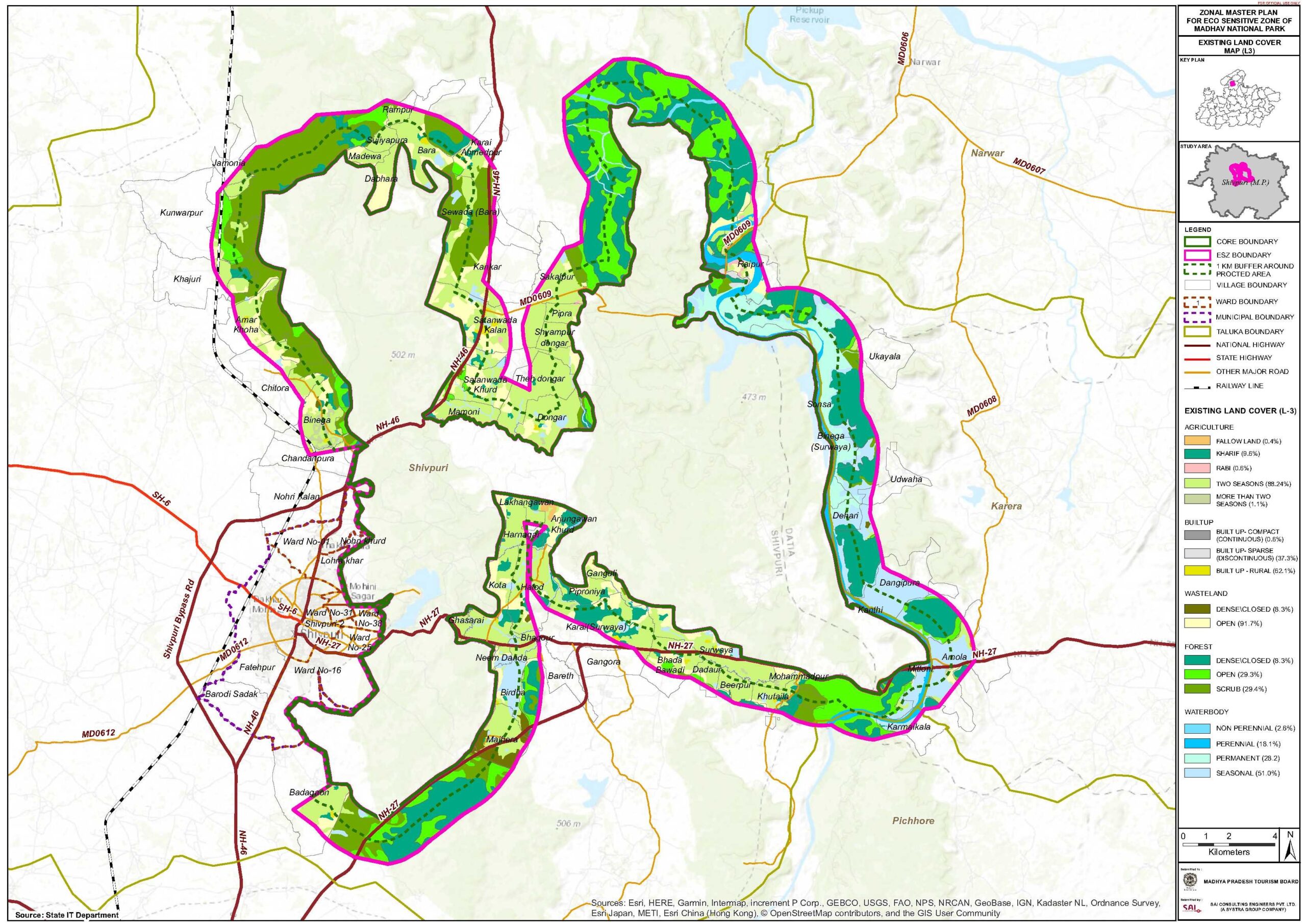
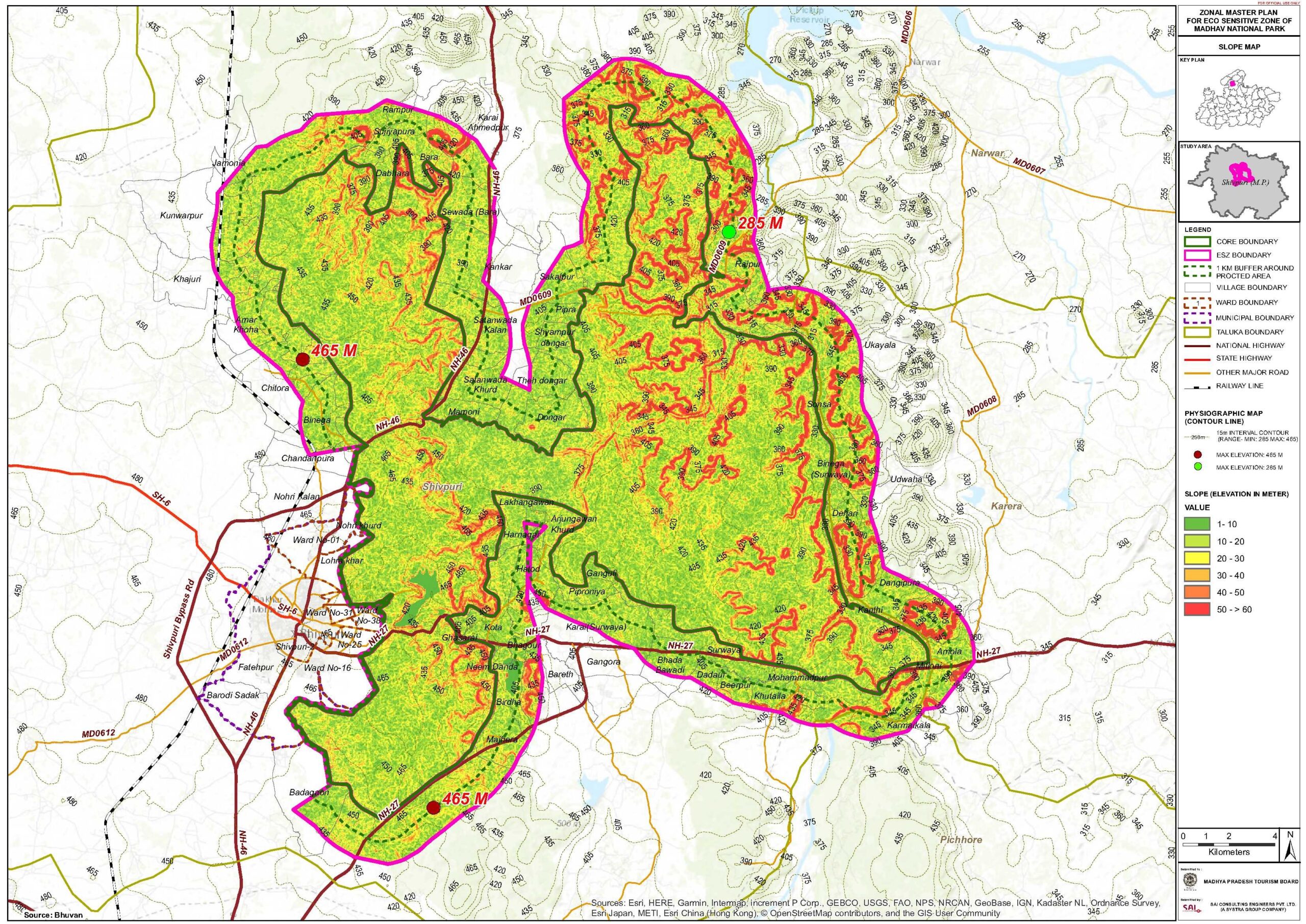
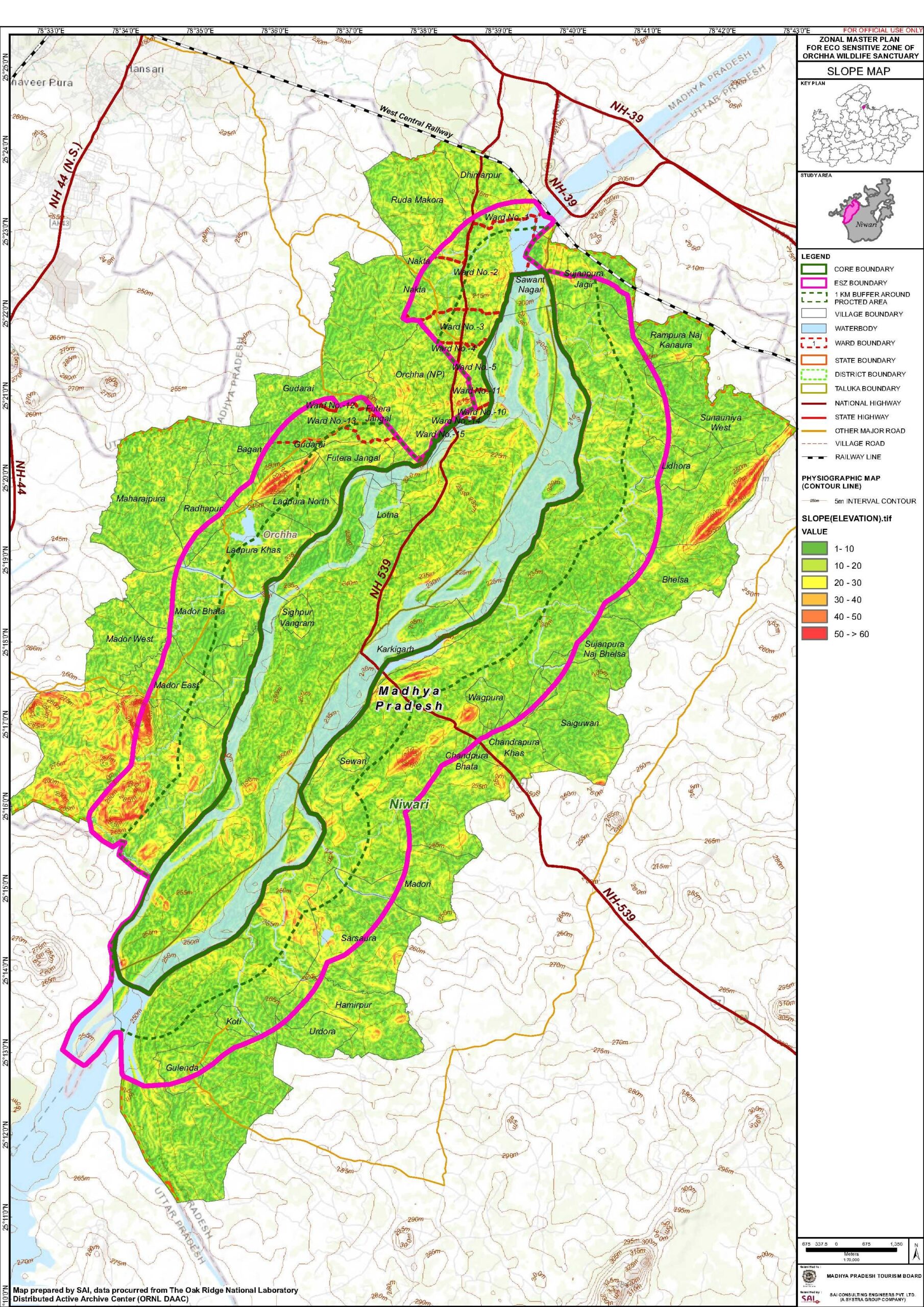
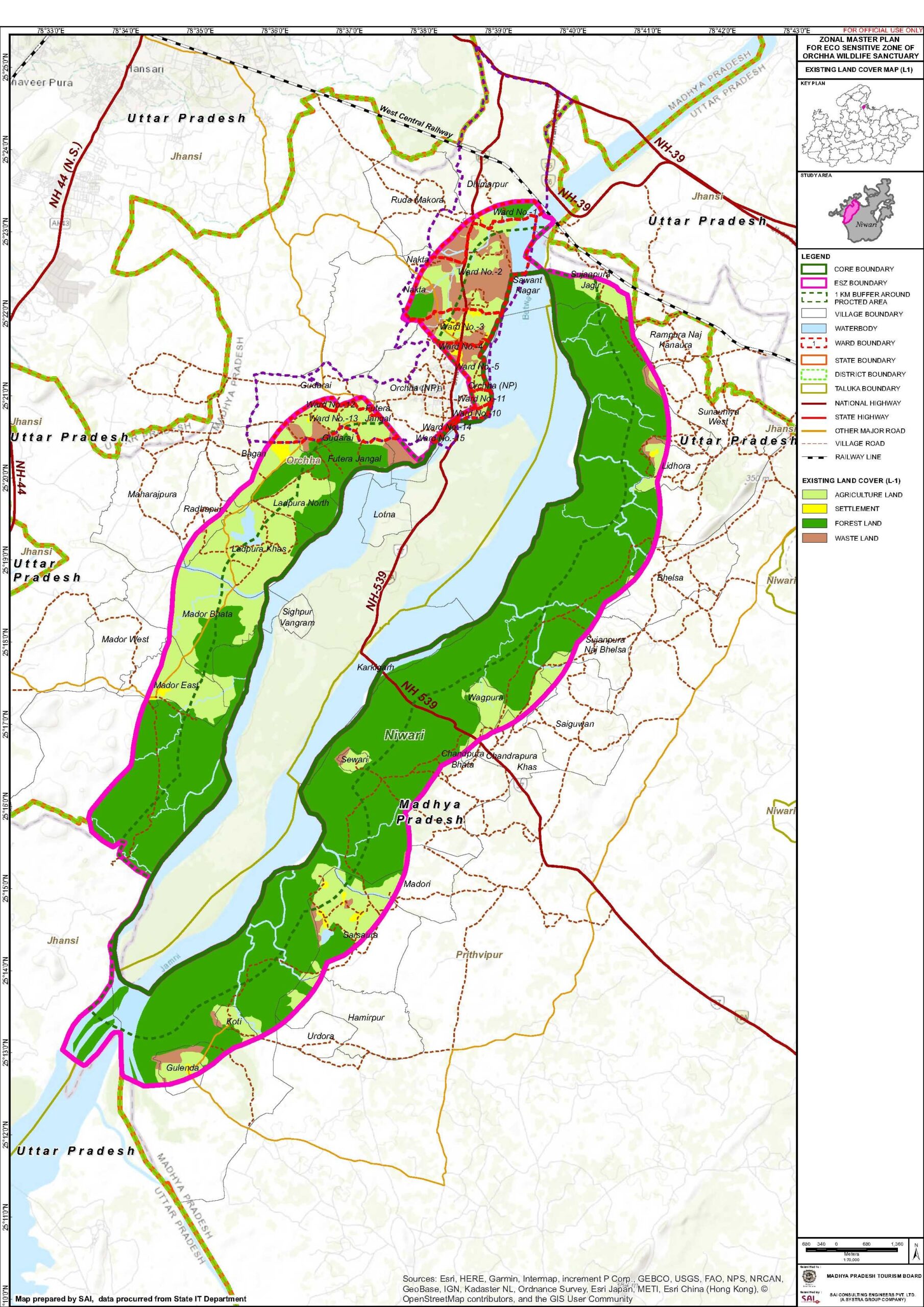
- Cluster-Based Zonal Master Planning: Cluster 5 (Madhav Cluster) encompasses Madhav National Park, Orchha Wildlife Sanctuary, Kuno-Palpur Wildlife Sanctuary, Ghatigaon Hukna Wildlife Sanctuary, and National Chambal Wildlife Sanctuary.
- Holistic Baseline Assessment: In-depth studies covering forest ecology, environmental parameters, socio-economic profiles, livelihoods, land cover/use patterns, tourism potential, demography, and existing infrastructure.
- Balanced Land-Use Proposals: Development of spatial plans that harmonise conservation priorities with controlled development. The plans ensure minimal ecological footprint while supporting sustainable growth in the ESZs.
- Sub-Zonal Tourism Master Plan: Identification of eco-friendly tourism activities and strengthening and upgrading existing tourism infrastructure. Additionally, the plan pinpoints new potential tourism sites and proposes visitor management strategies aligned with carrying capacity.
- Policy, Regulatory & Implementation Framework: Formulation of policy interventions, regulatory guidelines, phased implementation strategies, and budgeting. Furthermore, the framework contains financing mechanisms and monitoring frameworks to ensure long-term sustainability and effective stakeholder coordination.