Australia
  Brazil
  Canada
  Chile
Chile  Columbia
  Denmark
  Egypt
Egypt  France
  India
India  Indonesia
  Ireland
  Italy
Italy  Malaysia
  New Zealand
  Norway
  Panama
  Peru
Peru  Poland
  Portugal
  Saudi Arabia
  Singapore
  South Korea
  Spain
Spain  Sweden
  Taiwan
  Thailand
  Türkiye
  United Kingdom
  United States
  Vietnam


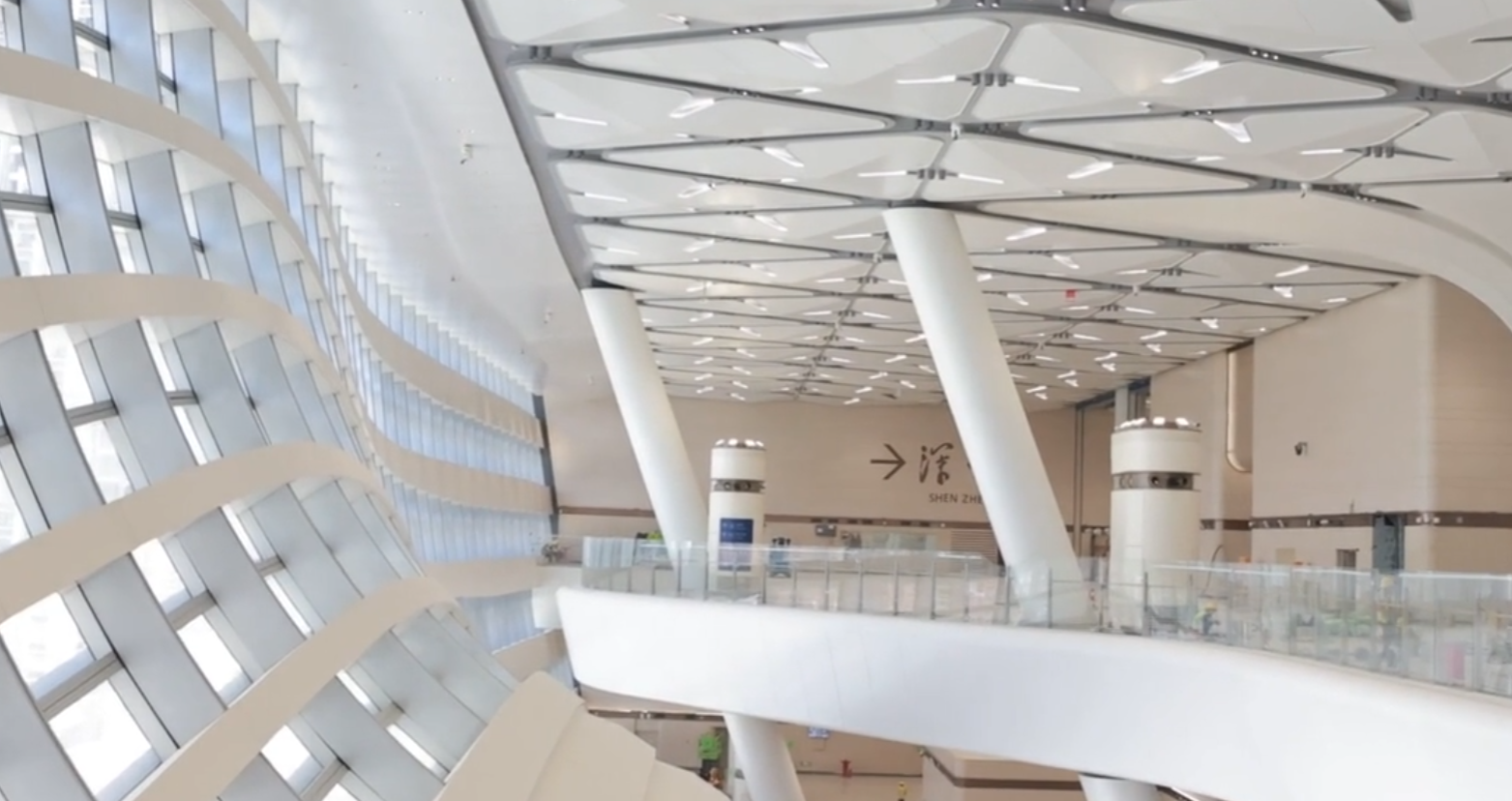
The Port is designed to handle a daily passenger throughput of 200,000 to 300,000 person-times, playing a critical role in regional cross-boundary mobility.
SYSTRA Hong Kong worked alongside the lead architect Aedas to provide comprehensive transport planning and traffic engineering consultancy services for the project. Throughout the planning, and construction stages, the team successfully addressed multi-dimensional transport engineering challenges, ensuring that the design seamlessly aligns with operational requirements.
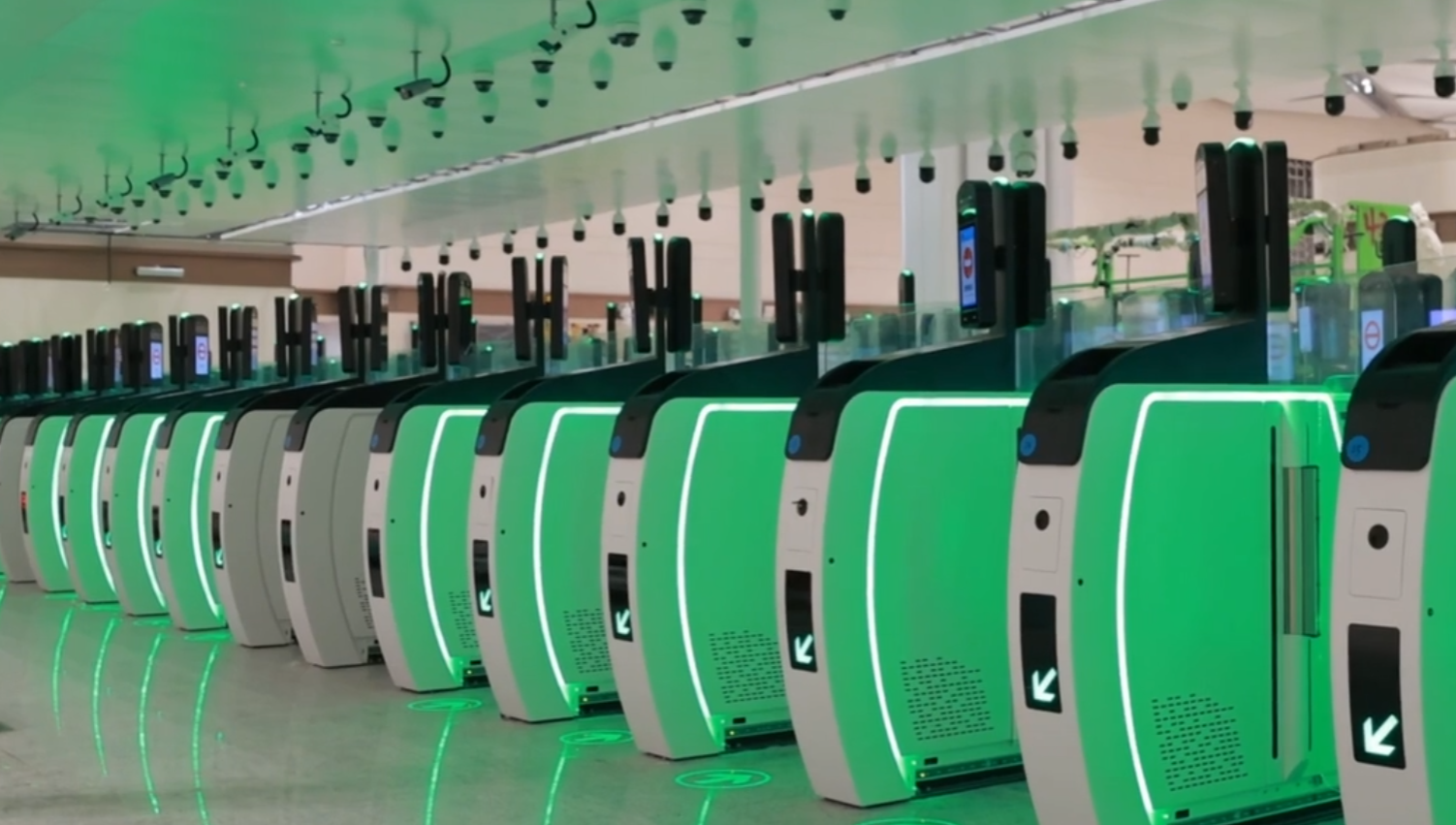
Departing from the previous “two locations, two inspections” model and traditional remote connection arrangements, the new port adopts a “co-location” framework integrated with a “collaborative inspection and single release” clearance system. This enables travellers to complete border clearances in under 5 minutes. As the only 24-hour land passenger port operating between Shenzhen and Hong Kong, the upgraded facilities significantly strengthen cross-boundary transport capability during late-night and early-morning hours. Furthermore, it also seamlessly connects the Shenzhen and Hong Kong sides of the Hetao Shenzhen-Hong Kong Science and Technology Innovation Cooperation Zone, providing reliable and efficient transport support for the movement of research talent and industrial resources between the two sides.
The core transportation engineering components encompass the underground Public Transport Interchange (PTI) within the Passenger Terminal Building, a multi-layered rail transit network integrating five lines, dedicated halls for vehicle clearance and accompanying passengers, and the overall planning of Hong Kong’s land feeder transport network.
From the “Yellow Bus” Legacy to a Next-Generation Multi-Modal Hub

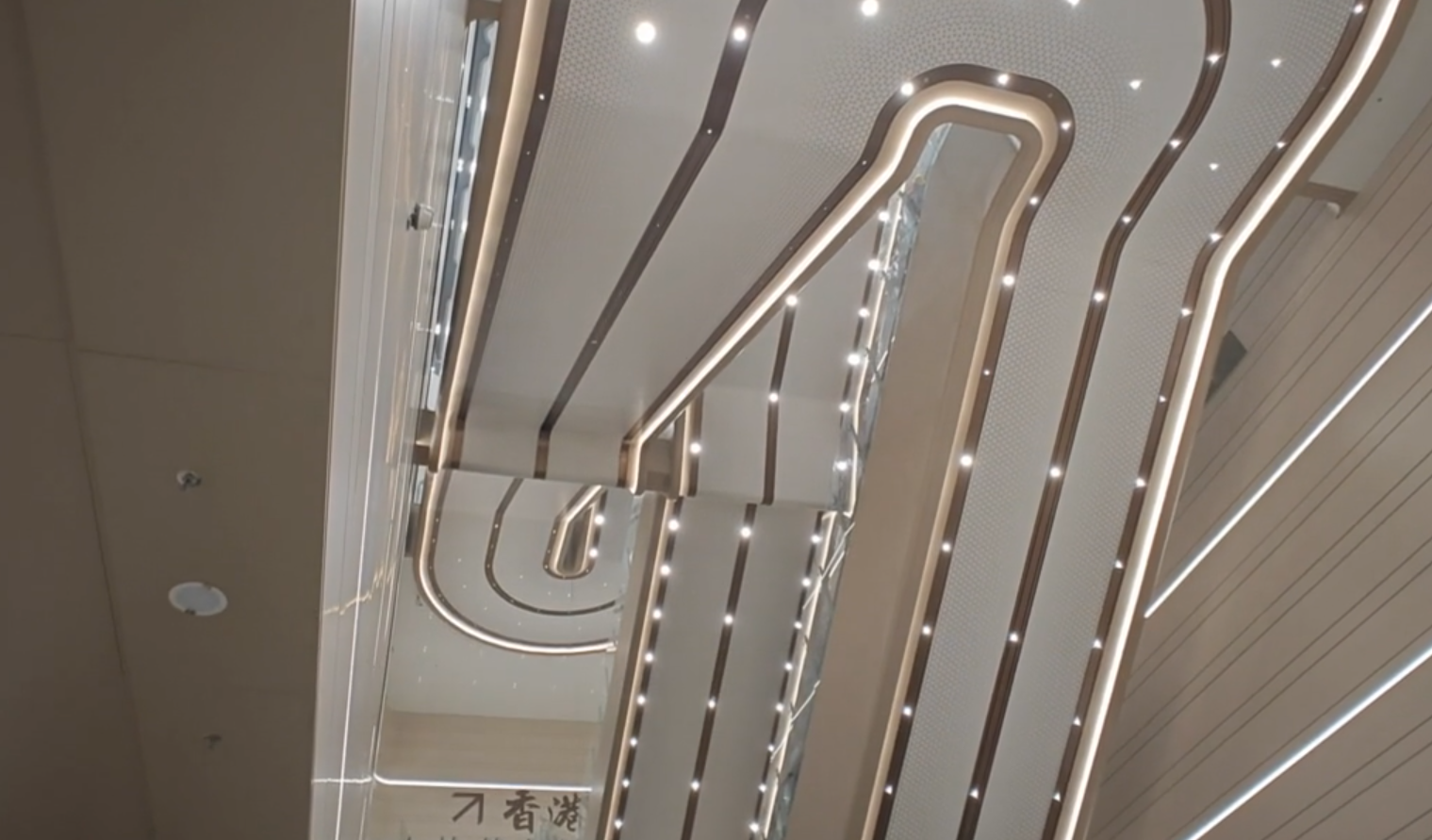
With the opening of the new port, the Lok Ma Chau–Huanggang Cross-Boundary Shuttle Bus (commonly known as the “Yellow Bus”), which has served the public for many years, will officially retire. Public transport vehicles from both Hong Kong and Shenzhen will drive directly into the indoor PTI inside the terminal. Located on the basement level, the PTI features a climate-controlled waiting environment with clear directional signage, featuring dedicated zones for franchised buses, green minibuses, taxis, and cross-boundary coaches. Upon clearing customs, passengers can take escalators straight down to the PTI to seamlessly transfer to various cross-boundary public transport options fully sheltered from the weather, forming a robust feeder network spanning rail, road, and intercity railways.
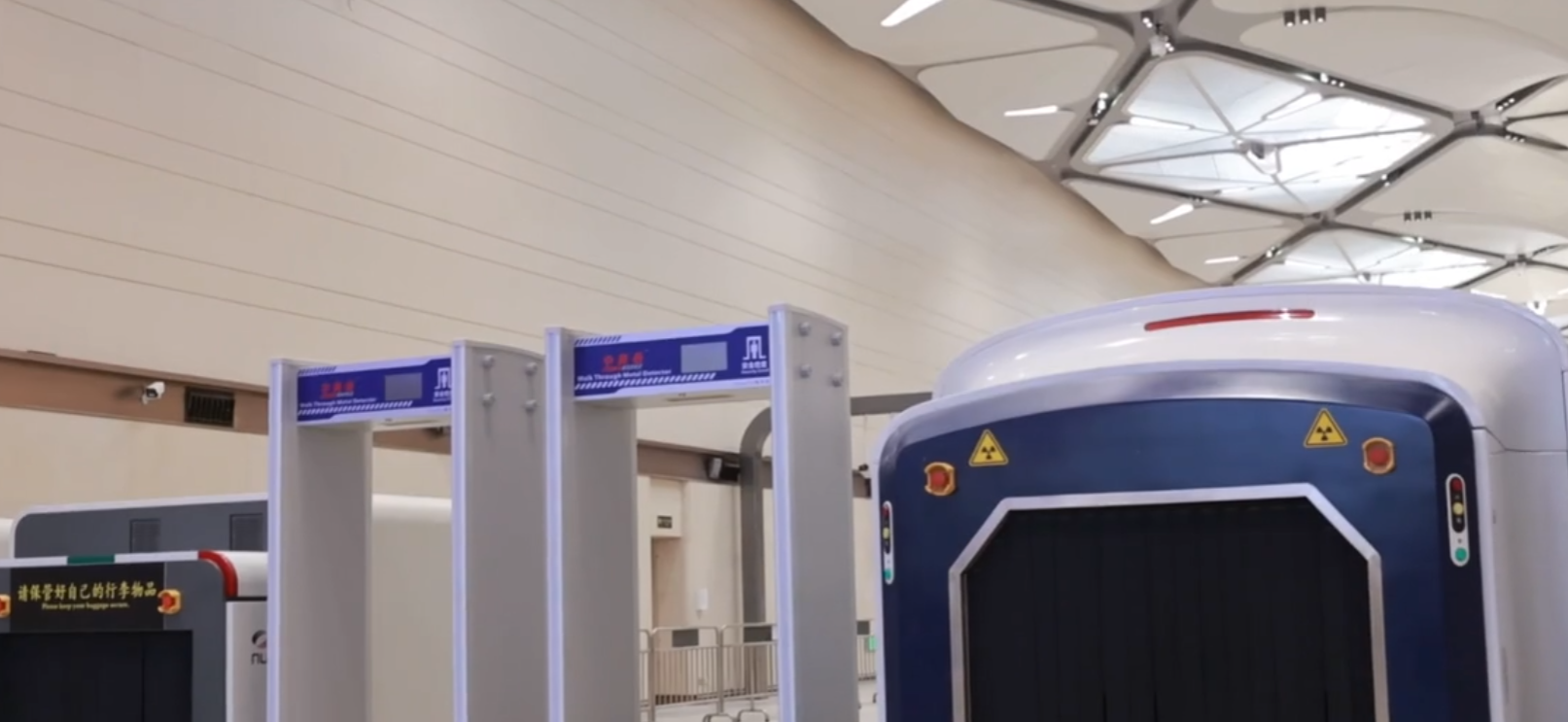
The ground floor of the terminal is equipped with modern inspection kiosks for private cars and cross-boundary buses, alongside dedicated clearance halls for vehicles and accompanying passengers. Specially designed for passengers traveling via business cars, cross-boundary coaches, and private vehicles, this setup spares them from navigating the general passenger hall, greatly improving convenience for family and business travel.
The Port is connected with multiple existing and future railway network to achieve seamless integration between the Shenzhen and Hong Kong rail networks. Directly connected to the terminal building are Shenzhen Metro Line 7, providing swift access to Futian and Nanshan core districts, and the Guangzhou–Dongguan–Shenzhen Intercity Railway (Qianhai to Huanggang section), operating at speeds of up to 160 km/h to connect directly with Qianhai, Nanshan, and Shenzhen Bao’an International Airport. Future railway lines will include the Shenzhen-Guangzhou Central Axis Intercity Line, Shenzhen Metro Line 20, and the MTR Northern Link Spur Line, further cutting cross-boundary commute times and expanding regional transport capacity.


Additionally, the HK Transport Department has comprehensively restructured and expanded local feeder bus and minibus routes. This includes introducing 4 new franchised bus routes, extending feeder service coverage to strengthen connectivity between the new port and the rest of the urban area.
Press contact:
Marketing & Communications
Email: [email protected]