Australia
  Brazil
  Canada
  Chile
Chile  China
China  Columbia
  Egypt
Egypt  France
  India
India  Indonesia
  Ireland
  Italy
Italy  Malaysia
  New Zealand
  Norway
  Panama
  Peru
Peru  Poland
  Portugal
  Saudi Arabia
  Singapore
  South Korea
  Spain
Spain  Sweden
  Taiwan
  Thailand
  Türkiye
  United Kingdom
  United States
  Vietnam


SYSTRA has been involved in one out of every two driverless metro lines in the world. In Denmark, we have been involved in all five existing lines of the Copenhagen Metro. We work on everything from designing new networks from scratch to developing new lines, extensions, and optimisations, all the way through to the full automation of existing infrastructure. Our experts cover all the specific aspects of metro projects.
More than 20 years of collaboration on metro in Denmark
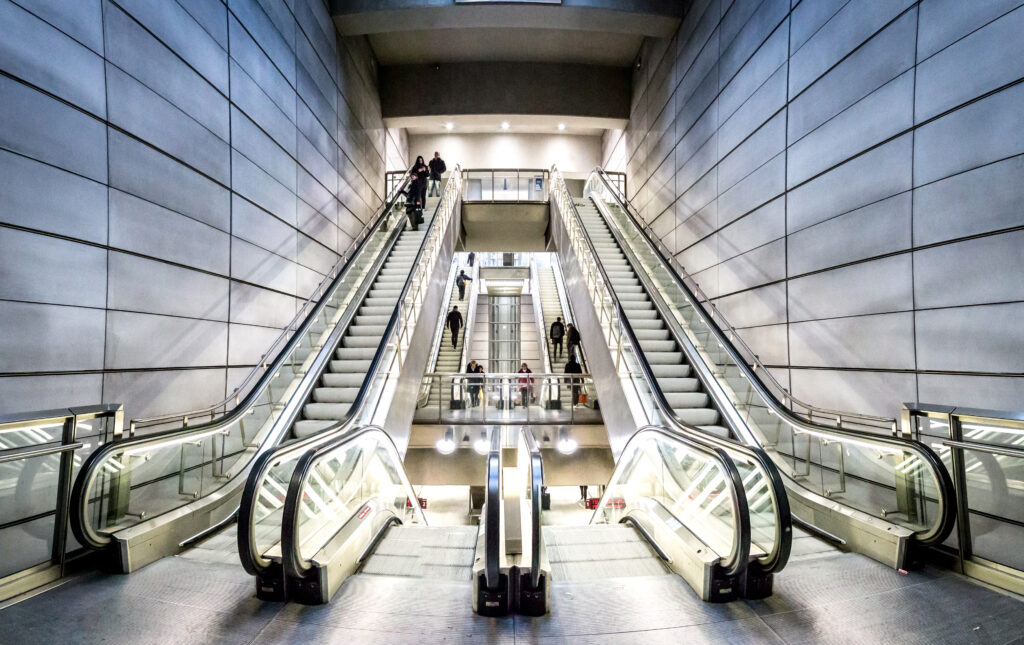
Metro systems in densely populated urban areas are among the fastest, most efficient, and most sustainable ways of moving large numbers of people around cities. At SYSTRA, we are proud to have been part of the development of the Copenhagen Metro since its very beginning.
As part of the client advisory team, we prepared the requirements specification for the entire transport system for the Cityringen (M3), including the Control and Maintenance Center, and assisted Metroselskabet through to the opening of the Cityringen as well as the M4 extensions to Nordhavn and Sydhavn. Building on this, we are now undertaking a similar role for the future M5 line, which both addresses capacity challenges towards Amager and ensures service to new urban development areas.
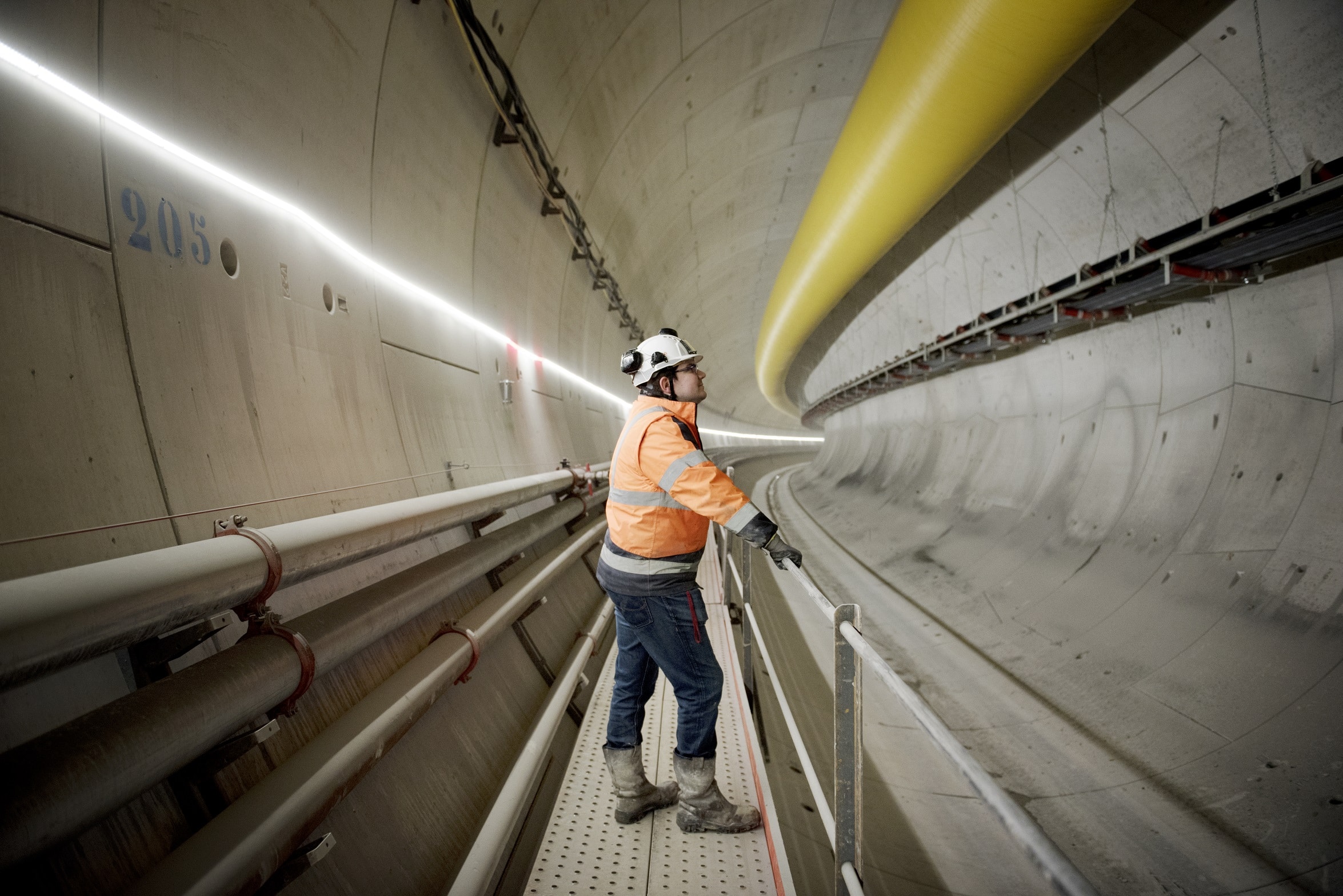
In addition, SYSTRA, in collaboration with COWI, has contributed to the Civil Works for the Cityringen and the Sydhavn branch line, with key deliverables provided by SYSTRA France.
We have carried out a condition assessment and identified renewal needs for the entire existing metro system (M1–M4). Historically, we have been involved since the earliest phases of the metro’s development, and today we focus in particular on the complex systems deliveries and client advisory services that help bring new lines safely from requirements to opening.

Efficient mobility for the Copenhagen of the future
SYSTRA and Rambøll, with Gottlieb Paludan Architects as subconsultant, have been appointed as advisers for the transport system for the new M5 line, where we are assisting Metroselskabet in preparing the requirements specifications for the entire transport system.
M5 will help relieve capacity constraints on the connection to Amager while also ensuring an efficient transport system for new urban development areas on Refshaleøen and Lynetteholmen.
Green advisory services for M4 Nordhavn
SYSTRA advised Metroselskabet on a technical feasibility report for both the Civil Works elements, including stations and viaducts, and the transport system for two possible alignments in Outer Nordhavn. The purpose was to support urban life while helping to meet Metroselskabet’s ambitious climate and environmental targets.
As a minimum, Metroselskabet sought a 30% reduction in CO2 emissions during the feasibility phase, and preferably more, compared with a well-defined baseline scenario based on the existing metro line to Orientkaj Station. SYSTRA succeeded in meeting this objective by incorporating the following three measures into the design:
- Reduced use of concrete in the structures.
- Use of timber in bridge structures and in station structures and cladding.
- Use of embankments instead of bridges and viaducts.
The M4 extension will include two additional stations in Nordhavn, located at Levantkaj and Nordhavn C. Extending the metro line from Orientkaj to Nordhavn C will provide a fast connection between Outer Nordhavn and the rest of the Copenhagen metro network.