Australia
  Brazil
  Canada
  Chile
Chile  China
China  Columbia
  Denmark
  Egypt
Egypt  France
  India
India  Indonesia
  Ireland
  Malaysia
  New Zealand
  Norway
  Panama
  Peru
Peru  Poland
  Portugal
  Saudi Arabia
  Singapore
  South Korea
  Spain
Spain  Sweden
  Taiwan
  Thailand
  Türkiye
  United Kingdom
  United States
  Vietnam



At Systra Italy, innovation is at the core of how we approach complex underground projects. One of the tools we developed to support smarter tunnelling operations is ReAcTIVE – Real-time Acquisition of Tunnel Information and Visualization Engine.
What is REactive?
ReAcTIVE is a digital platform designed to collect, process, and visualize Tunnel Boring Machine (TBM) data in real time. By transforming raw operational data into clear dashboards and reports, the platform helps engineers and project teams better understand what is happening on site and make faster, more informed decisions.
It is built to acquire TBM sensor data and convert it into meaningful information through customized dashboards and automated reporting tools.
The platform allows users to monitor excavation parameters in real time and quickly identify critical conditions through alerts and notifications.med decisions.

Key capabilities include:
- Real-time visualization of TBM operational data through interactive dashboards
- Automated report generation based on the visualized data
- Custom alert systems that notify users when parameters exceed defined thresholds
- Remote accessibility, allowing project teams to monitor operations from any device
Technically, ReAcTIVE is built using a modern digital architecture. Data is uploaded through an Uploader system, either automatically or manually. The data is then stored in a central Timescale database, where all TBM sensor information is organized and processed. Visualization is powered by Grafana, which provides dynamic dashboards and graphs for real-time analysis.

Where did the idea come from?
Systra Italy frequently works on Design & Build contracts, where close coordination between design teams and construction operations is essential.
In these projects, having clear and reliable information from the construction site is critical. ReAcTIVE was developed to give contractors, engineers, and designers a precise and continuous understanding of what is happening during excavation.
Through real-time monitoring and automated alerts, the platform supports rapid decision-making and effective risk mitigation, ensuring potential issues can be addressed before they escalate.
Because the system is accessible on mobile phones, tablets, and computers, project stakeholders can access the latest data wherever they are.
Another important advantage is the centralized data structure, which allows engineers to build and continuously improve artificial intelligence models capable of anticipating risks and supporting predictive analysis.

Applications and current use
ReAcTIVE is already being used in real projects.
For example, the platform supports construction management activities for the Catania Metro project in Italy, where it helps monitor excavation performance and operational parameters.
It has also been applied to the Łódź railway underpass project in Poland, supporting tunnelling operations with real-time data monitoring.
Beyond active construction sites, ReAcTIVE has also proven valuable for back-analysis of completed tunnels, both in dense urban environments and in deep rock conditions. These analyses help engineers better understand excavation behavior and improve future tunnel designs.
Future developments
The long-term vision for ReAcTIVE goes beyond TBM monitoring alone.
One of the next development steps is integrating TBM data with other sources of construction site information, such as surface settlement monitoring systems. Combining these datasets will provide a much more comprehensive view of excavation activities and ground response.
This integrated approach will enable engineers to better understand the interaction between tunnelling operations and the surrounding environment, further improving safety, risk management, and project performance.
Learn more: (link video LinkedIn)
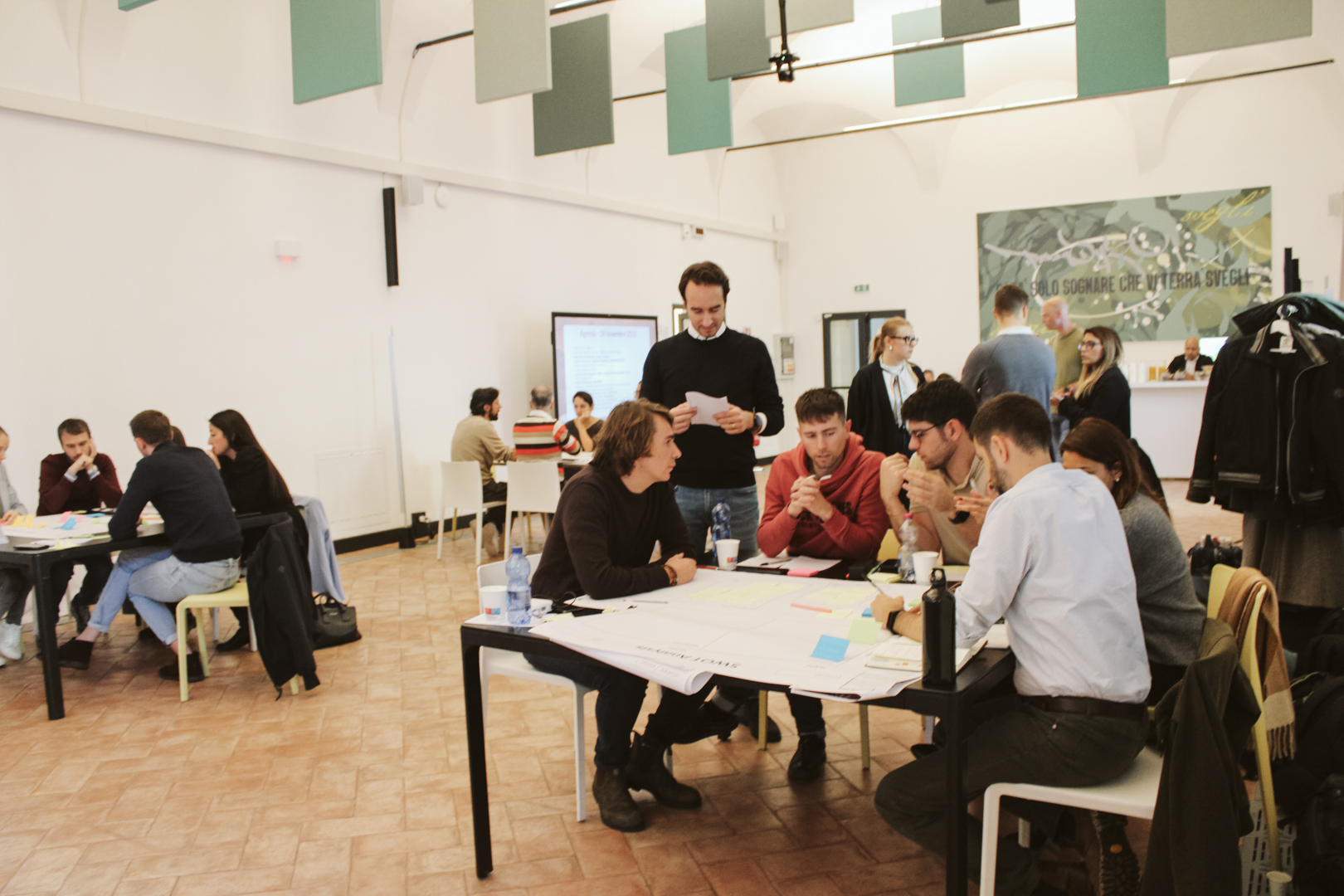
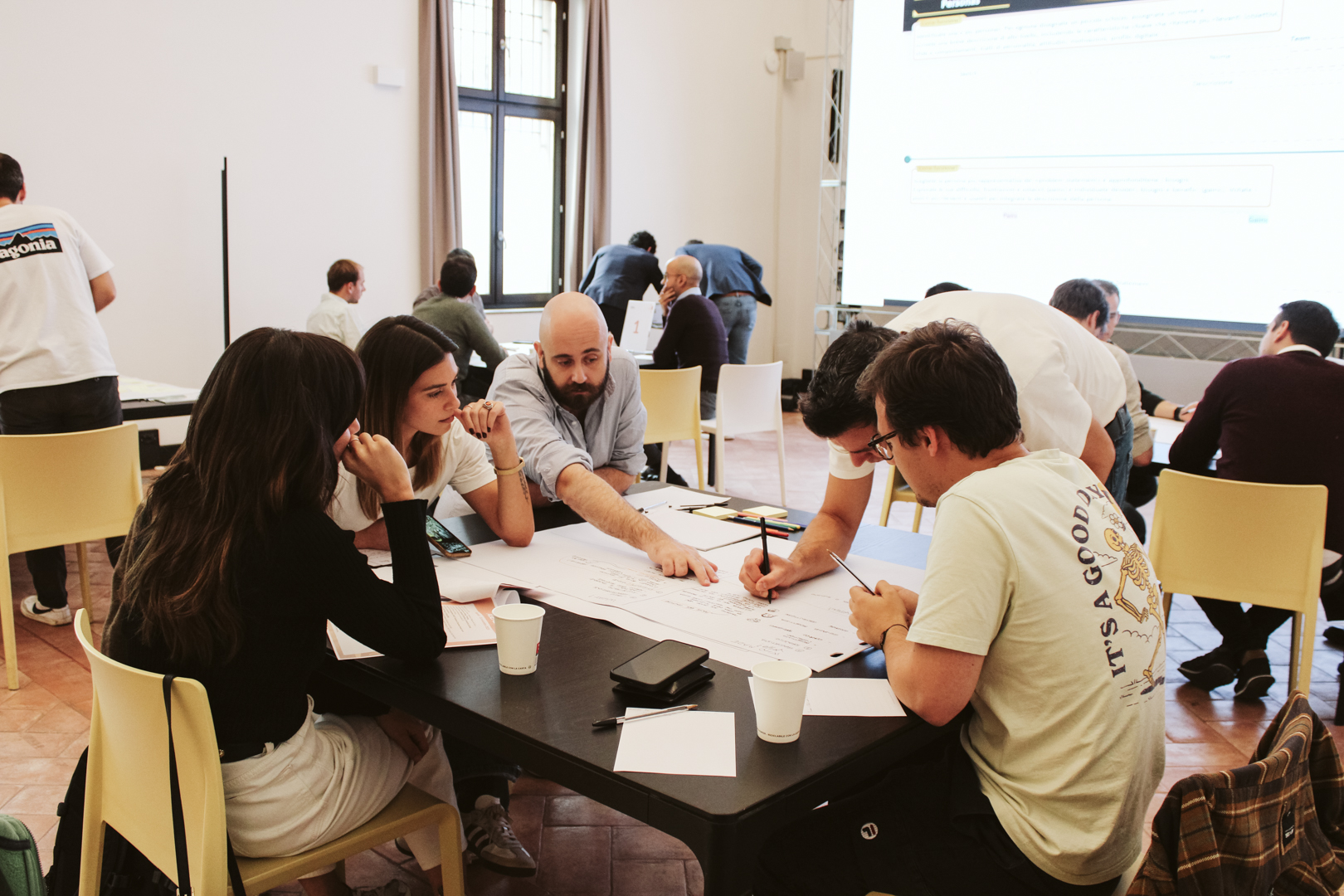
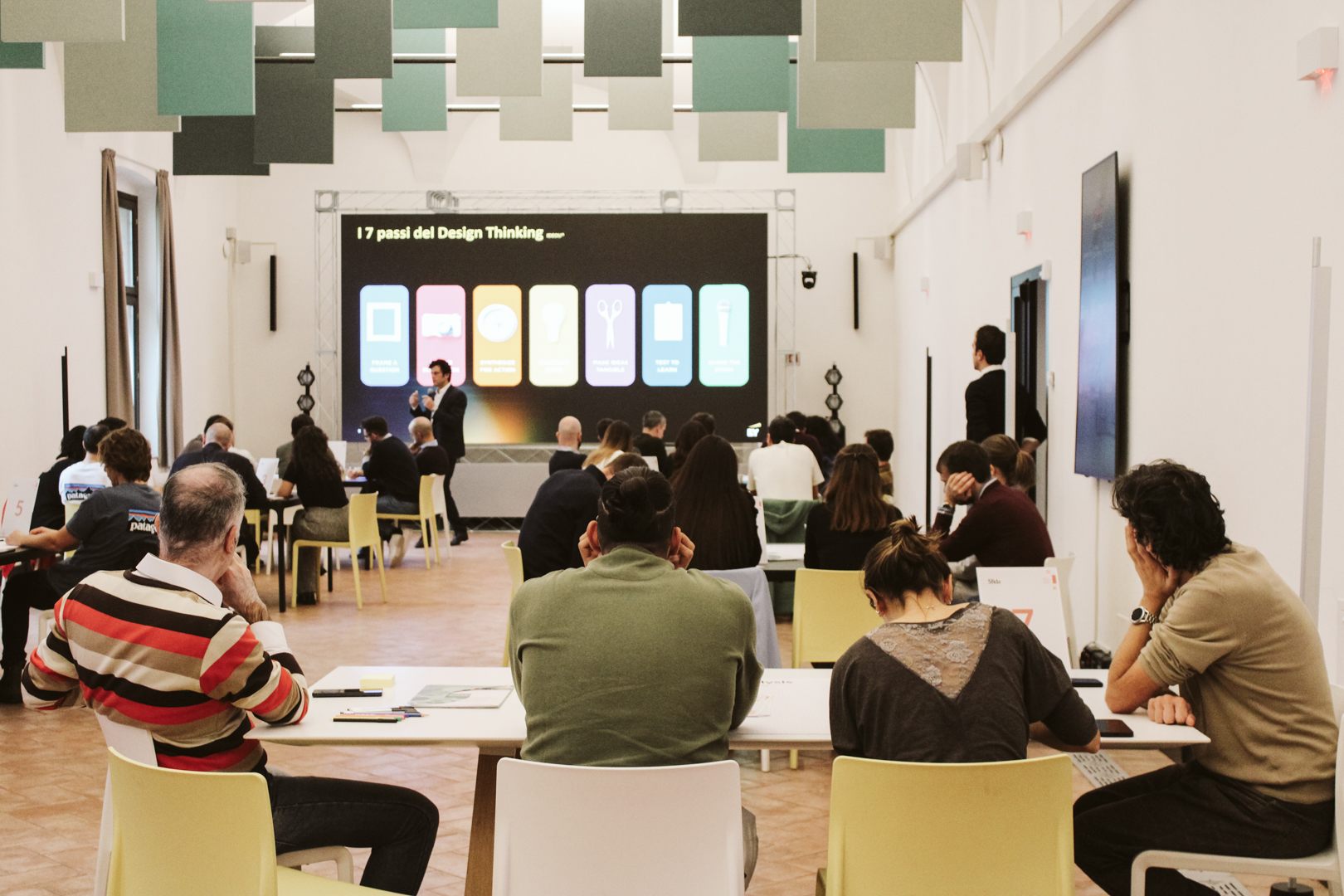
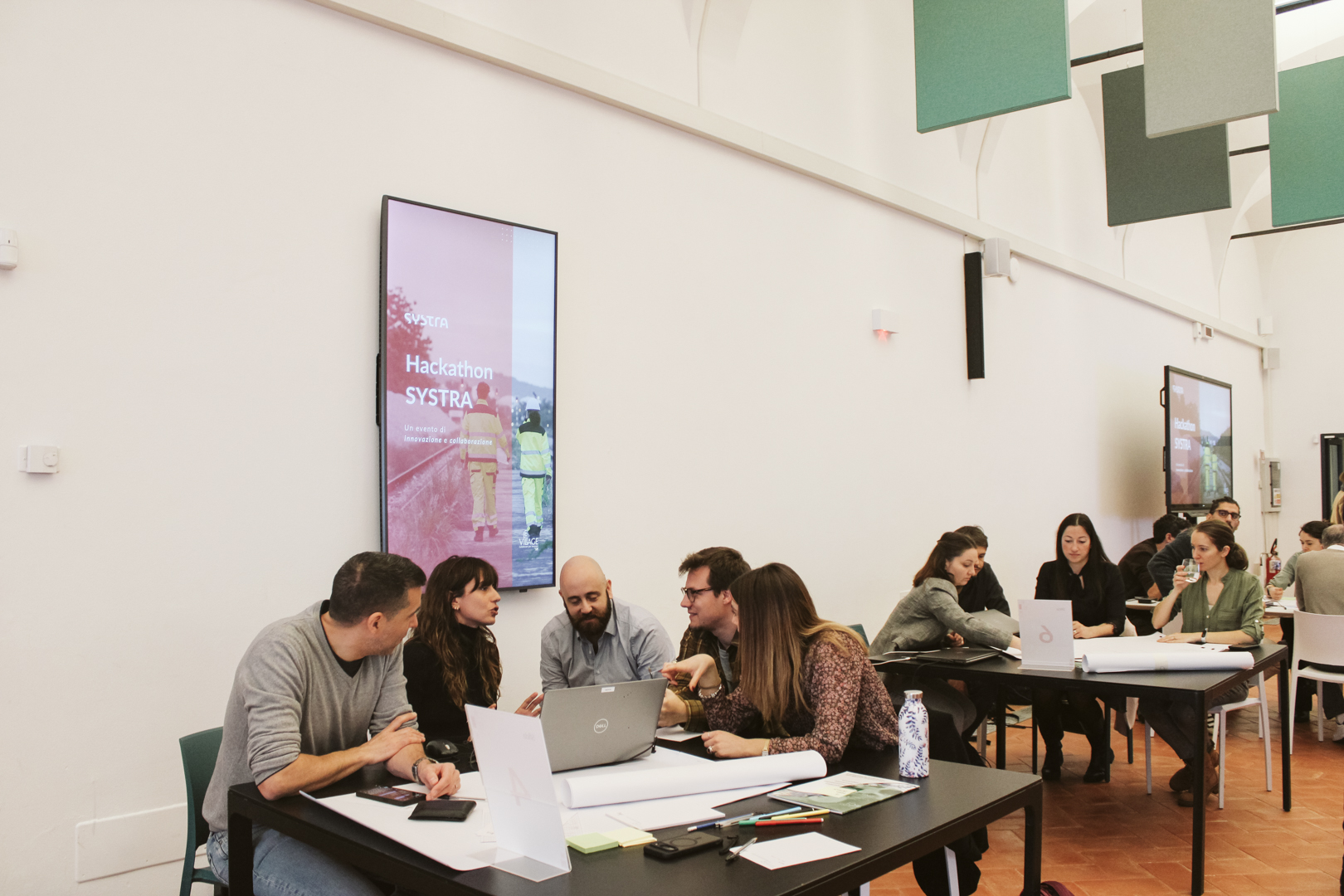
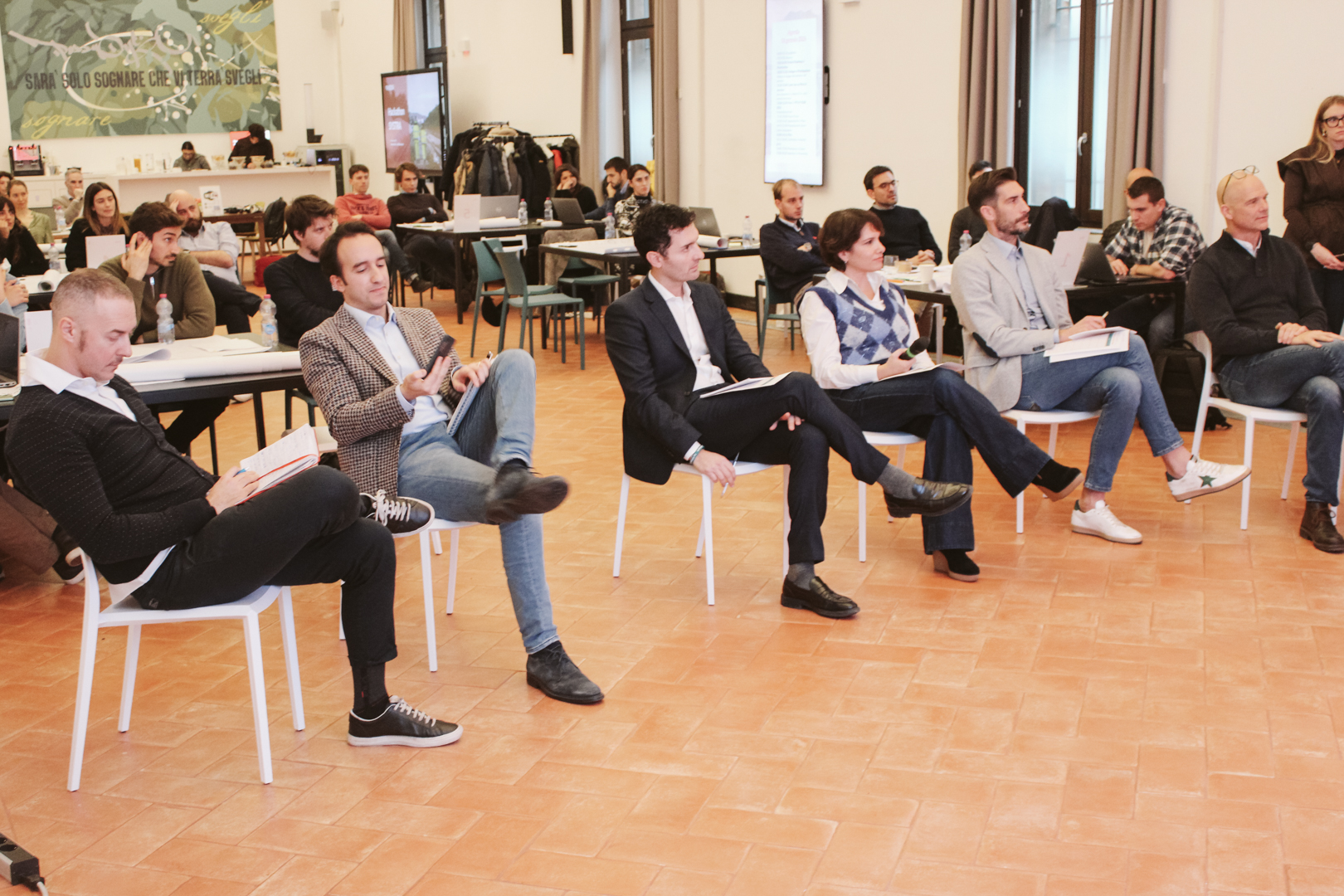
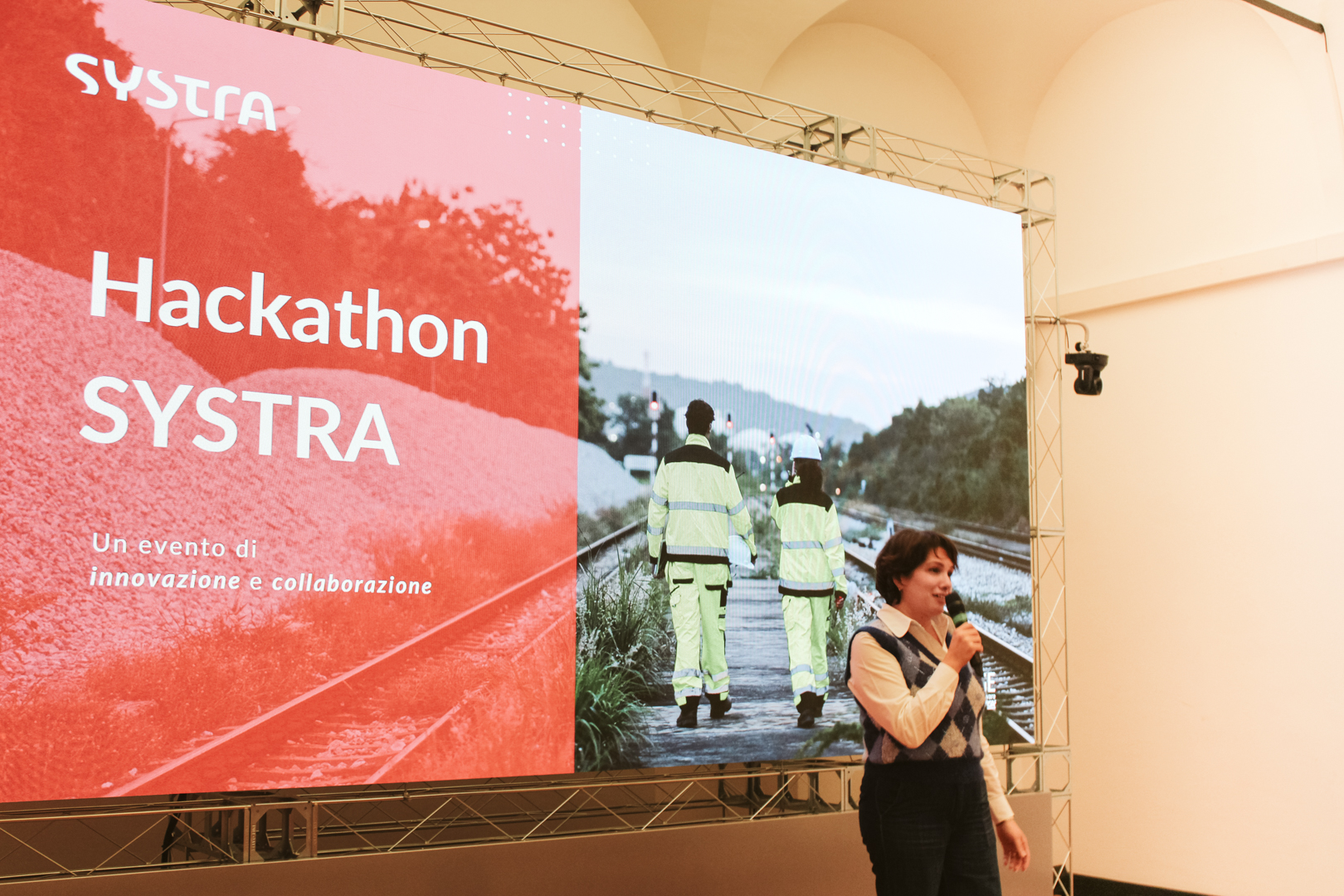
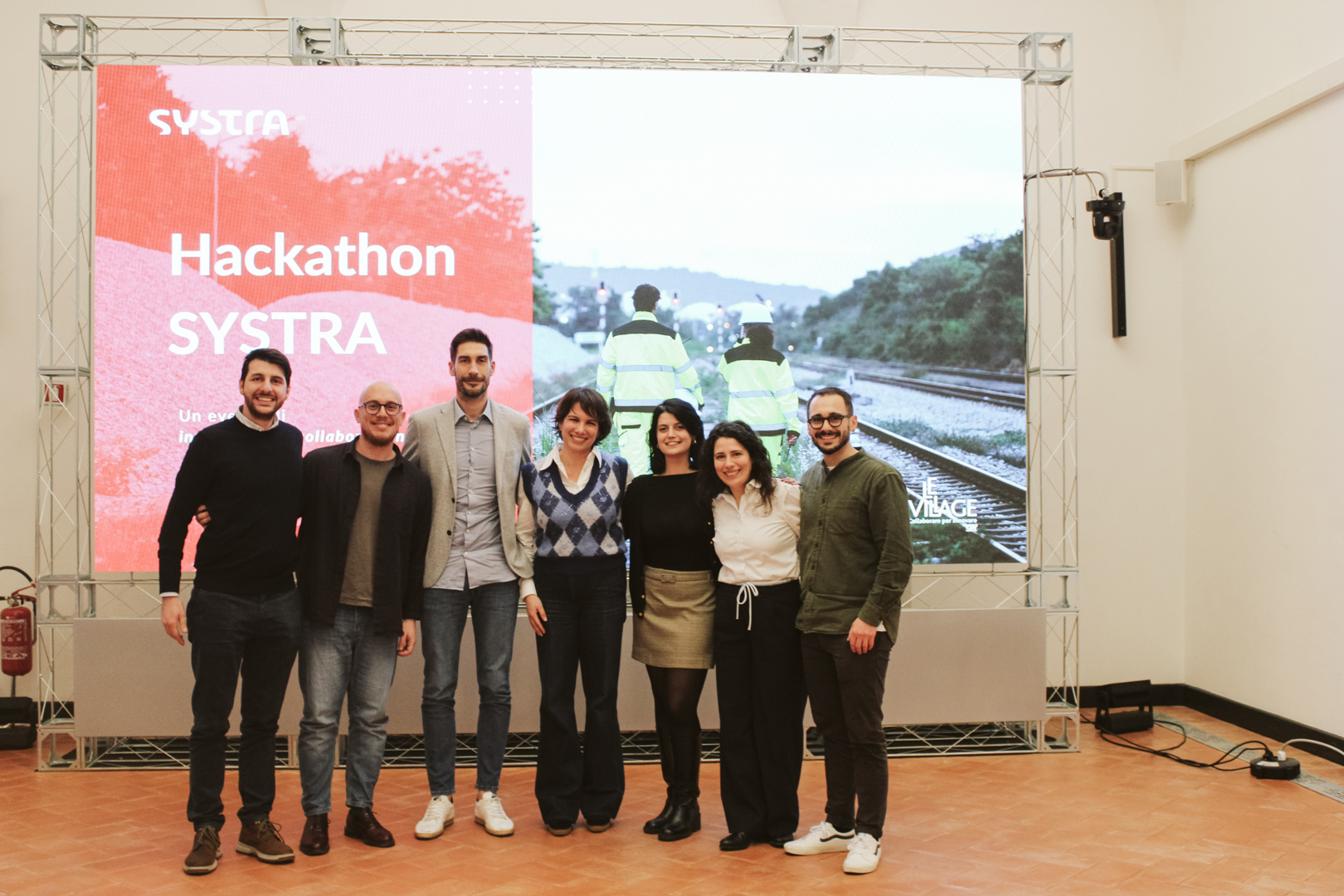
SYSTRA Hackathon: Two Days of concrete, strategic investment in training, innovation, and collective growth.Guided by the Le Village by CA team, we took the lead in an ideas marathon, collaborating in multidisciplinary teams on themes across Digital Engineering & Innovation.
We had the chance to join targeted training sessions, tackle real-world, tailor-made challenges aligned with our context, and develop creative solutions, bringing our skills to life with the shared goal of continuous improvement.


At SYSTRA Italy, we believe that innovation is best driven by collaboration and diverse perspectives. Our recent Hackathon, held at Le Village by CA Milano, was designed to embody these principles through an energizing team building experience for our colleagues.
An Engaging Journey from Ideas to Impact
The Hackathon brought together our BIM, R&D and Infrastructure department to address seven key challenges, including advanced topics such as AI, knowledge management, infrastructure design, coordination, and project management. Participants spent two intensive days moving through hands-on workshops and fast-paced team sessions:
- Training in Design Thinking laid the foundation for creative problem solving and effective team brainstorming.
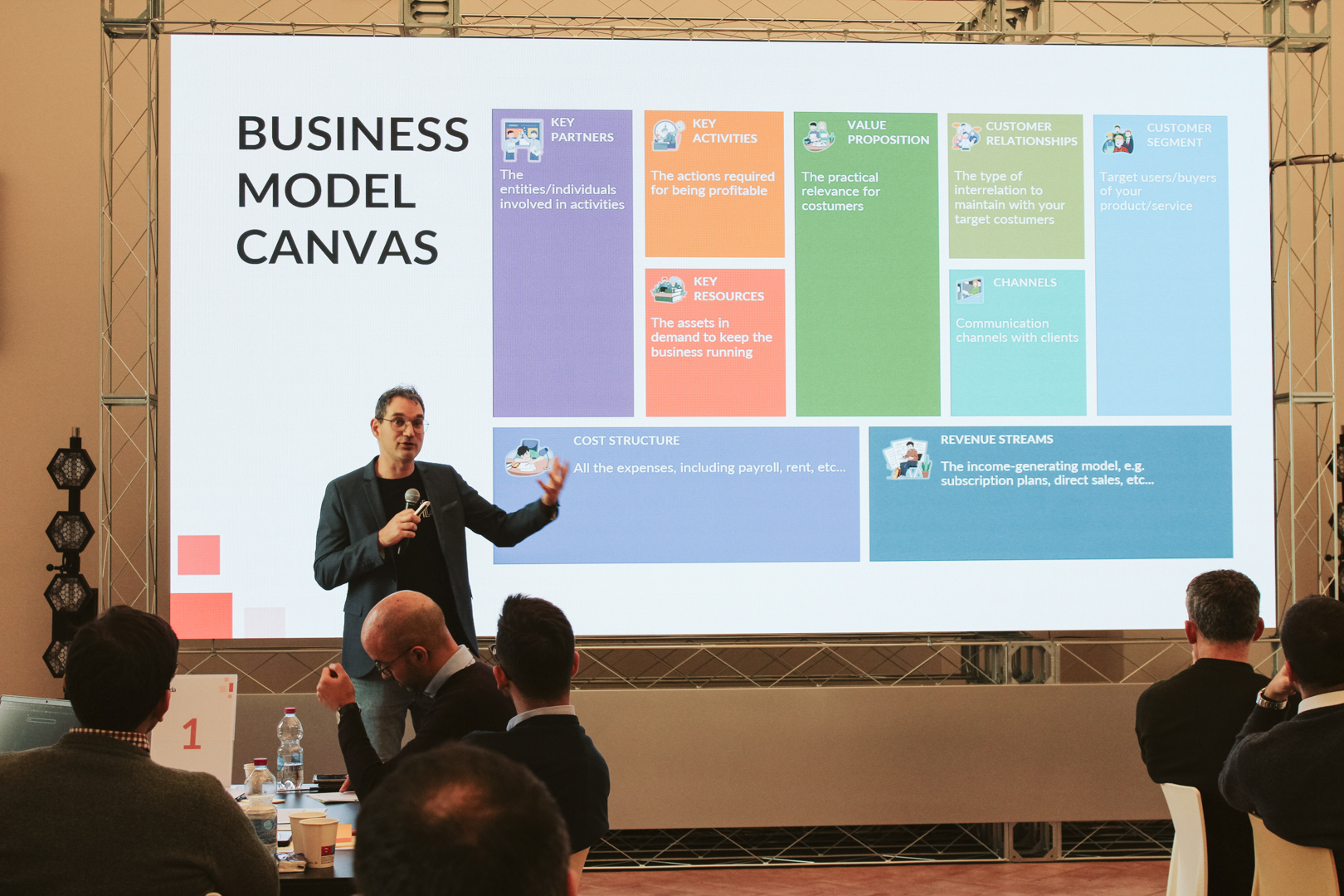
- Teams then learned the principles of the Business Model Canvas, focusing on user and market research, SWOT analysis, and developing compelling value propositions for their solutions.
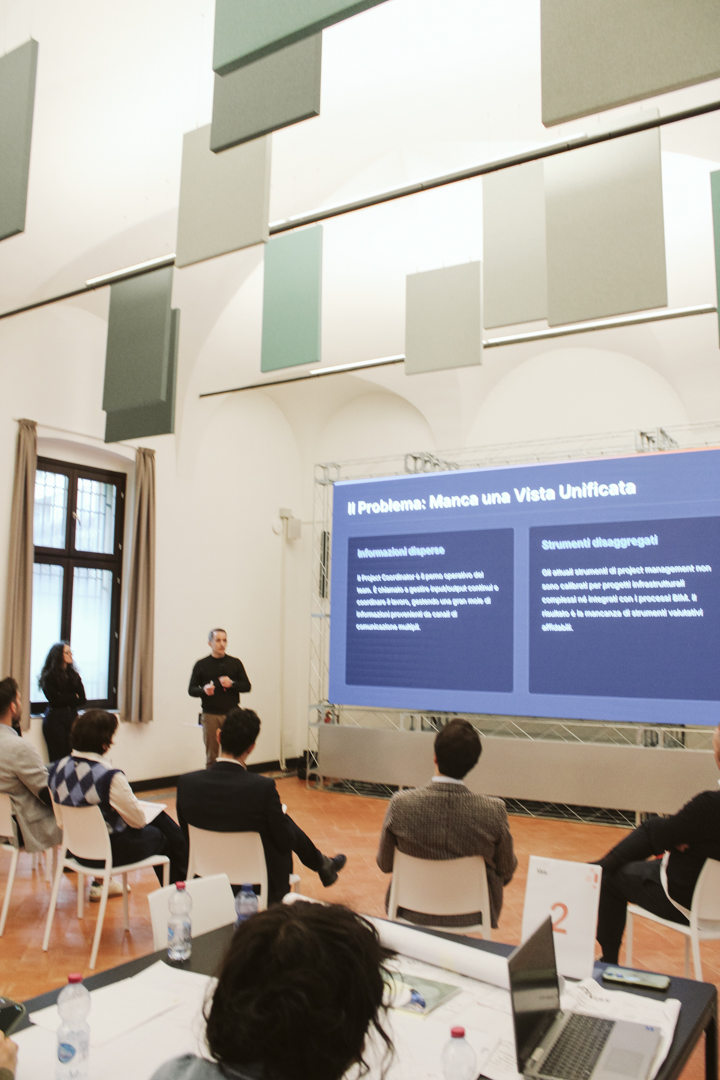
The second day focused on strategic planning, with sessions on building Product Roadmaps and setting priorities using Lean and Agile methods. Teams also received practical advice on how to pitch their ideas effectively.

Collaboration That Makes a Difference
Throughout the Hackathon journey, teams were challenged not only to innovate but also to validate and iterate their ideas, collecting feedback at key checkpoints.
The final pitch session gave each team a chance to showcase their prototypes to a distinguished jury, who evaluated proposals based on innovation, feasibility, organizational impact, and presentation effectiveness.
The event concluded with the announcement of the winning team and a closing networking event, celebrating everyone’s achievements.

A Culture of Innovation and Learning
Our Hackathon has further strengthened the knowledge of innovation processes and teams collaboration across SYSTRA Italy, empowering colleagues to experiment, learn, and grow together while working towards shaping the future of mobility.
We extend our sincere thanks to all participants, trainers, and organizers who made this event a resounding success. The energy, curiosity, and collaboration we saw will keep driving us forward. On to the next challenge!
SYSTRA and Bridges to Prosperity Complete Kabira Bridge in Rwanda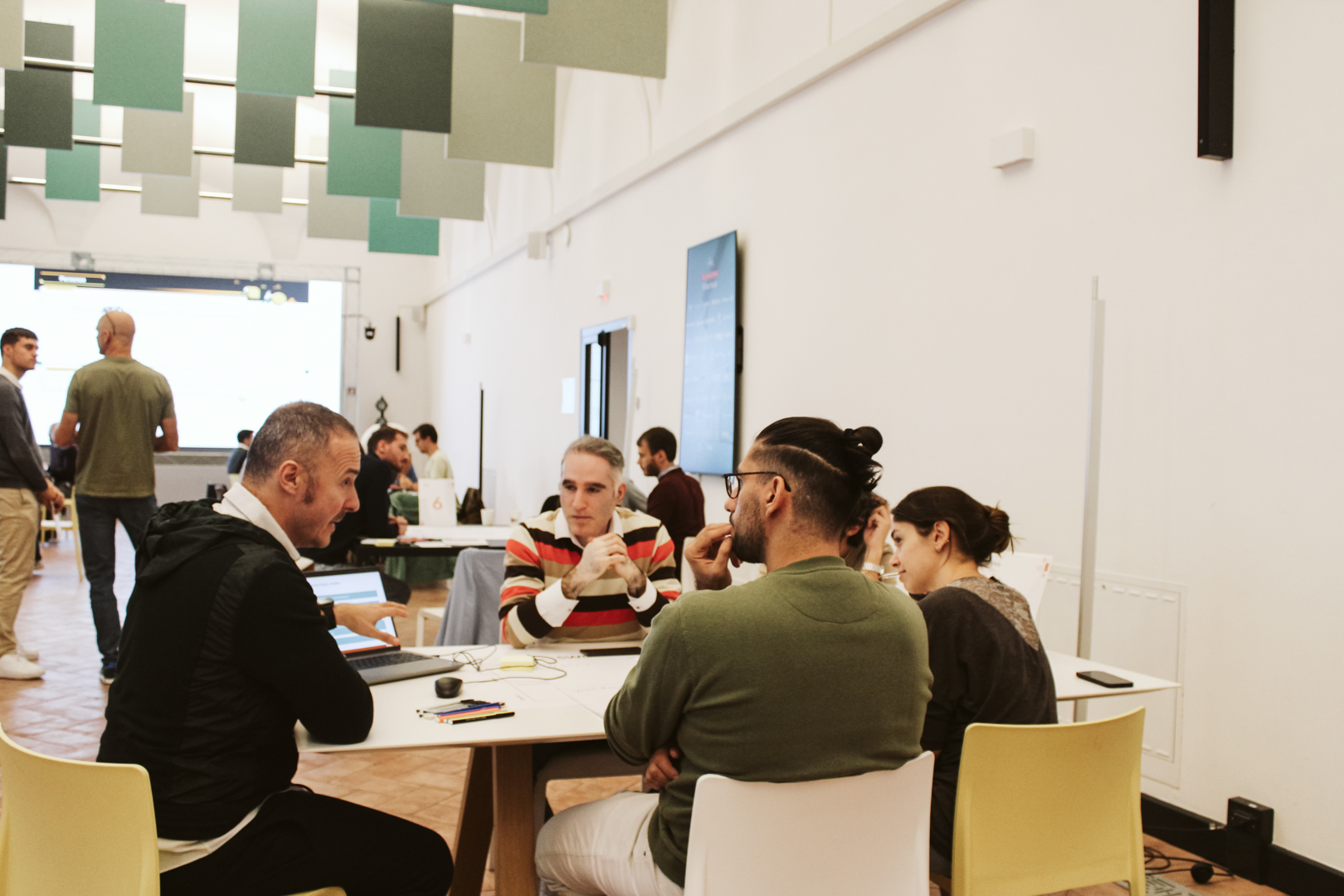
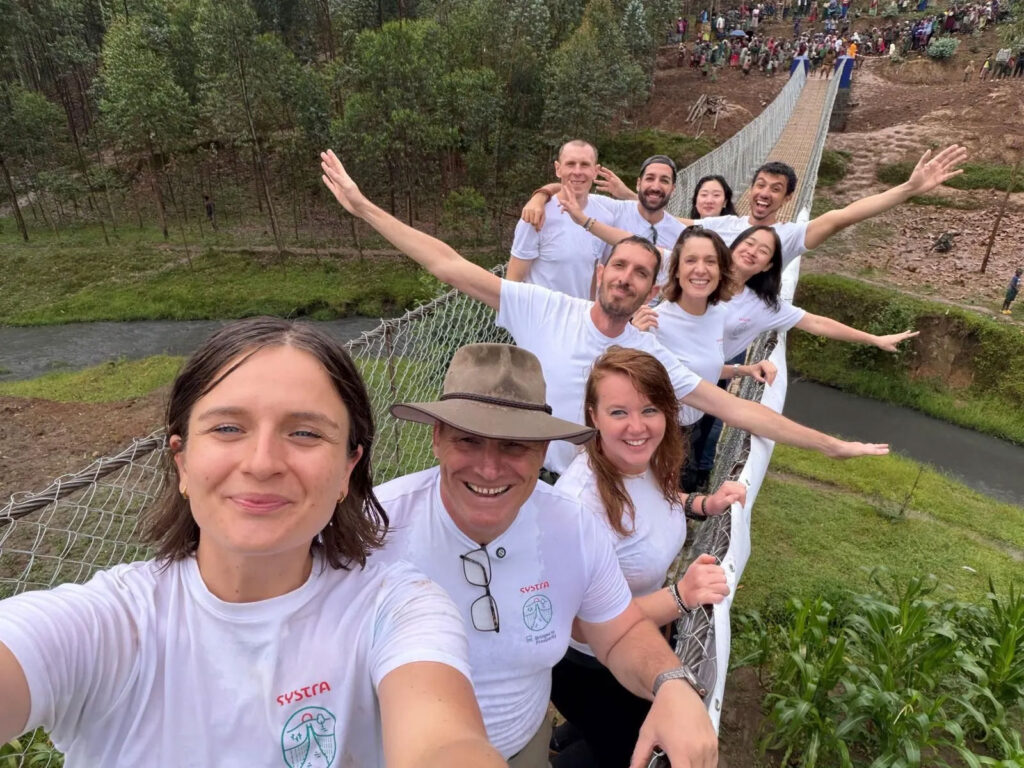
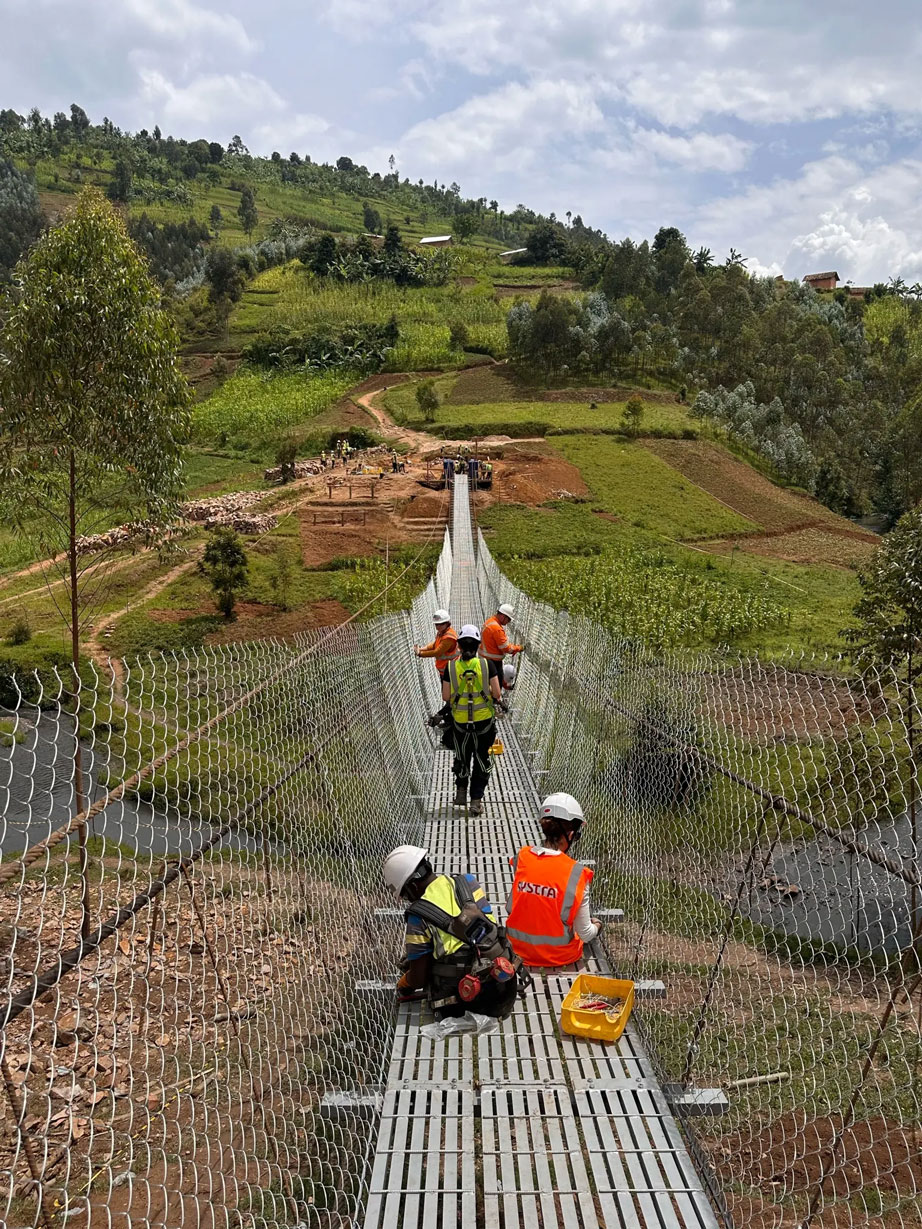
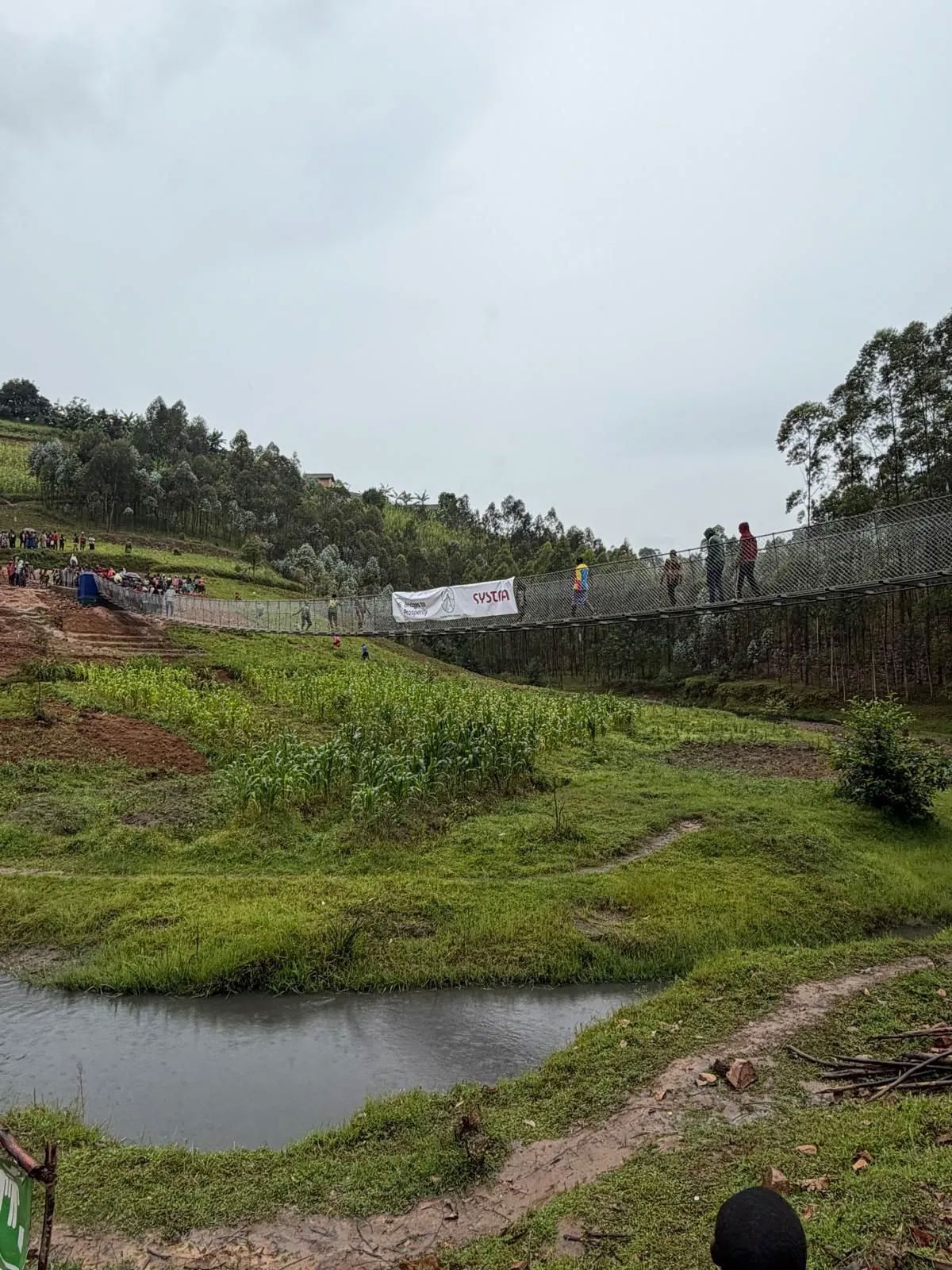
The construction of the Kabira bridge, the fourth bridge built by SYSTRA and Bridges to Prosperity in Rwanda, was completed on 12 December 2025.
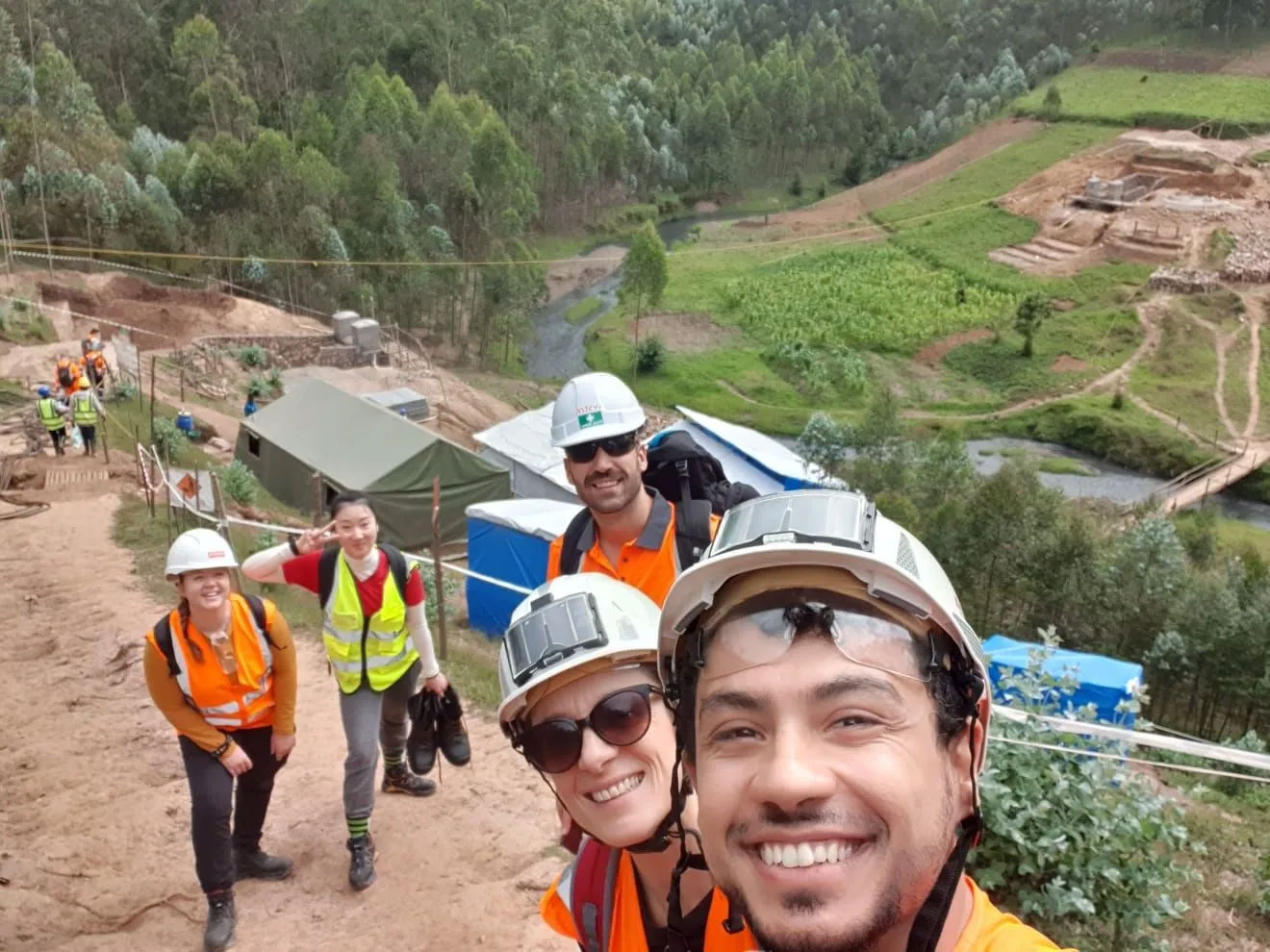
The Kabira footbridge was completed in a remote region of northern Rwanda, creating a safe and reliable connection between two hills and bringing neighboring villages closer together. The bridge now serves several thousand residents, improving access for farmers, families, and schoolchildren in an area where the nearest road is more than a 30-minute walk away.
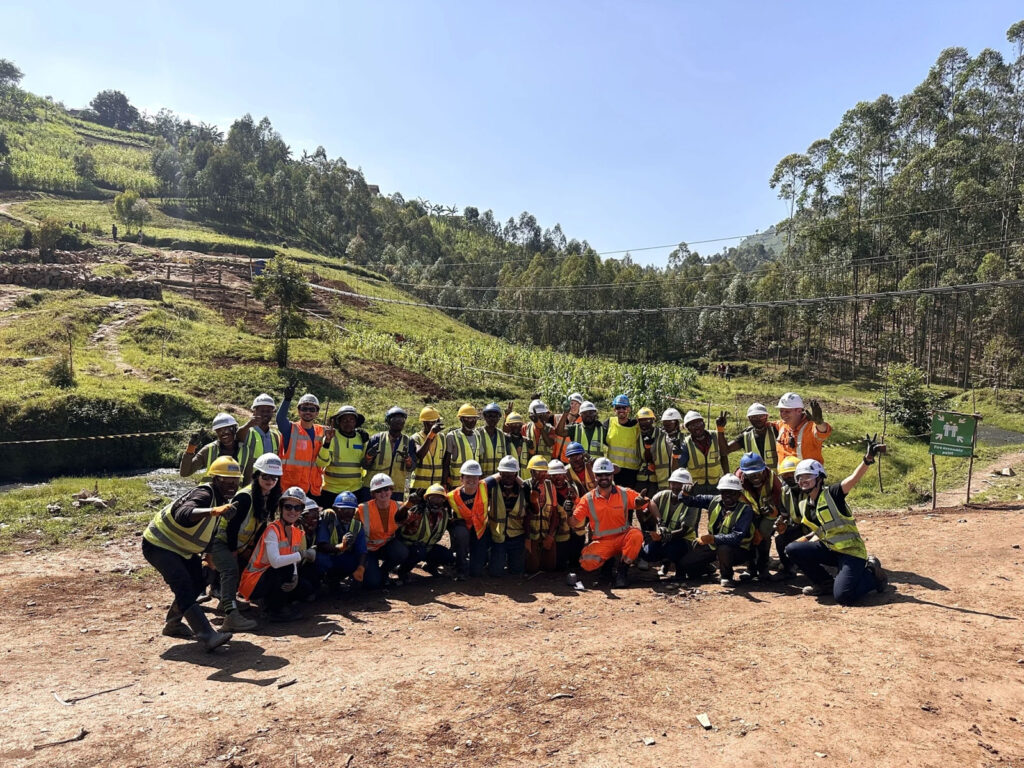
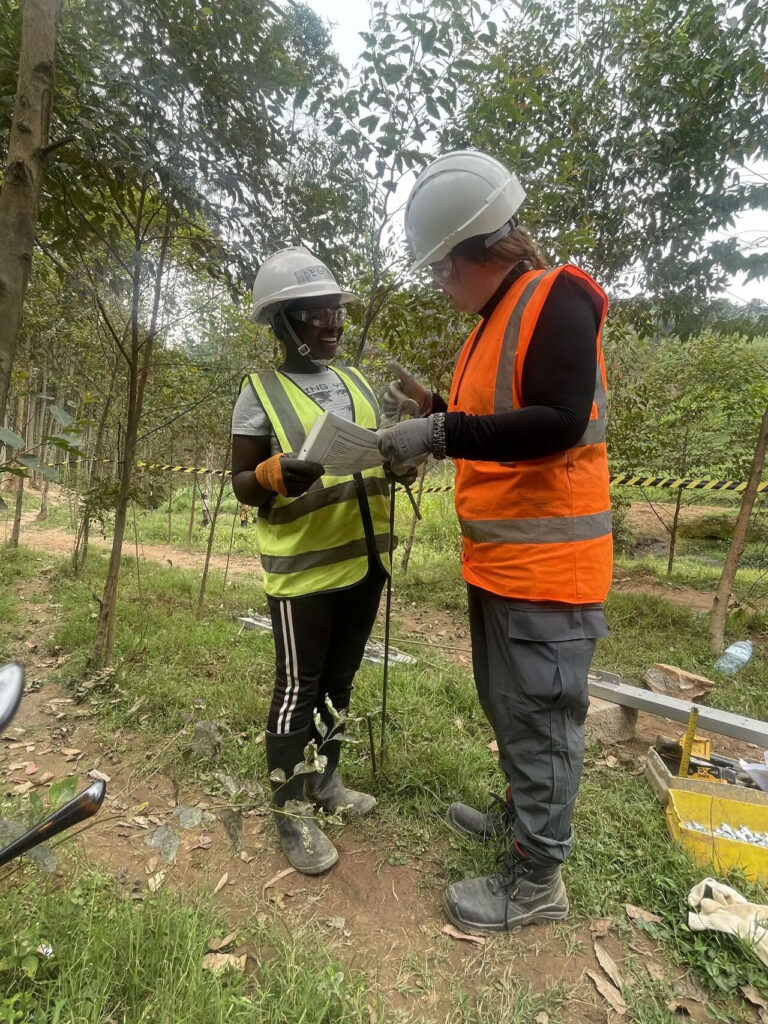
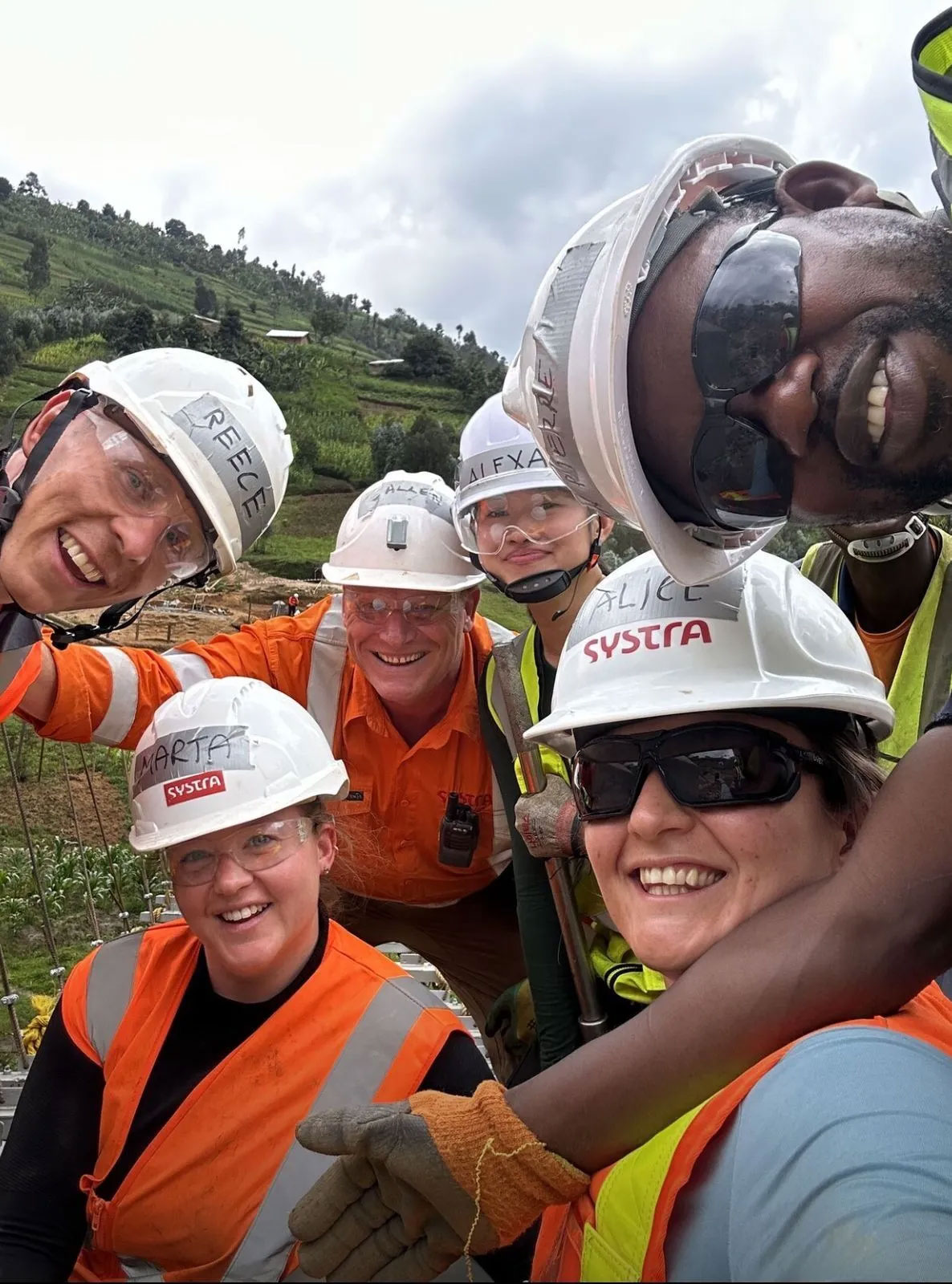
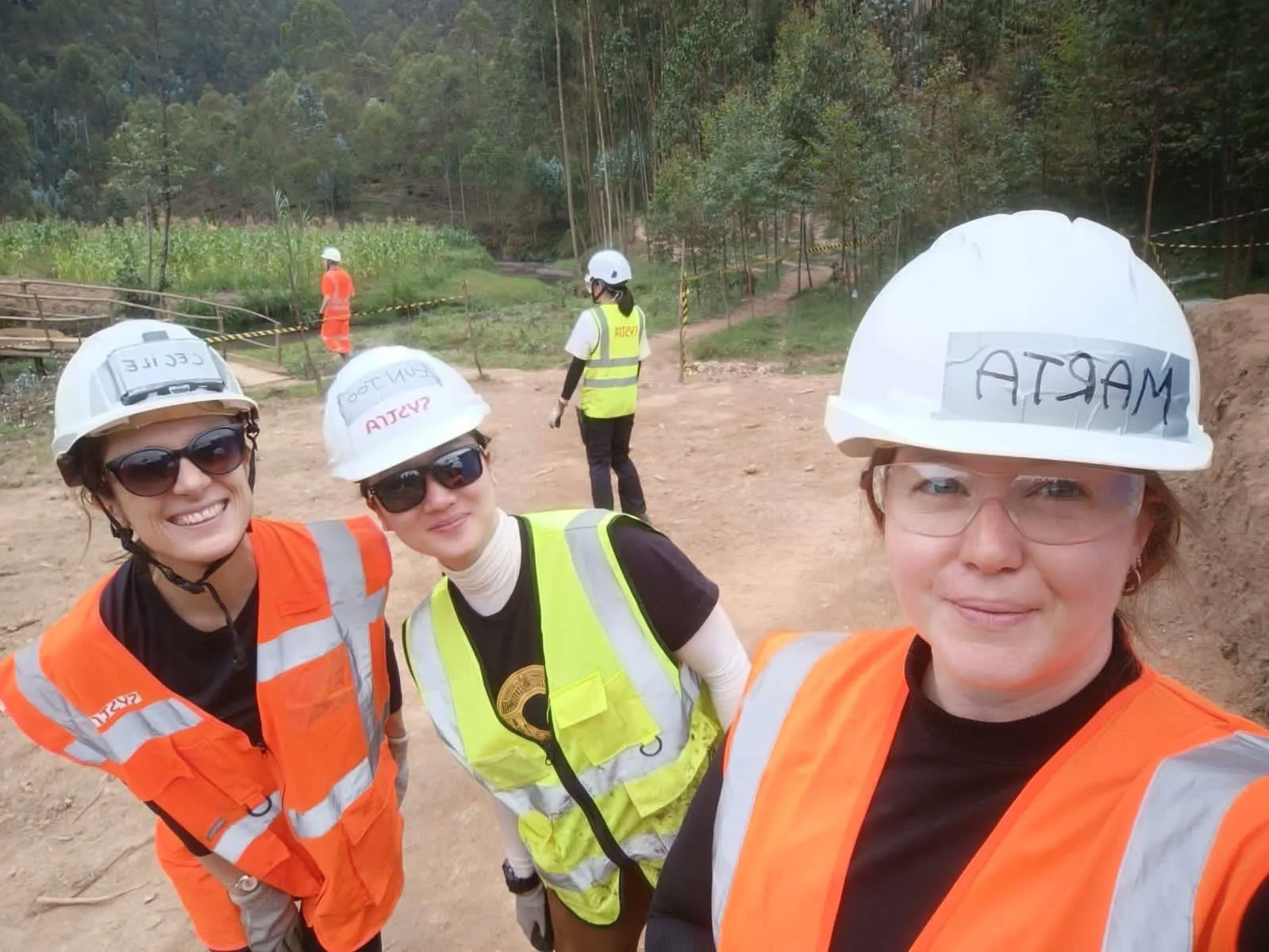
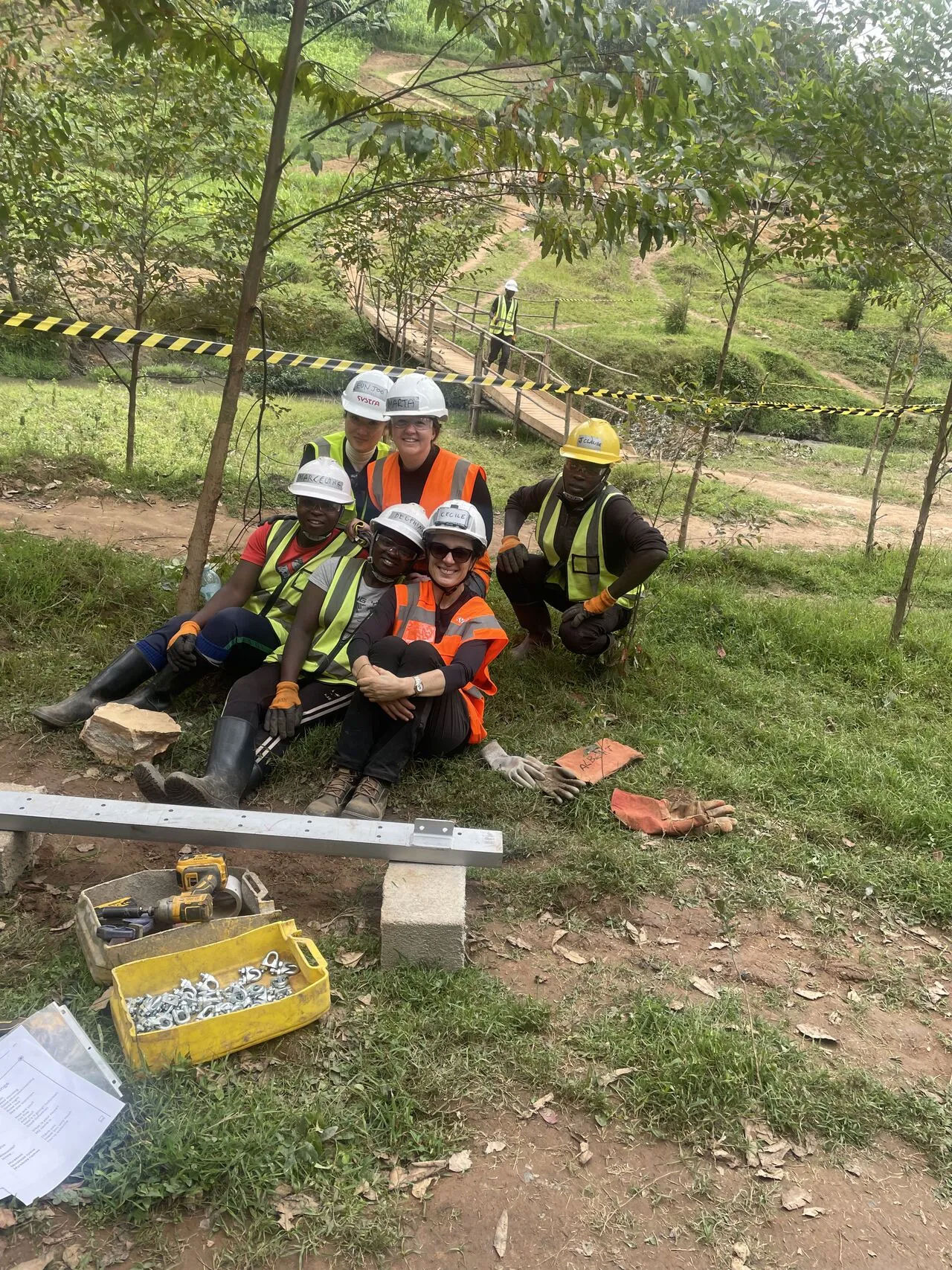
Among the international team who helped make this project possible was Marta Pezzi, from SYSTRA Italy, who joined colleagues from across Europe, Asia, the Middle East, and Oceania to work alongside local Rwandan teams recruited by Bridges to Prosperity.
With a background in engineering and architecture, Marta played a key role throughout the construction process. She supported less experienced team members, sharing her technical expertise and guiding them through each stage of the build — particularly during the assembly of the bridge deck. Her ability to combine precision, pedagogy, and teamwork contributed to the success of this collective engineering effort.
Beyond construction, the team also organised a personal fundraising initiative, enabling the donation of school supplies and sports equipment to 630 pupils at Kabira Burera Primary School, supporting education in the community for years to come.
The Kabira bridge is the fourth footbridge built in Rwanda through the partnership between SYSTRA and Bridges to Prosperity. Together, these projects demonstrate how engineering skills, international cooperation, and local engagement can create lasting social impact.
Projects like Kabira show that building infrastructure is also about building connections — between communities, professions, and cultures
An important moment in the history of SYSTRA Italy, as we shared new Governance and opened an exciting new chapter for our company. During our company-wide meetings in the Trento and Rome offices, we announced that – effective 1 January 2026 – Erica Calatozzo, currently Chief Operating Officer, will step into the role of Chief Executive Officer, and Arnaud Valranges, SVP Group Strategy & Growth, will become the new Chairman of SYSTRA Italy.


“I truly think that an individual can spark an idea, but only a team can bring it to life for the future. We have a very strong heritage and a very strong base to build our future. My goal is to further strengthen our position in the engineering and D&B sectors, by continuing to invest in our people, commercial activities, in technical excellence, and in innovation. The commercial part will be key in the coming years, not only in Italy but also abroad. I assure my complete and full commitment in this new role, and I thank you again for the trust you place in me. Now let’s move forward together with a lot of courage and passion.”
Erica Calatozzo
Their experience, vision, and commitment to excellence will guide our teams into the future with renewed energy and purpose. This leadership transition also marks the conclusion of an important journey. We extend our heartfelt thanks to the outgoing management team, Paolo Cucino and Paolo Mazzalai, for their dedication, their contributions, and the solid foundation they have built over the years. Their work has been essential in shaping who we are today, and we remain deeply grateful for their service and leadership.
“I’m proud now to pass the torch to Erica. Erica, you have earned this role for sure, and I trust you will lead SYSTRA Italy into a future of growth while preserving the values and the culture that we built together. But the most important gratitude I have for all of you, is that I see in your eyes every piece of the story and every step of the journey we have done together.”
Paolo Cucino

As we look ahead, we embrace a future focused on innovation, collaboration, and sustainable engineering. With Erica Calatozzo and Arnaud Valranges at the helm, SYSTRA Italy is ready to strengthen its role in the industry, continue delivering complex, high-impact projects, and invest in the talent and growth of our people.
We would also like to express our sincere thanks to Jean-Charles Vollery, CEO of SYSTRA Group, for his presence and support during this important event, an invaluable sign of unity, trust, and shared ambition across the Group. Here’s to new perspectives, new ambitions, and a shared commitment to excellence.


Innovation is at the heart of Systra Italy, and our latest breakthrough, ATAS (Advanced Tunnelling Assistance Systems), is set to redefine how we approach underground excavation.
What is ATAS?
ATAS is a platform that integrates real-time data analysis, machine learning, and advanced algorithms to optimize tunnelling operations. Much like ADAS (Advanced Driver Assistance Systems) in the automotive industry, ATAS monitors ongoing excavation, identifies risks, and assists in making fast, informed decisions.

HOW IT WORKS:
ATAS orchestrates a “symphony” of data, continuously interpreting information from TBM sensors to refine our understanding of the geological landscape. It employs multiple advanced methodologies:
Soil characterization
- Thrust analysis determines the friction coefficient between soil and shield.
- Torque analysis estimates the soil’s equivalent friction angle.
- Belt scale measurements detect soil density variations.
- Pressure discharge analysis evaluates soil permeability.
- TBM data clustering automatically classifies excavation areas.

Settlement predictions
- Analytical models provide real-time estimations.
- FEM simulations compute settlements under different conditions.
- Machine learning (LSTM networks) predict settlements with progressive retraining.
- Final settlement forecasts continuously refine calculations using monitoring data.


By analysing these parameters, ATAS transforms the tunnelling process into an intelligent, adaptive cycle. For every excavated ring, TBM parameters are analysed, soil characterization is performed, and settlements are calculated. If settlement thresholds are exceeded, ATAS suggests new excavation parameters for the next ring, ensuring a proactive approach to risk management.
Real-World Impact: Proven Success
ATAS has already proven its value in real-world projects. One of its first successful applications was the railway underpass excavation project, where complex and variable geology posed a significant challenge. ATAS provided critical insights that enabled the tunnelling team to navigate uncertainties, optimize operations, and ensure excavation safety and efficiency.
Following this success, ATAS is now being implemented in other railway and transportation projects worldwide. Its ability to adapt to changing geology, sand, clay, water tables, and historical building interactions makes it a revolutionary tool in underground engineering.
Award-Winning Innovation
We are honoured that ATAS was awarded Innovation of the Year at the ITA Awards 2024. This recognition highlights Systra Italy’s commitment to pushing the boundaries of tunnelling technology. ATAS is not just about optimizing excavation—it is about transforming how we build tunnels by making design a continuously evolving, AI-driven process.

Looking Ahead: The Future of Tunneling
By leveraging artificial intelligence, real-time data analysis, and advanced engineering techniques, ATAS is setting a new standard for the future of underground construction. It enables tunnelling crews to make faster, smarter, and safer decisions, reducing risks and maximizing sustainability.
At Systra Italy, we believe that engineering innovation and AI-driven adaptability will shape the tunnels of tomorrow. With ATAS, the industry is moving toward a future where tunnelling is not just planned but intelligently guided every step of the way.
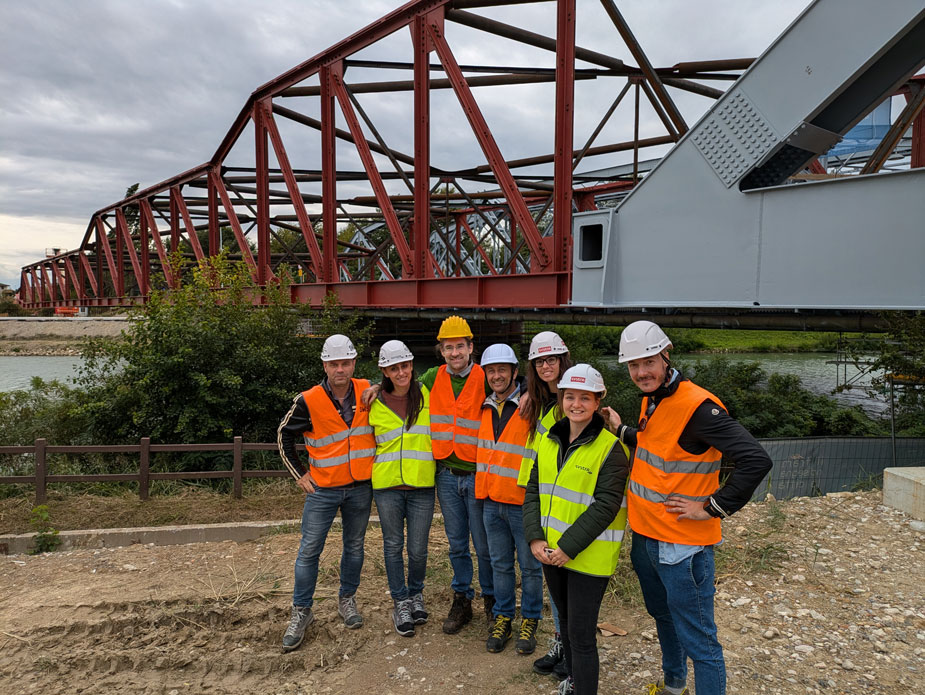
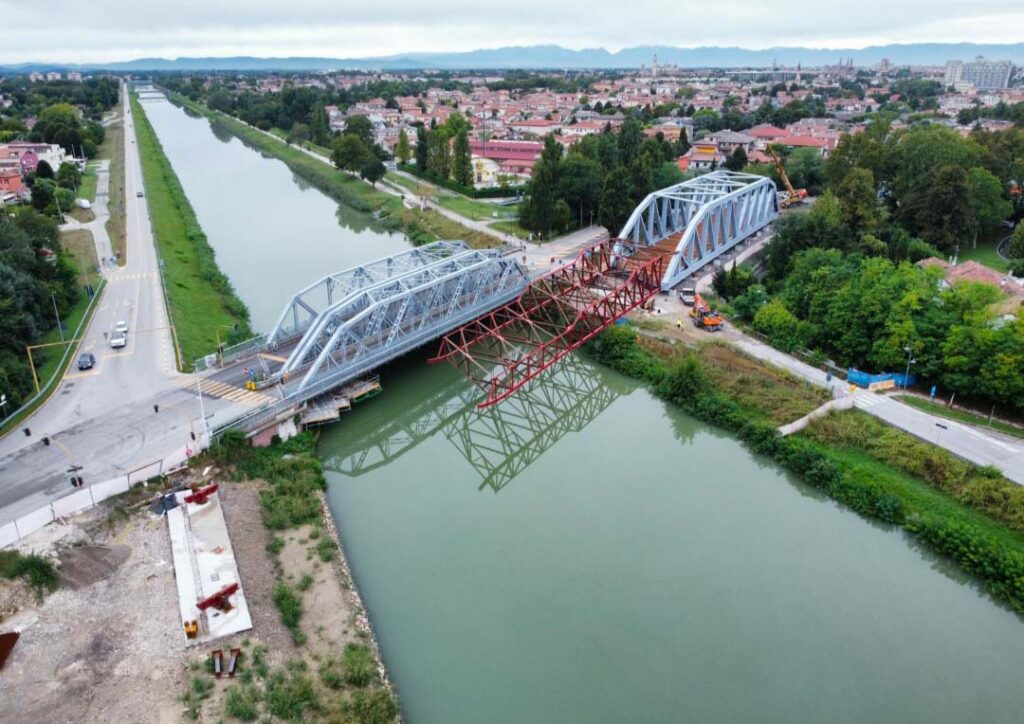
Recently, colleagues from the Infrastructure Department at SYSTRA S.p.A. had the opportunity to participate in an insightful educational visit to the construction site of the SIR 3 urban tramway line in Padua, which links the RFI Station to the Voltabarozzo terminus. As part of a temporary consortium of companies involved in the project, SYSTRA is responsible for overseeing the supervision of works and managing safety coordination during the execution phase.
The visit highlighted the impressive push-launching of a steel bridge, a groundbreaking initiative in Italy to promote sustainable mobility.
The tramway line will feature a rubber-tired guided transport system, spanning approximately 5.5 km with 13 stops and 2 termini, along with a depot and interchange parking. This remarkable bridge measures 89.60 meters in span and stands 12.05 meters tall, with a deck width of 13.65 meters. The launch process required meticulous movements of just 3 cm per minute, utilizing hollow jacks and 36mm Dywidag bars, with precise positioning taking two weeks to achieve.
Designed to improve neighbourhood accessibility, the project includes trams running in both directions, a 3-meter cycle-pedestrian path, and a 2-meter pedestrian path, contributing to safer travel for cyclists and pedestrians alike.
Team Members:
Ivano Brugnara, Alessia Campedel, Davide Clauser, Roxana Mioara Lelutiu, Anna Peghini, Carlo Pellegrini, Marco Viale


On Tuesday 11th of July, Paolo Marchetti, Technical Director of SYSTRA Italy, will hold a speech entitled “Using light rail infrastructure as a catalyst to re-think placemaking in the urban environment for Bologna”.
The conference brings together professionals from across the public transport sector to share experience and best practice over two packed days of insightful and interactive presentations and panel debates from top-level speakers.
DATE & TIME
Tuesday, July 11 | 12:00 PM
📍 Hall B
Hilton Newcastle, Gateshead, UK
The road tunnel runs for almost 2 kilometres under the Świna river, a channel in northwest Poland that connects Szczecin Lagoon with the Baltic Sea. It creates a road link between the Polish city of Świnoujście, located on the island of Uznam divided between Germany and Poland, and the Polish mainland, previously linked only by ferry.
The tunnel was excavated with a 13.46m diameter slurry TBM over a length of approximately 1.5km, including two ramps built using the open trench and cut-and-cover method on Uznam Island and Wolin Island, as well as emergency niches built underwater using the ground freezing technique. It is one of the largest diameters TBM tunnels in Europe where SFRC only segmental lining has been used.
XXIX PIARC National ConferenceSalvatore Giua, after presenting the company’s expertise in the underground transport infrastructure sector, will present the activities of TC 4.4 which he chaired during the 2020-2023 cycle.
DATE & TIME
Thursday, 25 May | 2:30 – 4:30 PM
📍 Sala del Tempio di Vibia Sabina e Adriano
Piazza di Pietra, Rome, Italy
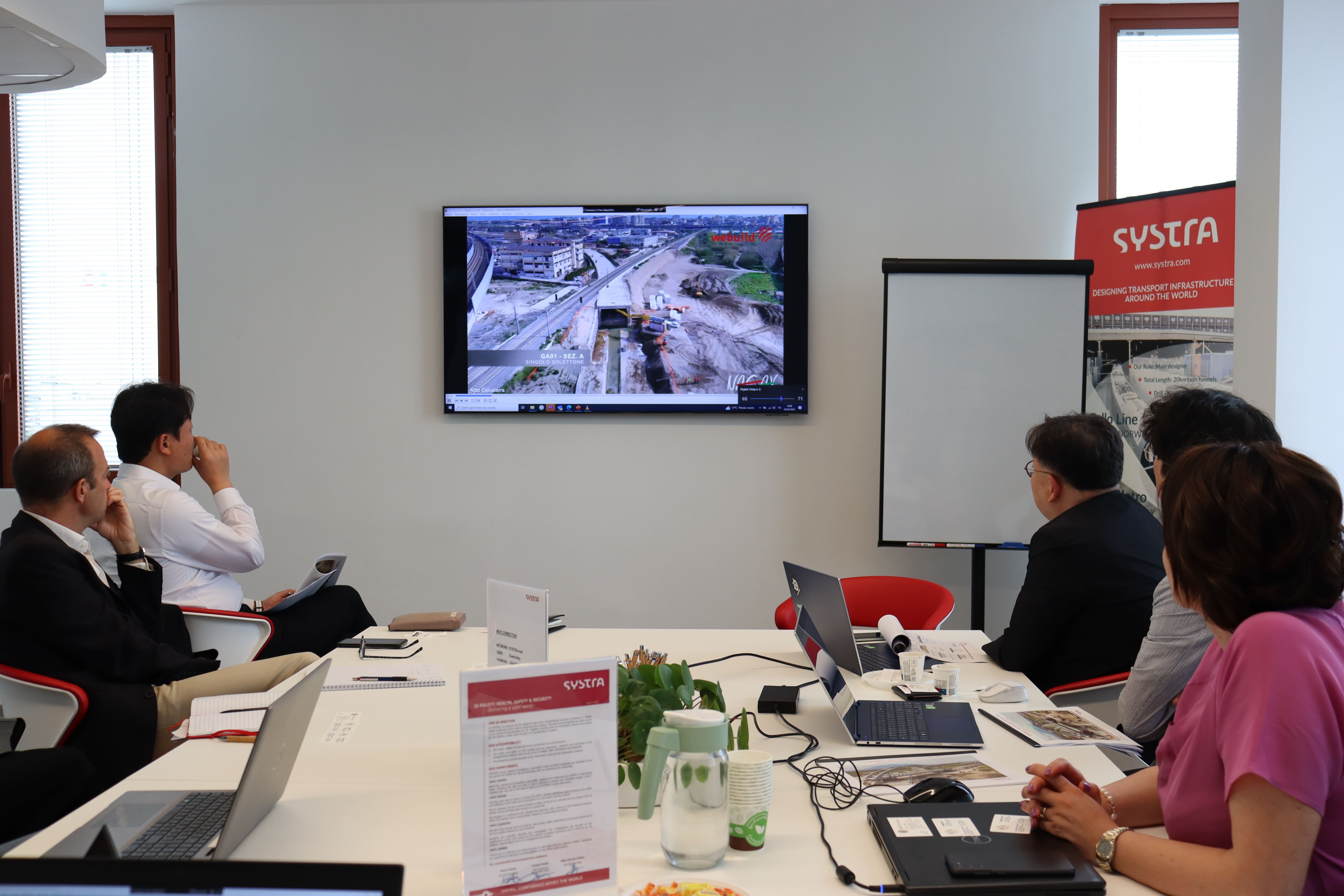
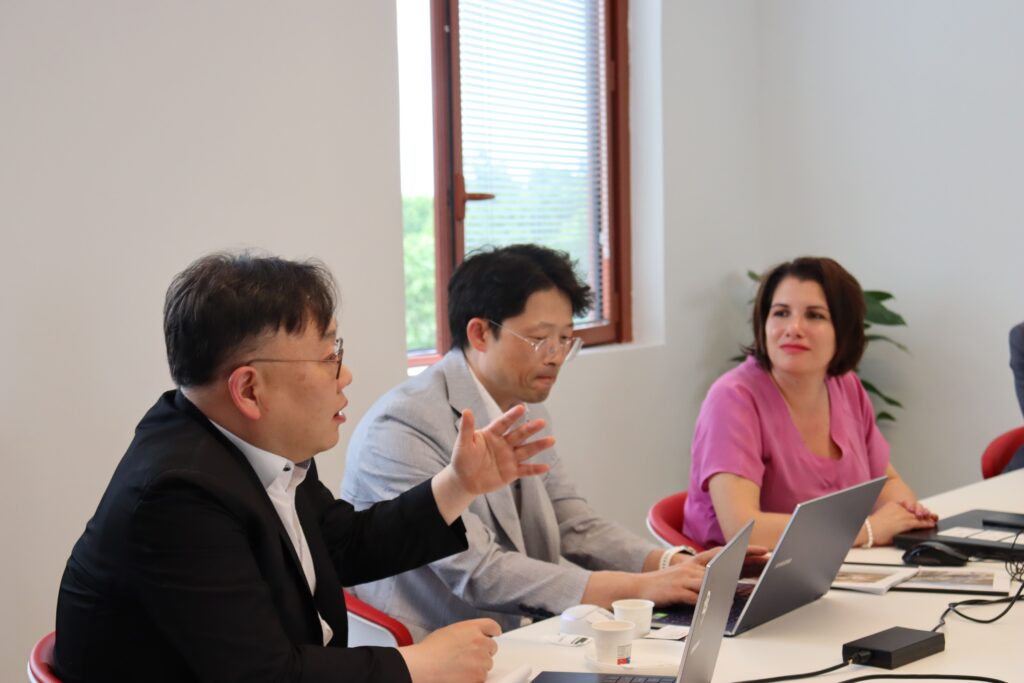
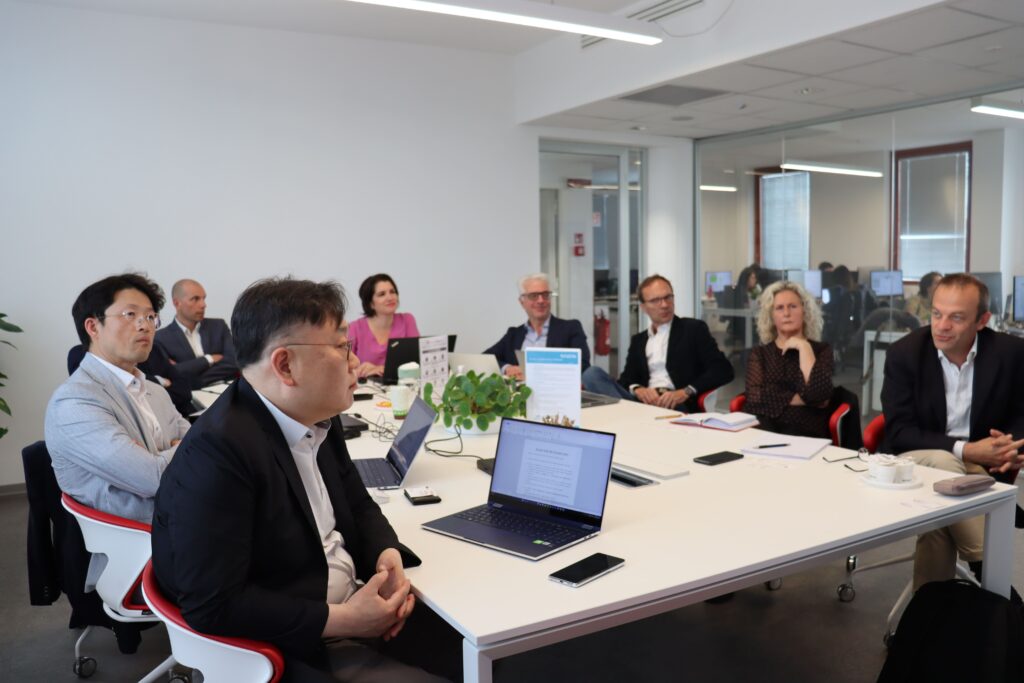
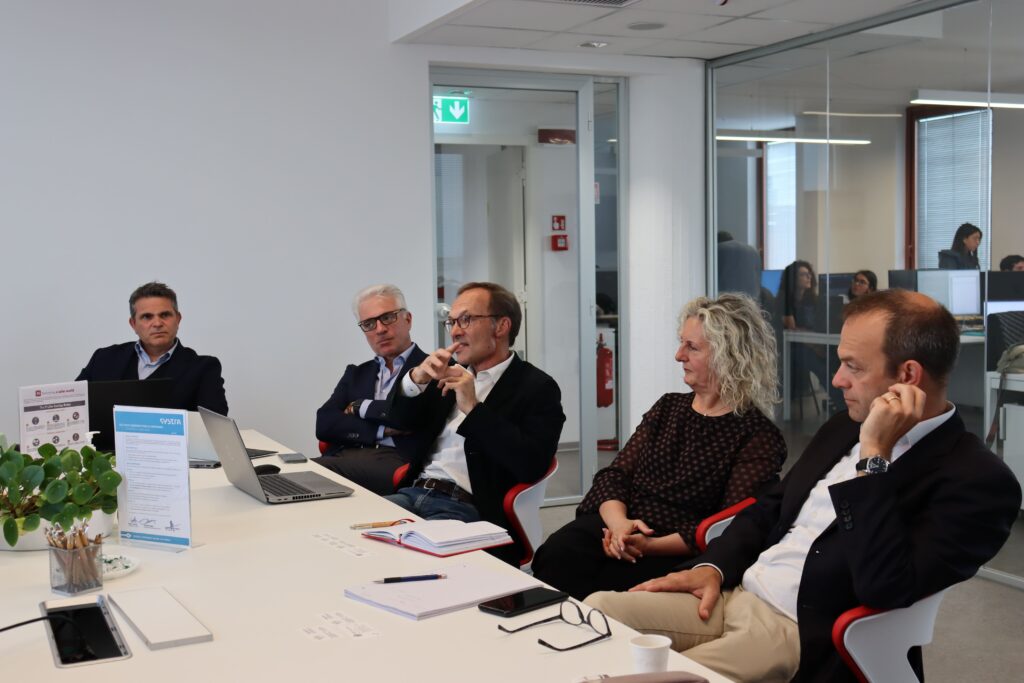
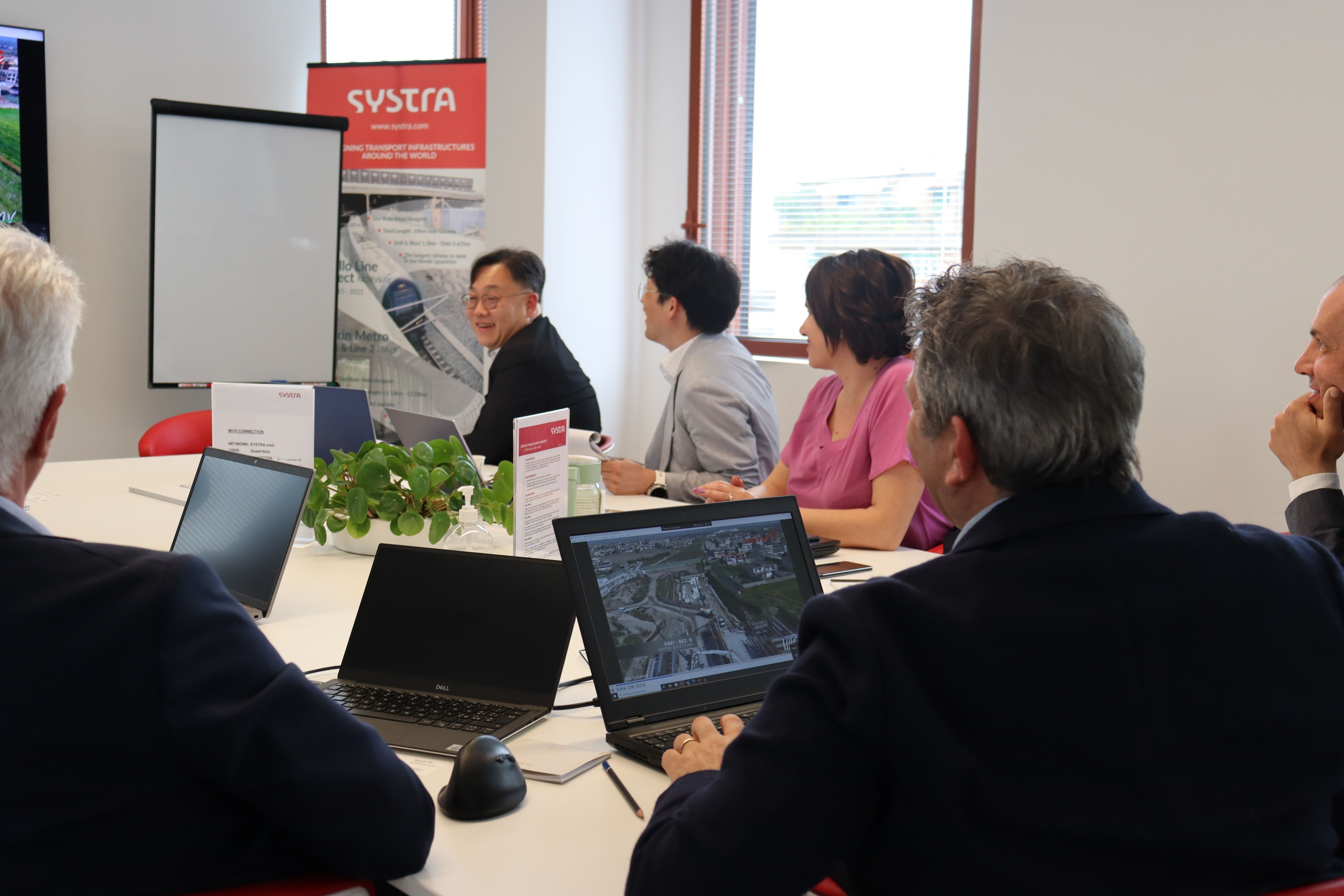
We had an interesting meeting, showing our latest high-speed rail projects with innovative solutions for the development of suburban transportation. After the meeting, we visited the Webuild NACAV construction site, which represents one of the largest railway projects in Italy.
SYSTRA is responsible for the Design and BIM Modelling of the Naples-Cancello section of the Naples-Bari HS/HC system.