 Arabie Saoudite
  Australie
  Brésil
  Canada
  Chine
Chine  Corée du Sud
  Danemark
  France
  Inde
Inde  Indonésie
  Irlande
  Italie
  Malaisie
  Norvège
  Nouvelle-Zélande
  Pologne
  Royaume-Uni
  Singapour
  Suède
Suède  Taïwan
  Thaïlande
  USA
USA  Vietnam


LA CONFIANCE TRANSPORTE
LE MONDE
La vision Systra


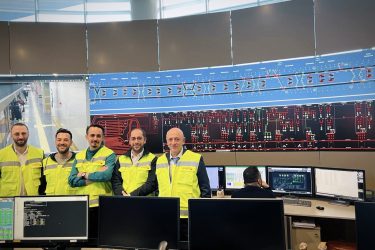
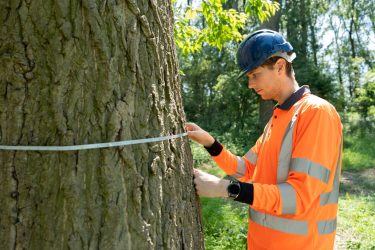

Nous sommes engagés pour une mobilité plus innovante et plus durable, et vous ?
 NOS ACTIVITÉS
SYSTRA accompagne ses partenaires et ses clients sur tous types de projets de transport, et sur l’ensemble de leur cycle
de vie.
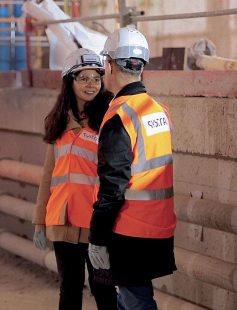 NOS PROJETS
Nous sommes fiers de nos projets, qui contribuent à fluidifier les déplacements et à rapprocher les populations partout dans le monde.
 NOS MÉTIERS
Nous déployons une large palette de métiers, incarnés par des collaborateurs passionnés.
 NOS CHIFFRES CLÉS
Visualisez la situation du Groupe en un clin d’œil !

Alessia, BIM Manager, France
J’ai le sentiment de faire partie d'une communauté qui voit loin. SYSTRA n’est pas un acteur passif de la transition numérique, il en est au contraire un catalyseur.
Guillaume, Transport Planner, Australie
J’ai l’opportunité de m’investir sur des projets qui me tiennent à cœur puisqu’ils aident nos collectivités à répondre aux enjeux climatiques actuels.
Nous avons la chance d’exercer depuis plus de 60 ans un métier qui a du sens par lui-même : concevoir et construire des solutions de mobilité pour tous.
La mobilité interne se reflète dans le programme de mobilité internationale de SYSTRA, qui m’a donné l’occasion de m’installer au Royaume-Uni, pour travailler sur HS2.
La particularité de SYSTRA est de lier l’identité technique des projets à une démarche de conception durable.
Relever des défis quotidiens qui se transforment en expérience, tout en ayant des opportunités de mobilité.